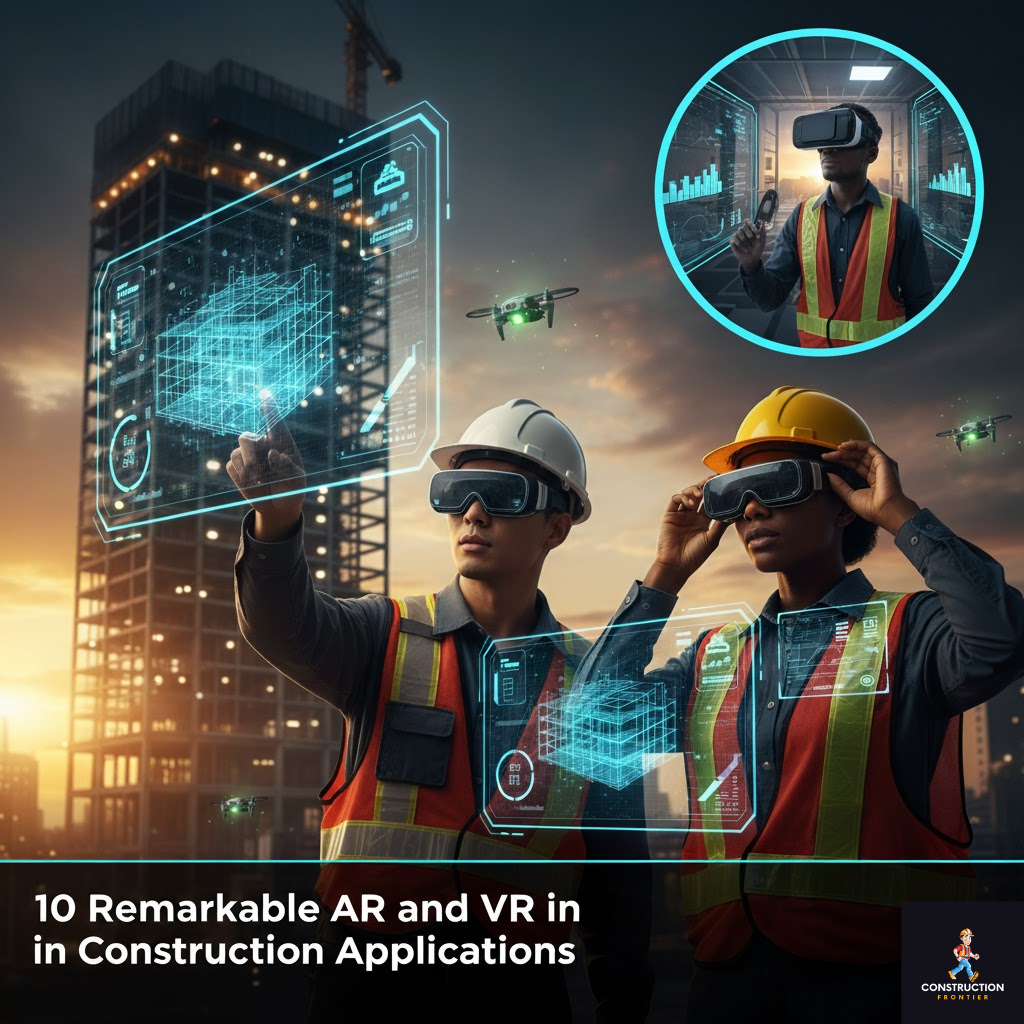
10 Remarkable AR and VR in Construction Applications Revolutionising Training and Site Walkthroughs
From immersive site simulations to precision-guided installations, AR and VR in construction are no longer futuristic experiments; they are now essential digital tools elevating training, safety, and decision-making across project lifecycles.
Introduction: The Digital Leap Transforming Construction
The global adoption of AR and VR in construction is accelerating faster than ever, driven by the industry’s need for better training tools, safer workflows, and real-time visualisation of complex projects. Once considered experimental technologies, augmented reality construction tools and virtual reality construction training systems have evolved into mainstream solutions used by contractors, consultants, and developers worldwide.
Today’s leading firms utilise immersive construction technology to simulate hazardous environments, review 3D models on-site, guide installations with millimetre accuracy, and train workers without the risks associated with real-world construction environments. These innovative technologies in modern construction projects offer new opportunities for collaboration, reduce errors, accelerate project delivery, and prevent costly rework.
This article explores 10 remarkable AR and VR applications in construction, transforming training and site walkthroughs, drawing insights from emerging technologies, industry adoption trends, and the tools reshaping Africa’s and the world’s construction future.
How AR and VR Are Transforming Construction Training and Site Walkthroughs
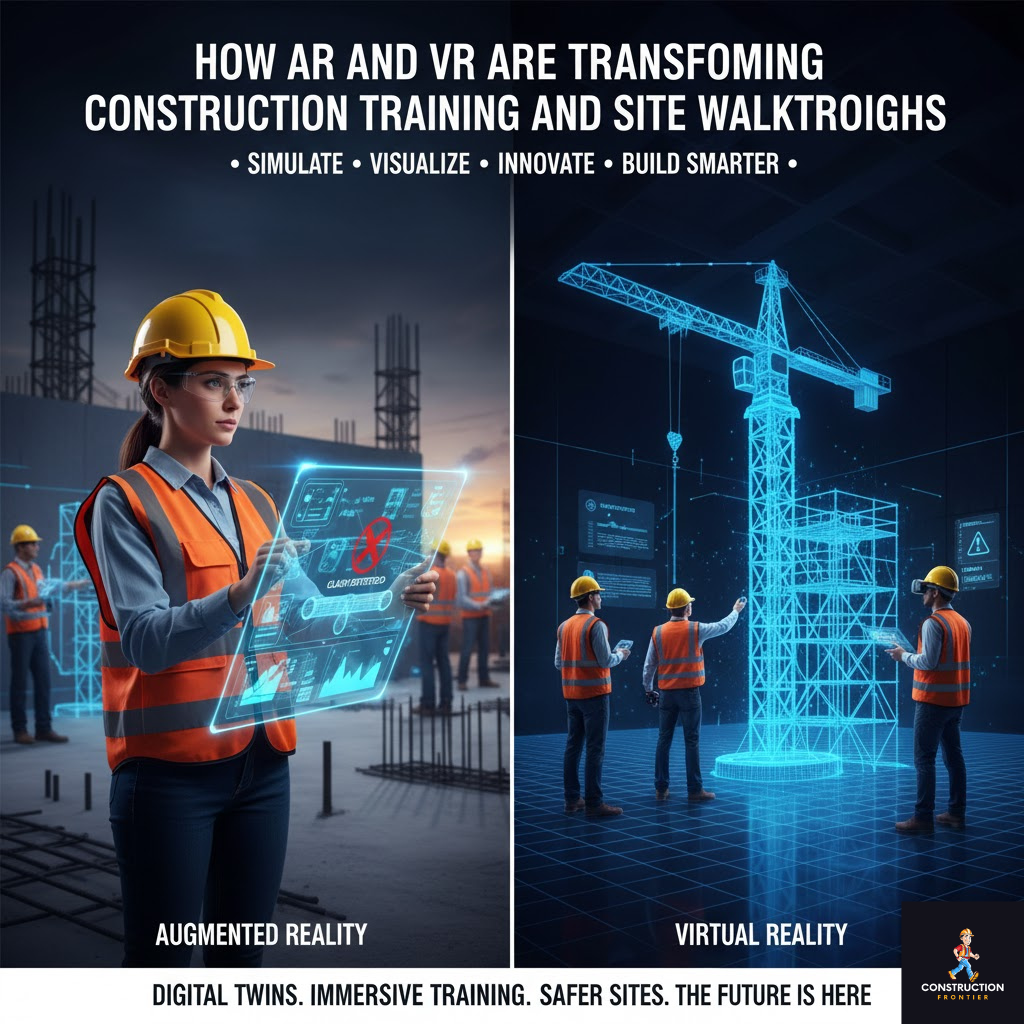
Augmented reality (AR) and virtual reality (VR) are revolutionising construction workflows by enabling immersive new construction technology that improves cutting costs for builders, safety, efficiency, and collaboration. These digital construction tools allow teams to simulate complex scenarios, conduct virtual site walkthroughs, and make data-driven decisions before breaking ground. Contractors, engineers, and project stakeholders are leveraging AR and VR to enhance training, reduce errors, and optimise project outcomes. Below are ten key applications reshaping the construction industry.
Augmented Reality (AR) Applications in Construction
Augmented Reality (AR) is reshaping how construction teams plan, build, and inspect projects by overlaying digital information onto the physical site. It helps contractors detect issues earlier, improve on-site accuracy, and make better decisions in real time.
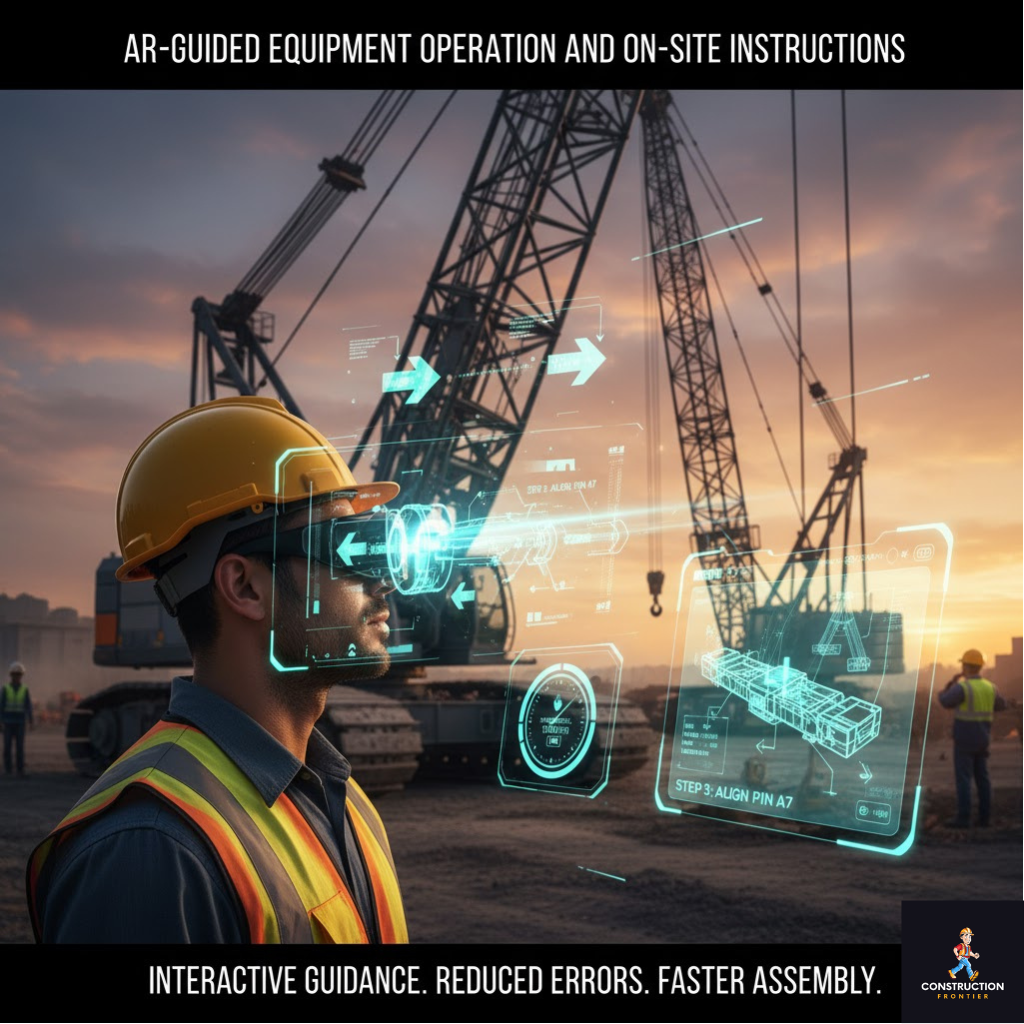
1. AR-Guided Equipment Operation and On-Site Instructions
Augmented reality construction applications overlay real-time, step-by-step instructions onto physical equipment, helping workers operate machinery safely and accurately. Smart glasses or tablets provide interactive guidance, 3D diagrams, and sensor data directly on-site.
Benefits:
- Reduces operational errors and rework.
- Accelerates the onboarding of new employees.
- Integrates seamlessly with IoT sensors for real-time performance feedback.
Example: Field technicians using AR for crane assembly or pipeline installation can see live instructions overlaid on the equipment, improving precision and reducing delays.
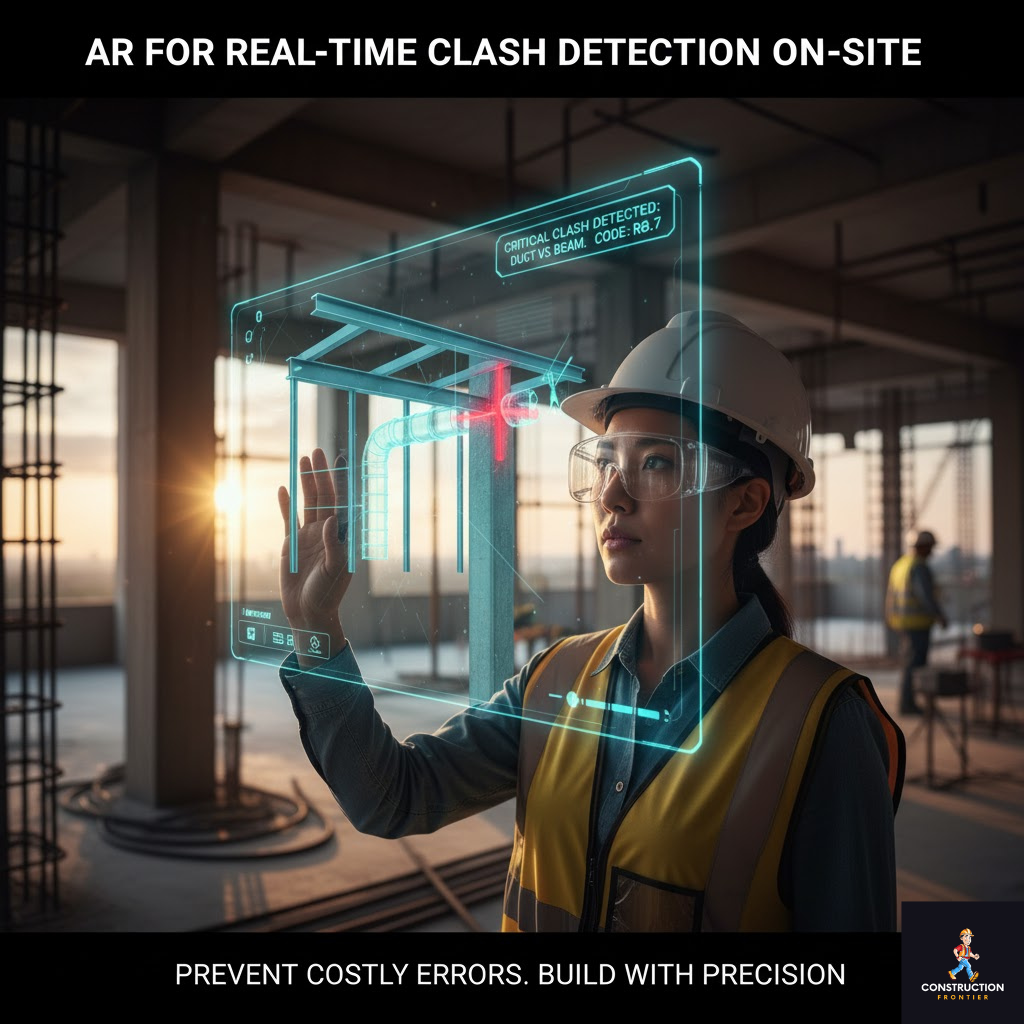
2. AR for Real-Time Clash Detection On-Site
By projecting BIM models onto the physical environment, AR allows engineers to identify clashes between architectural, structural, and MEP systems instantly.
 Benefits:
- Eliminates costly post-construction fixes.
- Ensures seamless coordination across disciplines.
- Enhances accuracy in complex builds and large-scale projects.
Example: A site engineer can use AR glasses to detect a duct intersecting with a structural beam before concrete pouring, preventing expensive remediation.
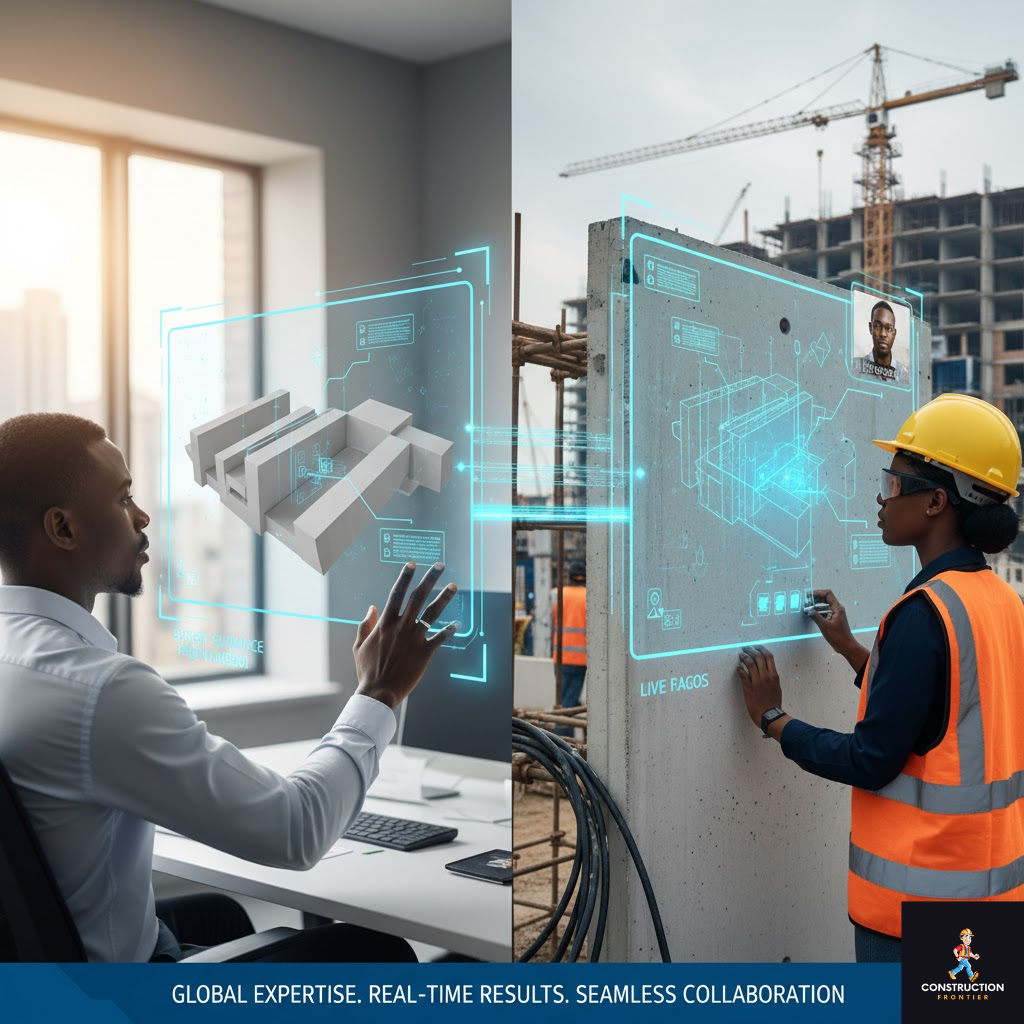
3. AR for Remote Project Support and Expert Collaboration
AR enables experts to guide on-site personnel remotely, viewing the environment and providing real-time instructions.
Benefits:
- Reduces travel costs and project downtime.
- Facilitates knowledge sharing across geographies.
- Strengthens cross-team collaboration.
Example: A structural engineer in Nairobi, Kenya, can direct a technician in Lagos, Nigeria, to correctly install a precast panel using AR video overlays.
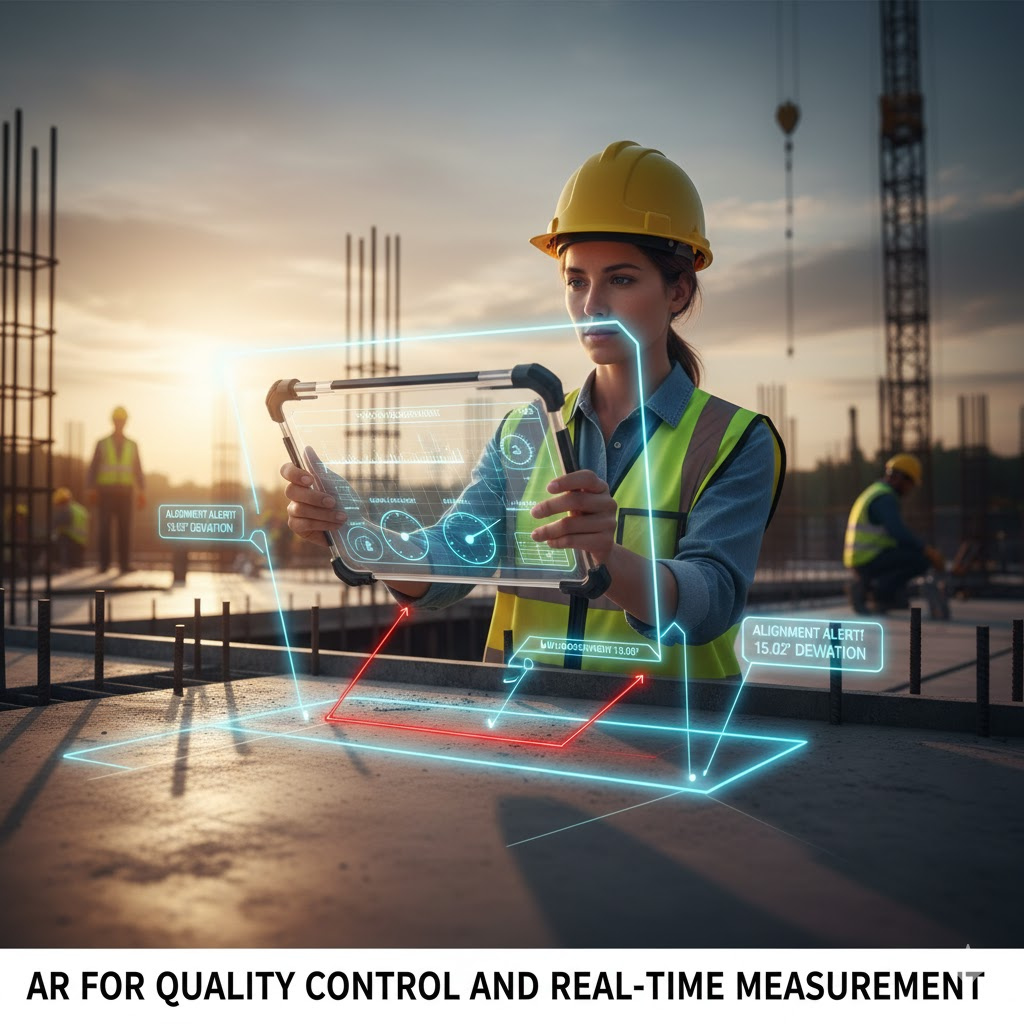
4. AR for Quality Control and Real-Time Measurement
AR overlays digital specifications onto physical structures, allowing supervisors to check measurements, alignment, and craftsmanship instantly.
Benefits:
- Ensures adherence to design standards.
- Reduces material wastage.
- Speeds up inspections and reporting.
Example: Inspectors can verify floor alignment or beam positions against BIM models directly on-site using AR-enabled devices.
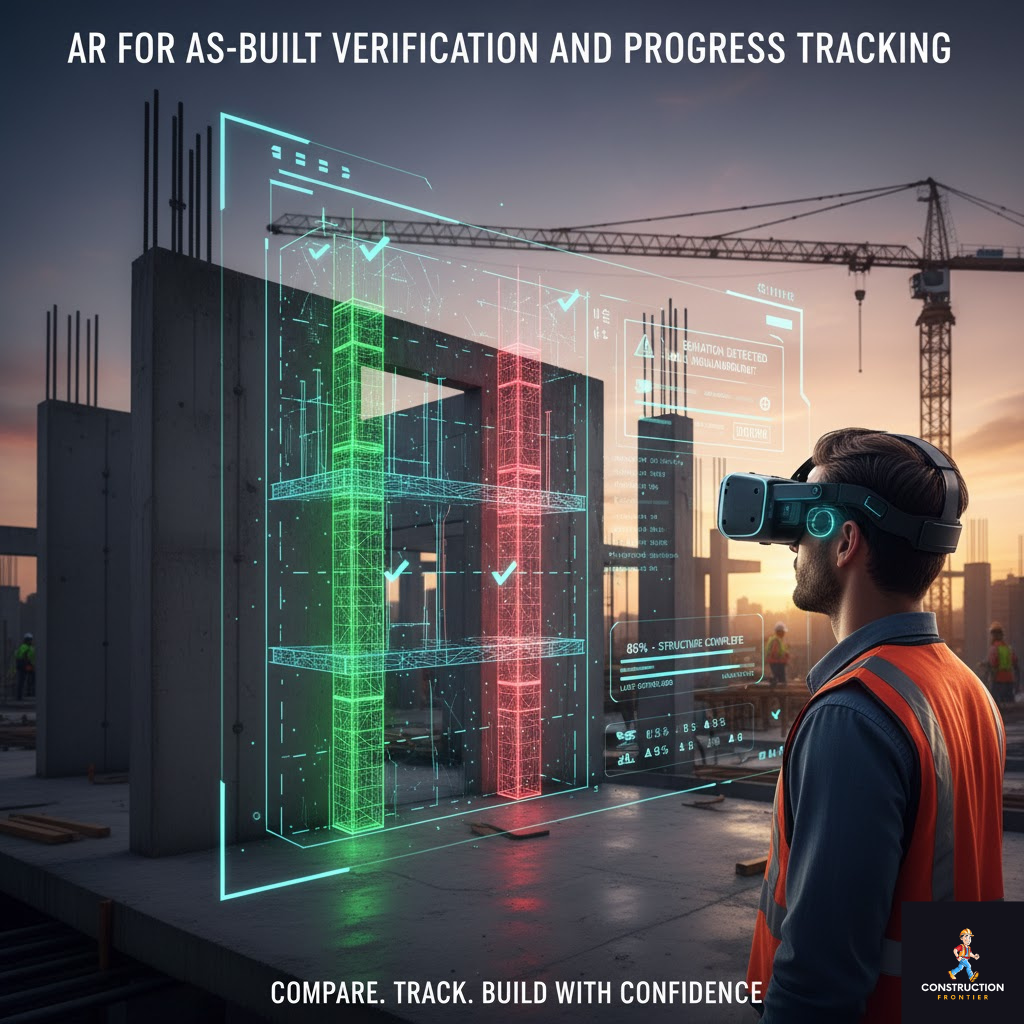
5. AR for As-Built Verification and Progress Tracking
AR allows teams to compare the actual construction site with planned BIM models, tracking progress in real time.
Benefits:
- Early detection of deviations from design.
- Streamlined progress reporting and documentation.
- Supports data-driven decision-making for project managers.
Example: A contractor can overlay a 3D model on-site to ensure that columns and walls match the intended specifications before proceeding to the next phase.
Virtual Reality (VR) Applications in Construction
Virtual Reality (VR) allows teams to step inside a project before construction begins, offering a fully immersive way to train workers and review site conditions safely. It enhances preparation, boosts safety performance, and streamlines communication across project stakeholders.
1. VR for Construction Training Simulations
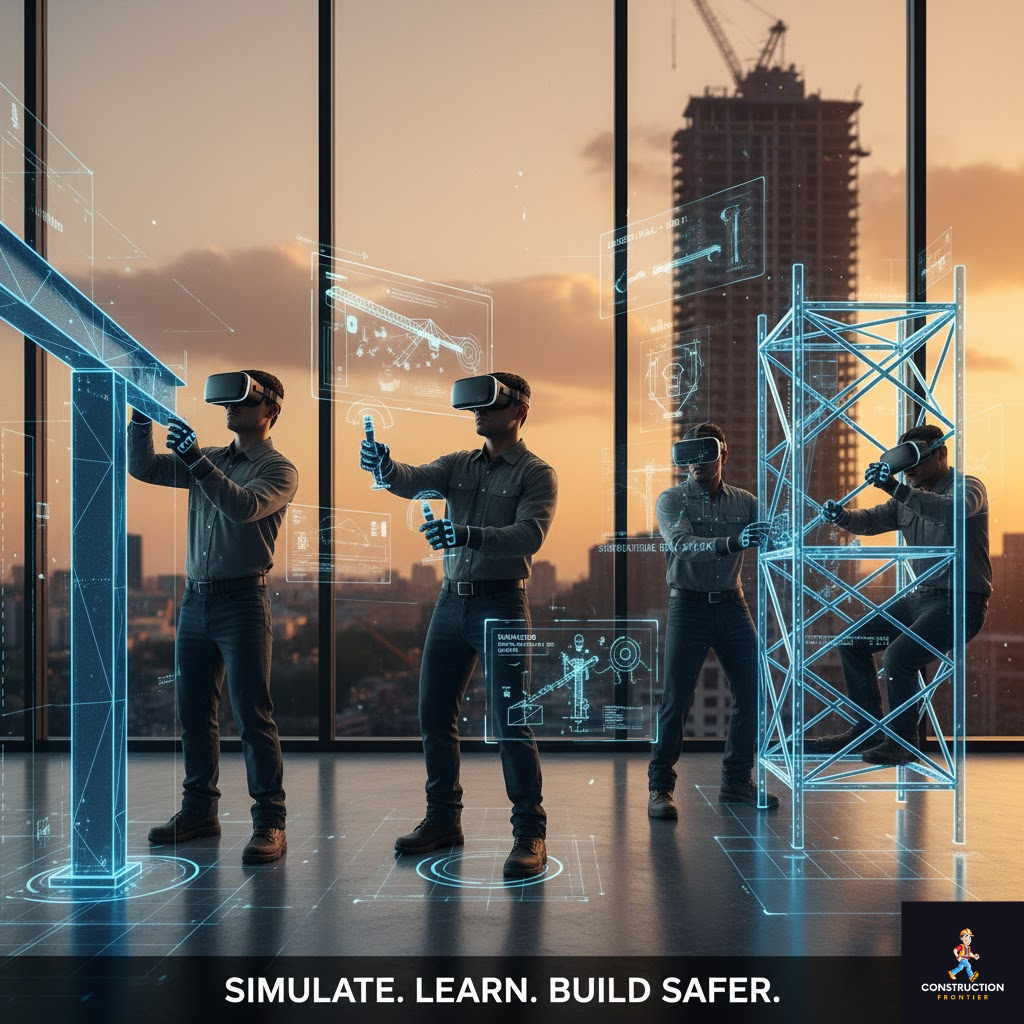
Virtual reality construction training immerses workers in realistic scenarios to practise tasks such as working at heights, crane operation, and scaffolding navigation.
Benefits:
- Enhances muscle memory and situational awareness.
- Reduces on-site accidents.
- Improves worker readiness for complex environments.
Example: Trainees can virtually navigate a high-rise site or heavy equipment operations without exposure to real-world hazards.
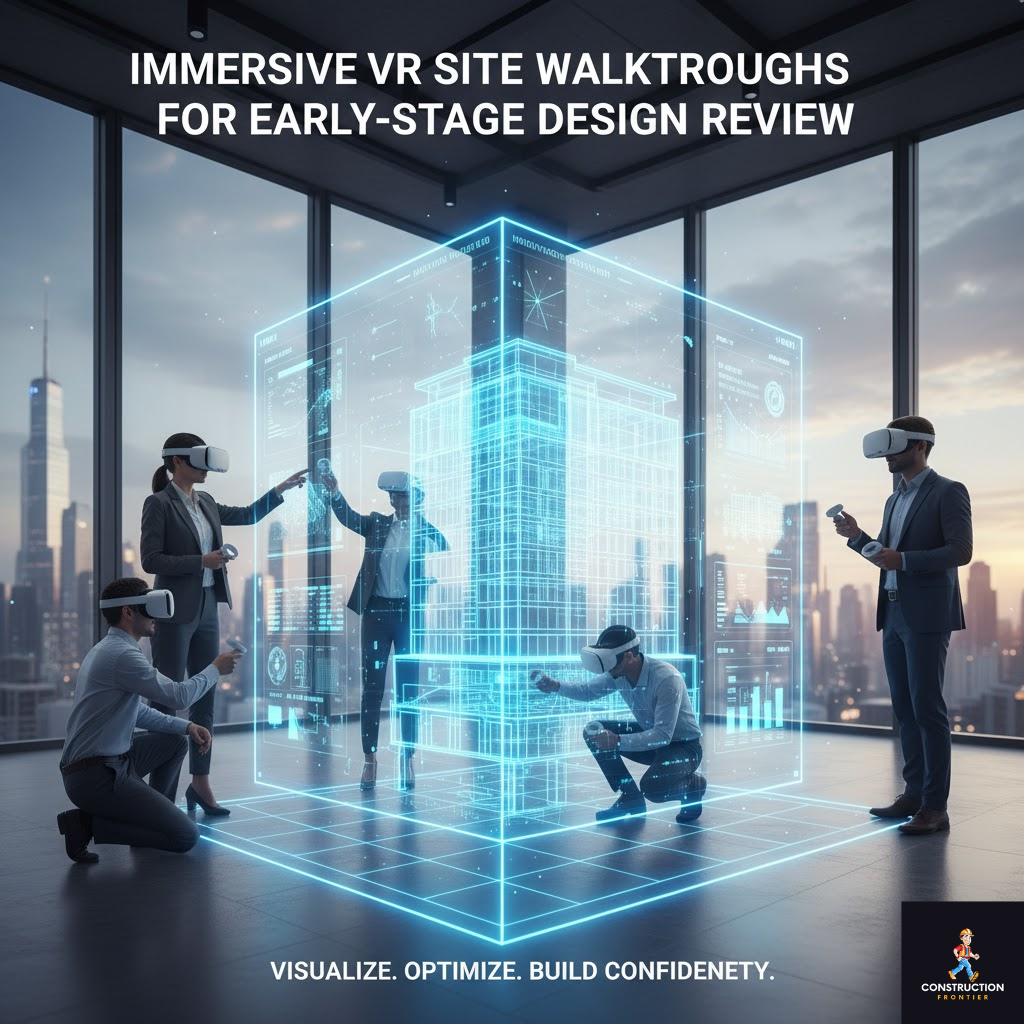
2. Immersive VR Site Walkthroughs for Early-Stage Design Review
VR enables stakeholders to walk through digital replicas of buildings before construction, improving construction site visualisation.
Benefits:
- Identifies design flaws early.
- Optimises layouts and spatial planning.
- Enhances client communication and approvals.
Example: Developers can experience lobby flow, room layouts, and lighting effects virtually to make informed decisions.
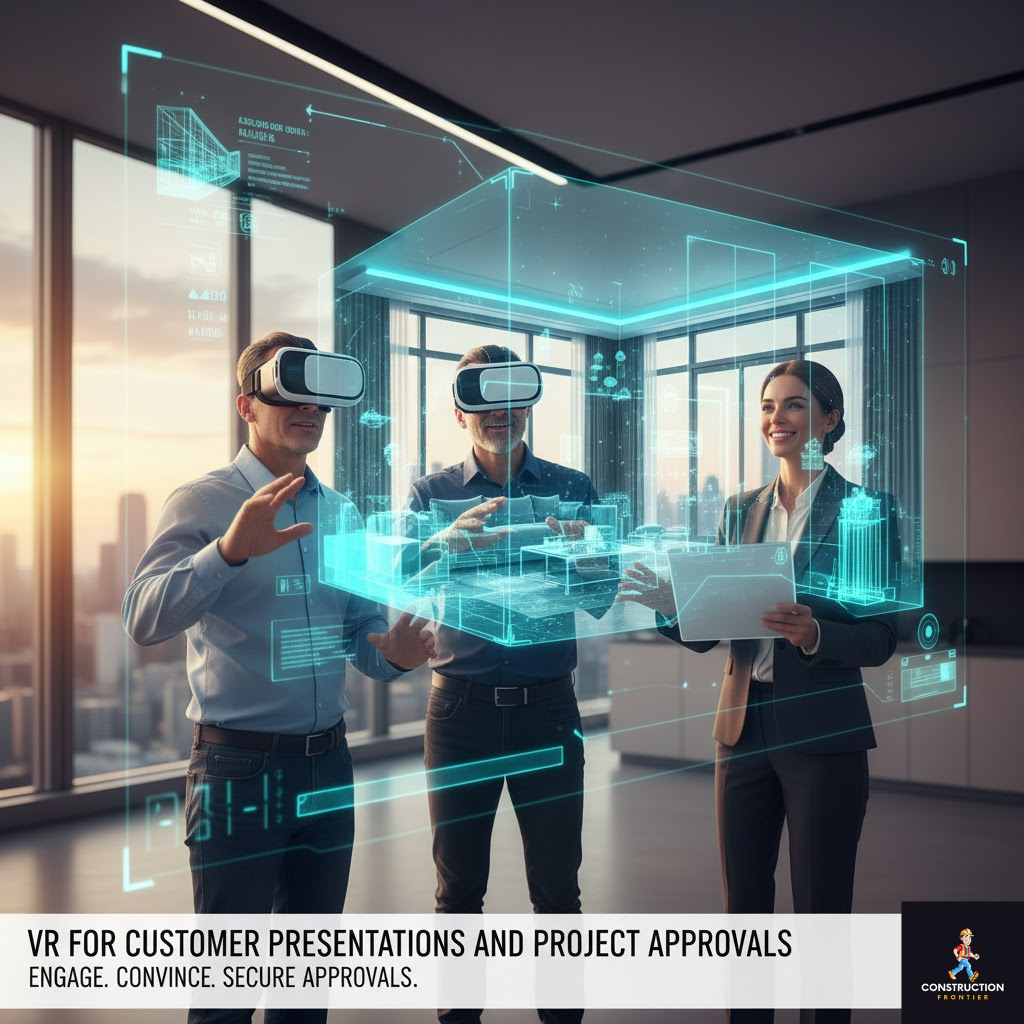
3. VR for Customer Presentations and Project Approvals
By using VR, clients can experience immersive project previews, improving engagement and confidence in design.
Benefits:
- Reduces miscommunication and design misunderstandings.
- Accelerates approval cycles.
- Enhances stakeholder collaboration.
Example: VR walkthroughs allow realtors to demonstrate residential or commercial spaces before construction, helping secure early sales or approvals.
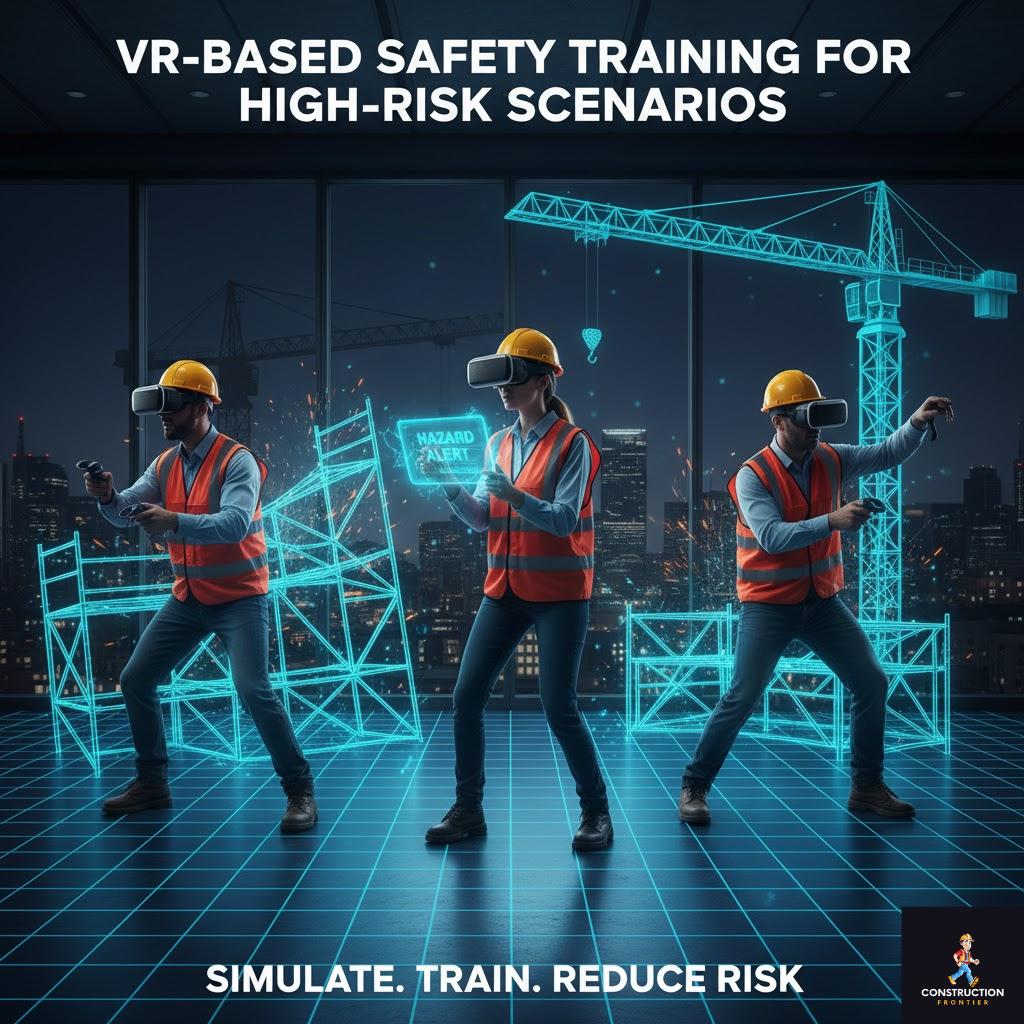
4. VR-Based Safety Training for High-Risk Scenarios
VR simulations create risk-free environments for practising emergency response and hazardous operations.
Benefits:
- Prepares workers for accidents, fires, and equipment failures.
- Reinforces adherence to safety protocols.
- Reduces injury rates on actual sites.
Example: Workers simulate scaffold collapses or crane malfunctions to train proper response procedures safely.
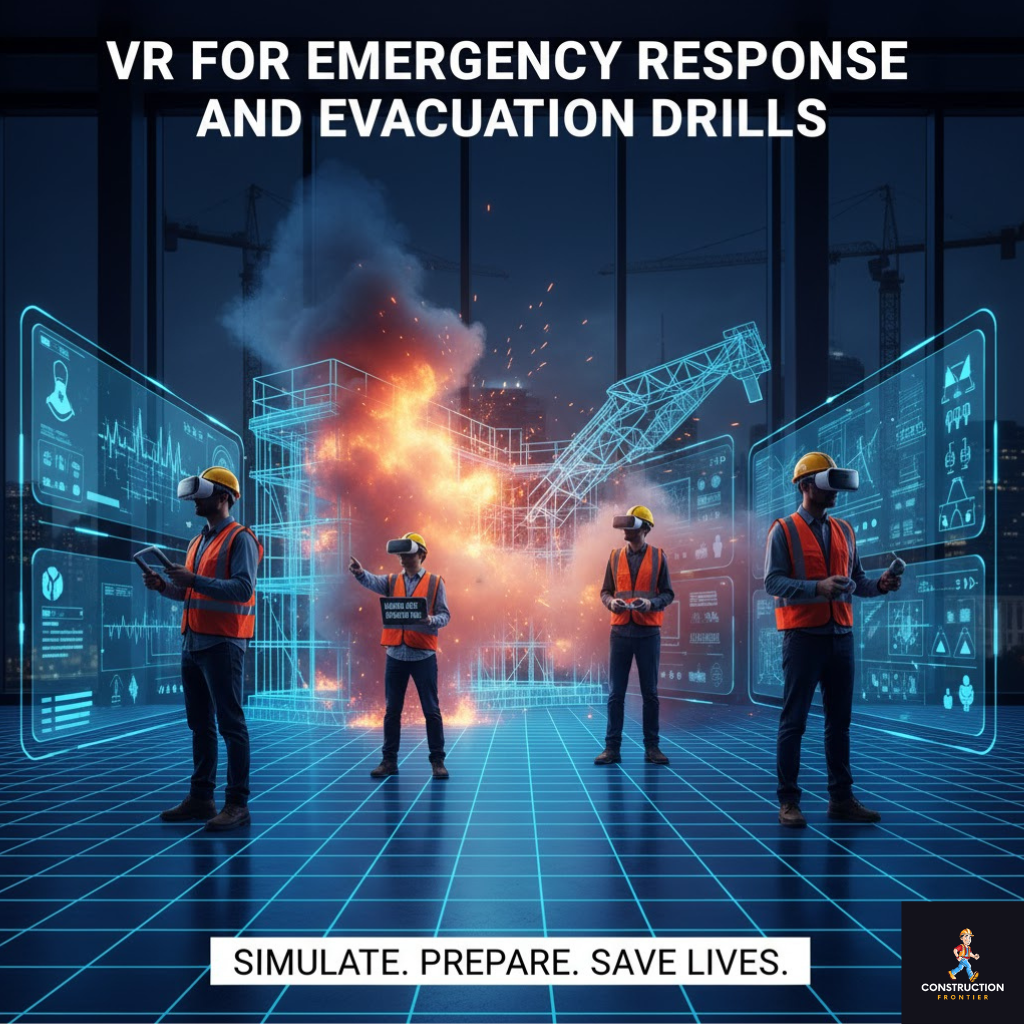
5. VR for Emergency Response and Evacuation Drills
VR supports disaster preparedness by simulating fire, structural failure, or equipment malfunction scenarios.
Benefits:
- Enhances emergency readiness.
- Improves response time and coordination.
- Reduces potential injuries during real events.
Example: A construction crew can practise evacuating multi-story sites under simulated smoke and fire conditions, preparing them for real emergencies.
Benefits of AR and VR in Construction
AR and VR technologies are revolutionising construction by improving efficiency, collaboration, and safety. Their integration into digital construction tools, combined with the application of AI in civil engineering, offers measurable advantages that can transform project delivery and outcomes.
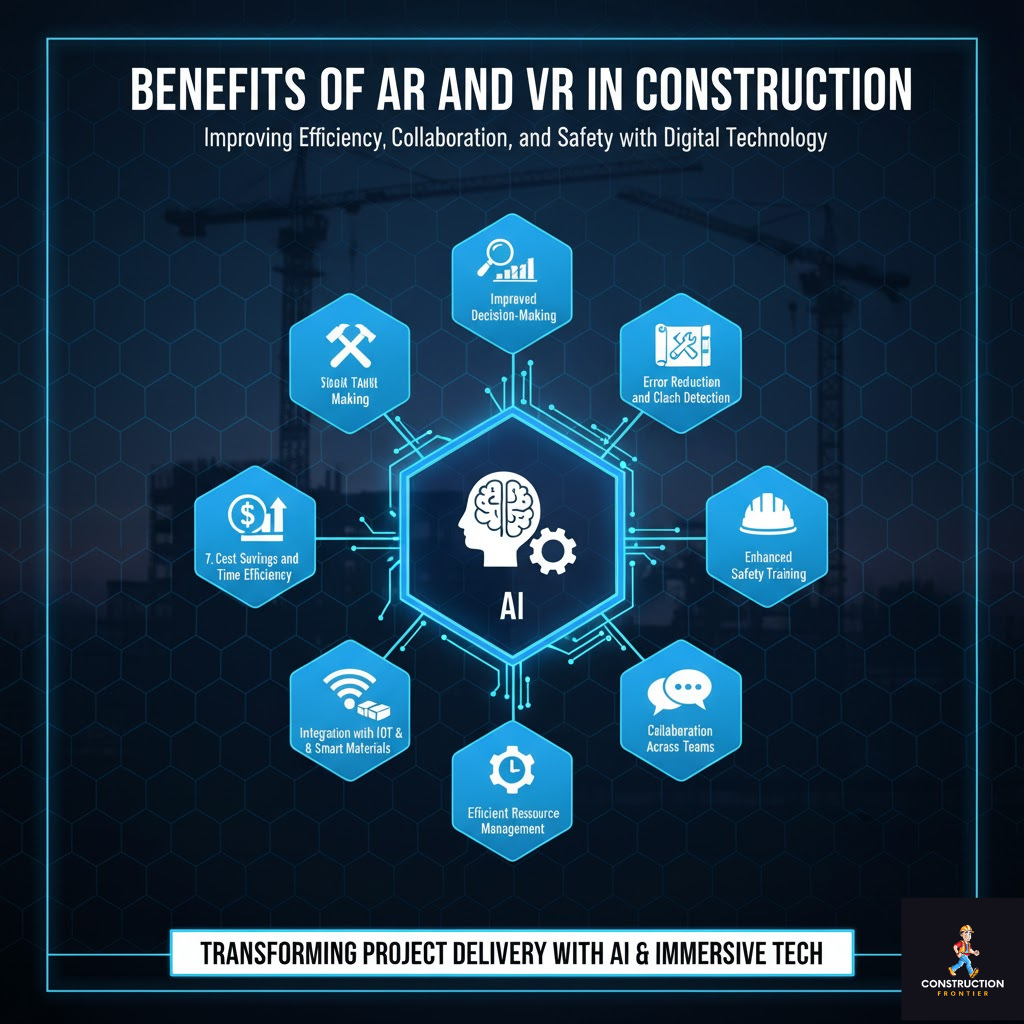
1. Improved Decision-Making:
- AR overlays allow stakeholders to see design modifications directly on-site, bridging the gap between plans and reality.
- VR simulations create immersive walkthroughs of buildings and infrastructure before construction begins, enabling proactive adjustments.
- By visualising changes early, project managers reduce uncertainty, accelerate design validation, and make faster, more informed decisions.
- Integrates with construction site visualisation tools and collaboration software for enhanced planning accuracy.
2. Error Reduction and Clash Detection
- AR detects misalignments and structural clashes that may not be obvious in 2D plans or drawings.
- VR allows teams to simulate entire construction sequences, identifying potential workflow conflicts or material handling issues before breaking ground.
- Minimises costly rework, reduces downtime, and improves overall project quality.
- Supports digital simulation tools for construction projects, reducing human error in planning and execution.
3. Enhanced Safety Training
- VR safety simulations immerse workers in hazardous scenarios like scaffolding failures or confined space hazards without risk.
- AR overlays provide real-time guidance during on-site operations, such as hazard zones, equipment usage instructions, or emergency exits.
- Enhances adherence to safety protocols, reduces accidents, and fosters a culture of proactive safety compliance.
- Aligns with immersive tech, technologies improving construction safety initiatives across sites.
4. Collaboration Across Teams
- Shared VR environments allow architects, engineers, and contractors to meet virtually and review designs collectively.
- AR enables on-site collaboration, allowing remote teams to mark plans, suggest changes, and approve modifications in real-time.
- Improves communication efficiency, reduces misinterpretation, and strengthens cross-team coordination.
- Integrates seamlessly with augmented reality construction workflows to streamline project communication.
5. Efficient Resource Management
- Virtual modelling provides accurate planning for the human resources, material allocation, and equipment usage.
- Enables predictive logistics, reducing material waste and optimising procurement schedules.
- Helps contractors balance cost and efficiency while maintaining project timelines.
6. Integration with IoT and Smart Construction Materials
- AR/VR can connect with smart sensors in concrete or other IoT monitoring devices, offering real-time insights into structural health and the concrete curing process.
- Facilitates data-driven decisions for durability, load management, and construction sequencing.
- Enhances overall project oversight, combining digital construction tools with real-time structural performance monitoring.
7. Cost Savings and Time Efficiency
- Early detection of design or structural issues through VR reduces costly on-site fixes.
- Virtual testing of materials, processes, and workflows shortens project cycles while maintaining quality.
- Reduces financial risk and improves return on investment for developers and contractors.
Challenges of Implementing AR and VR in Construction
Despite the advantages, integrating AR and VR in construction comes with practical and technical challenges that need careful planning.
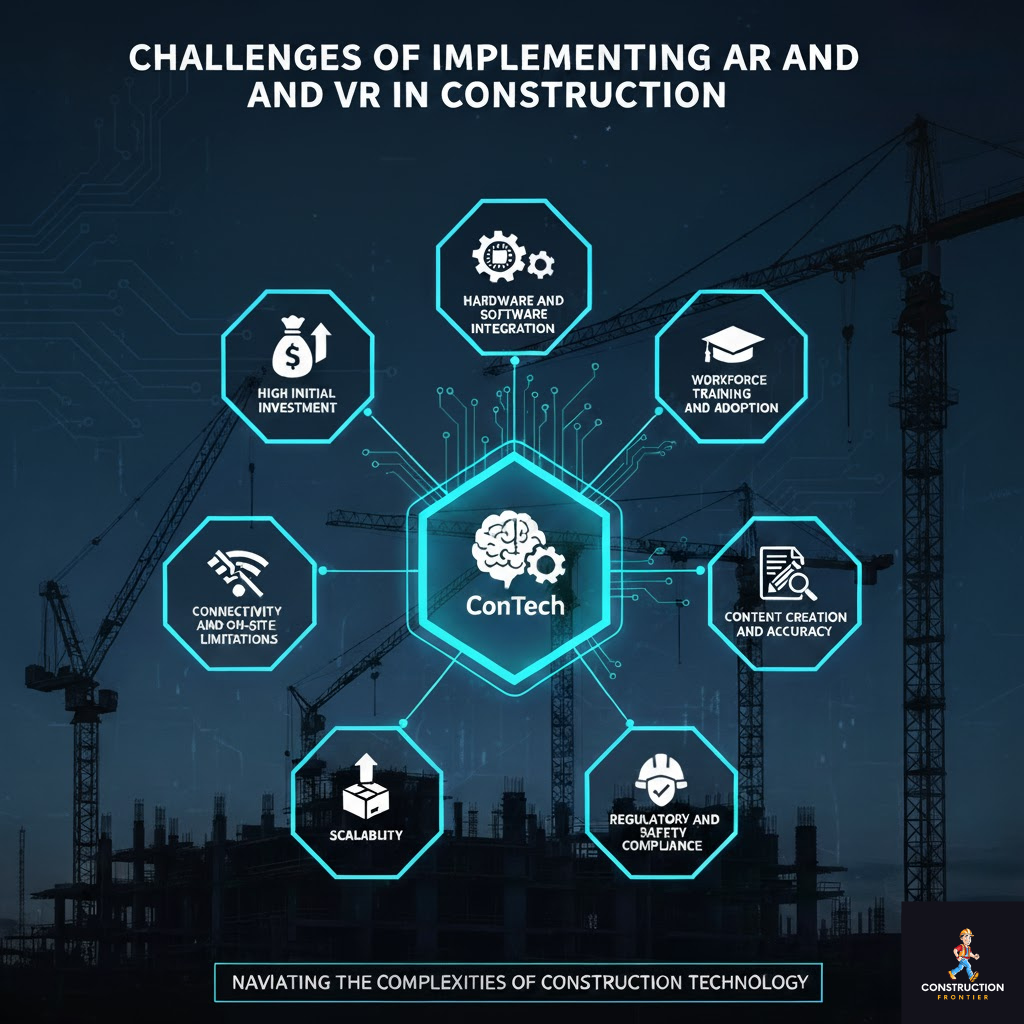
1. High Initial Investment
- Procuring advanced VR headsets, AR devices, and software licenses involves significant capital.
- Smaller firms may struggle to justify the upfront costs, creating a barrier to adoption.
2. Hardware and Software Integration
- AR/VR tools may face compatibility issues with existing BIM systems or project management software.
- Continuous updates and maintenance are required, increasing operational overhead.
3. Workforce Training and Adoption
- Workers and managers need specialised training to use AR/VR tools effectively.
- Resistance from experienced staff or reluctance to adopt new technology can slow integration.
- Ongoing support and workshops are crucial for ensuring seamless adoption.
4. Connectivity and On-Site Limitations
- Large or remote construction sites may suffer from poor network connectivity, affecting real-time AR overlays.
- VR simulations require high-performance computing and reliable internet for smooth performance, which may be challenging in developing regions.
5. Content Creation and Accuracy
- Developing detailed 3D models for VR/AR is resource-intensive and requires skilled personnel.
- Inaccurate or incomplete models can lead to misinterpretation, design conflicts, and mistakes on-site.
6. Scalability
- Rolling out AR/VR across multiple projects requires careful planning, pilot testing, and phased implementation.
- Ensuring consistency in standards, training, and device usage is essential for large-scale adoption.
7. Regulatory and Safety Compliance
- Ensuring VR/AR solutions meet construction safety regulations and data protection standards is mandatory.
- Companies must integrate compliance checks into digital workflows to avoid legal or operational risks.
Conclusion: Why AR and VR Are Transforming Construction
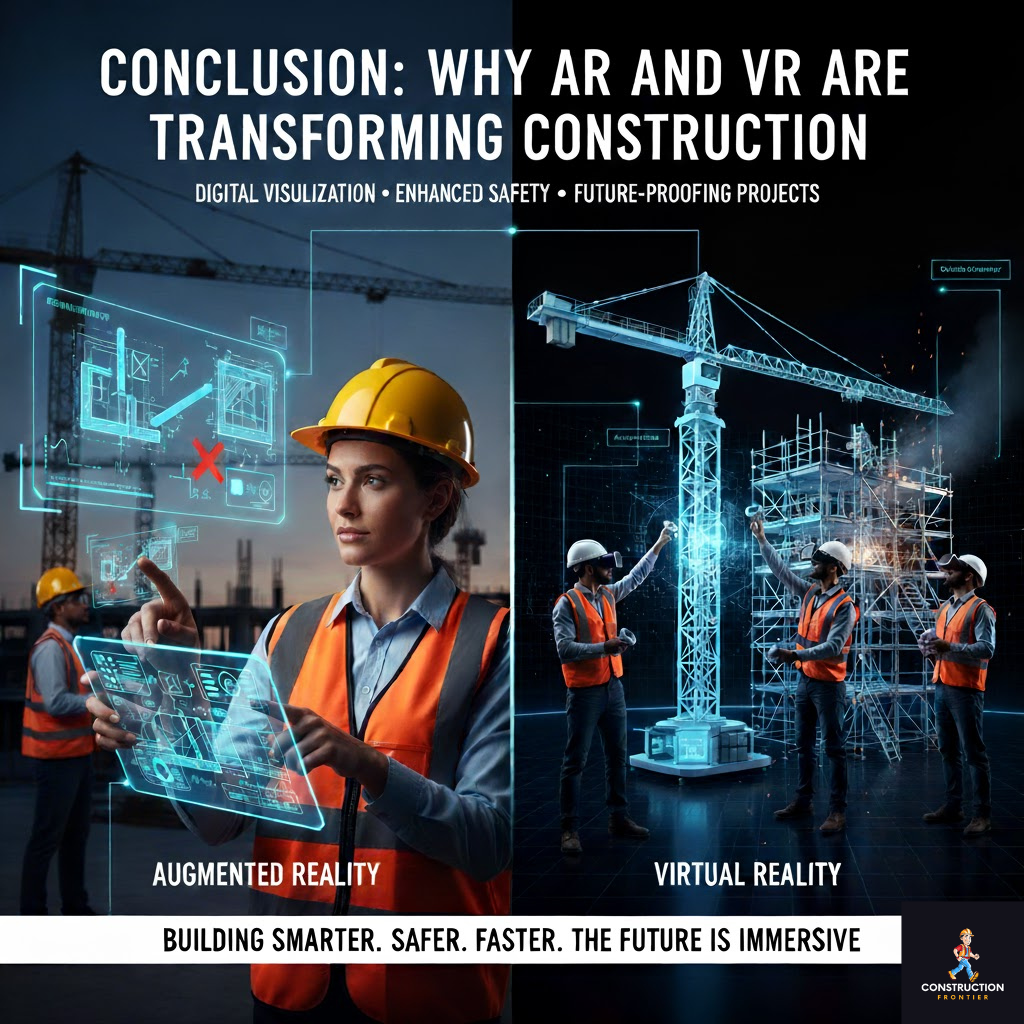
AR and VR technologies in construction are revolutionising the way projects are designed, managed, and executed. Augmented reality construction tools allow teams to overlay digital designs onto real-world sites, enabling precise planning, clash detection, and immersive site walkthroughs. Virtual reality construction training, on the other hand, provides safe, realistic simulations for workers to practise procedures, understand complex project layouts, and anticipate potential hazards before stepping on site. Together, these digital construction tools enhance efficiency, reduce errors, and foster collaboration across project stakeholders.
The adoption of immersive construction technology offers measurable benefits, from improved safety performance to faster project delivery and higher-quality outcomes. Construction firms leveraging AR and VR gain a competitive edge by streamlining communication, improving design accuracy, and reducing costly rework. As the construction industry embraces digital simulation tools, forward-thinking companies are setting new standards in site visualisation, operational safety, and project innovation, demonstrating that immersive technologies are now essential, not optional, in modern construction workflows.
CTA: Unlock the Power of Immersive Construction Technology
Stay ahead in the construction industry by leveraging AR and VR in construction. From immersive training programs to realistic site walkthroughs, these technologies help contractors, engineers, and project managers improve efficiency, safety, and decision-making. Learn more about cutting-edge digital construction tools at ConstructionFrontier.com and start transforming your projects today.