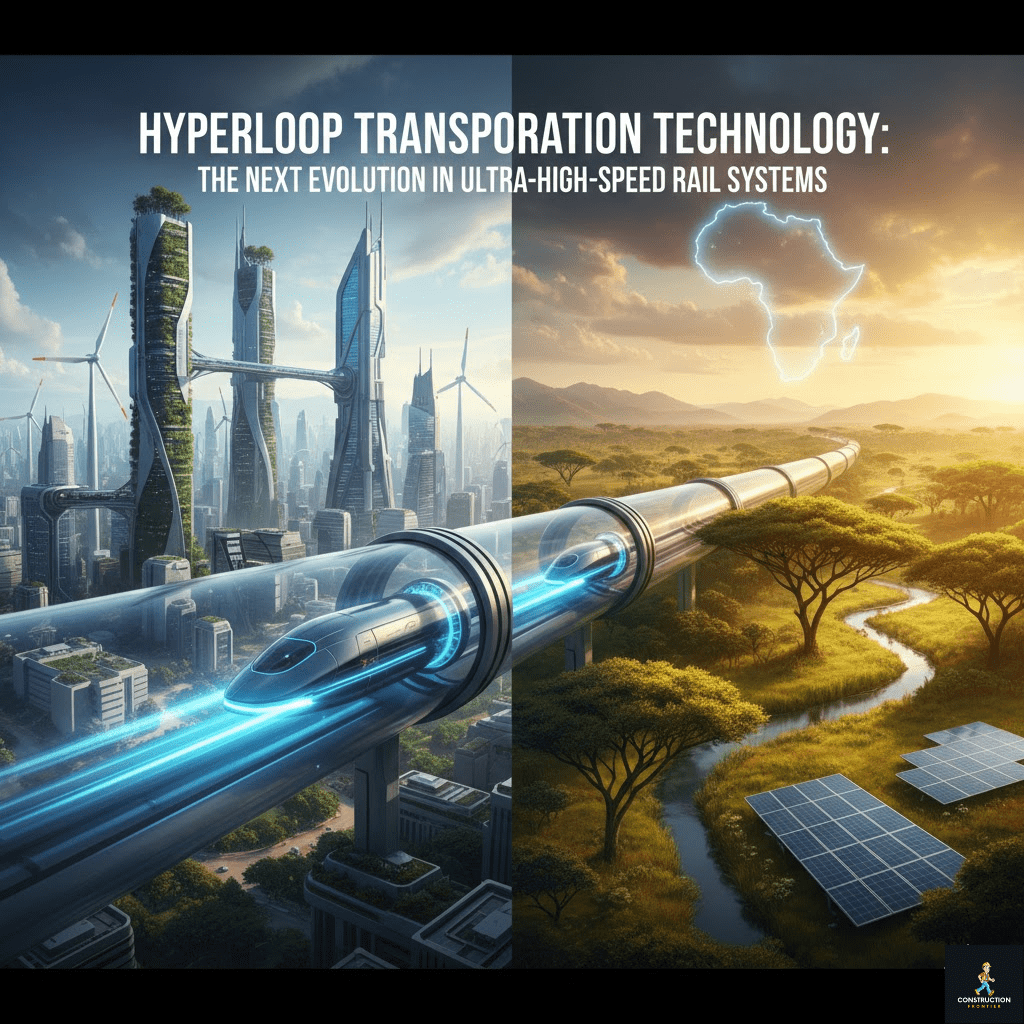
Hyperloop Transportation Technology: The Next Evolution in Ultra-High-Speed Rail Systems
Hyperloop transportation technology is redefining what future high-speed transport could look like. By combining low-pressure tube infrastructure, magnetic levitation, and advanced automation, it promises faster travel, lower emissions, and the creation of new economic corridors. As congestion, climate goals, and urbanisation strain existing transport systems, this article explains how hyperloop works, its advantages and limitations, infrastructure needs, real-world projects, and what the future may hold globally and in Africa.
Introduction: Why Hyperloop Is Reshaping the Future of Transportation
Moving people and goods efficiently has become one of the defining challenges of the 21st century. Rapid urbanisation, expanding metropolitan regions, and globalised supply chains are placing unprecedented pressure on highways, airports, and rail networks. Even advanced high-speed rail systems face limitations in terms of speed, land use, and capital costs. Aviation remains fast but energy-intensive, congested, and increasingly scrutinised for its environmental impact.
Against this backdrop, hyperloop transportation technology has emerged as a radical alternative within future high-speed transport thinking. By reimagining rail travel through near-vacuum environments and digitally controlled systems, Hyperloop proposes a step-change rather than an incremental upgrade. While still in development, the concept has captured the attention of governments, engineers, and investors worldwide. This article offers a fact-based, engineering-informed guide to how hyperloop transportation systems operate, their benefits, challenges, infrastructure requirements, and long-term implications for global mobility.
What Is Hyperloop Transportation Technology?
Hyperloop transportation technology is an ultra-high-speed transport concept in which passenger or cargo pods travel through sealed, low-pressure tubes using magnetic levitation and electric propulsion, significantly reducing friction and energy losses.
At its core, hyperloop technology combines principles from rail engineering, aerospace design, and automation. Instead of steel wheels rolling on tracks, pods are levitated and propelled inside a controlled tube environment where air resistance is dramatically reduced. This allows speeds that far exceed those of conventional rail and approach those of short-haul aviation.
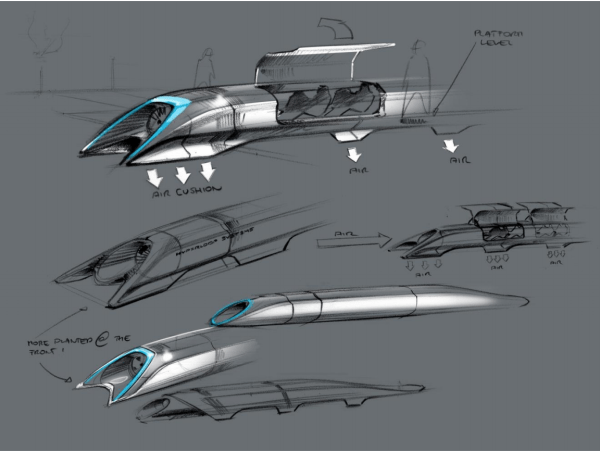
The idea gained mainstream attention in 2013 when Elon Musk released the Hyperloop Alpha white paper (as shown above) outlining a theoretical route from Los Angeles to San Francisco. However, the history of hyperloop transportation development dates back further, with vacuum train concepts explored by engineers as early as the 1900s. What distinguishes modern hyperloop transportation engineering is the convergence of digital control systems, advanced materials, and renewable energy integration.
Unlike traditional rail, hyperloop transportation systems require entirely new infrastructure, regulatory frameworks, and operational models. As a result, they are best understood not as upgraded trains, but as a new transport category within future high-speed transport planning.
How Hyperloop Transportation Systems Work
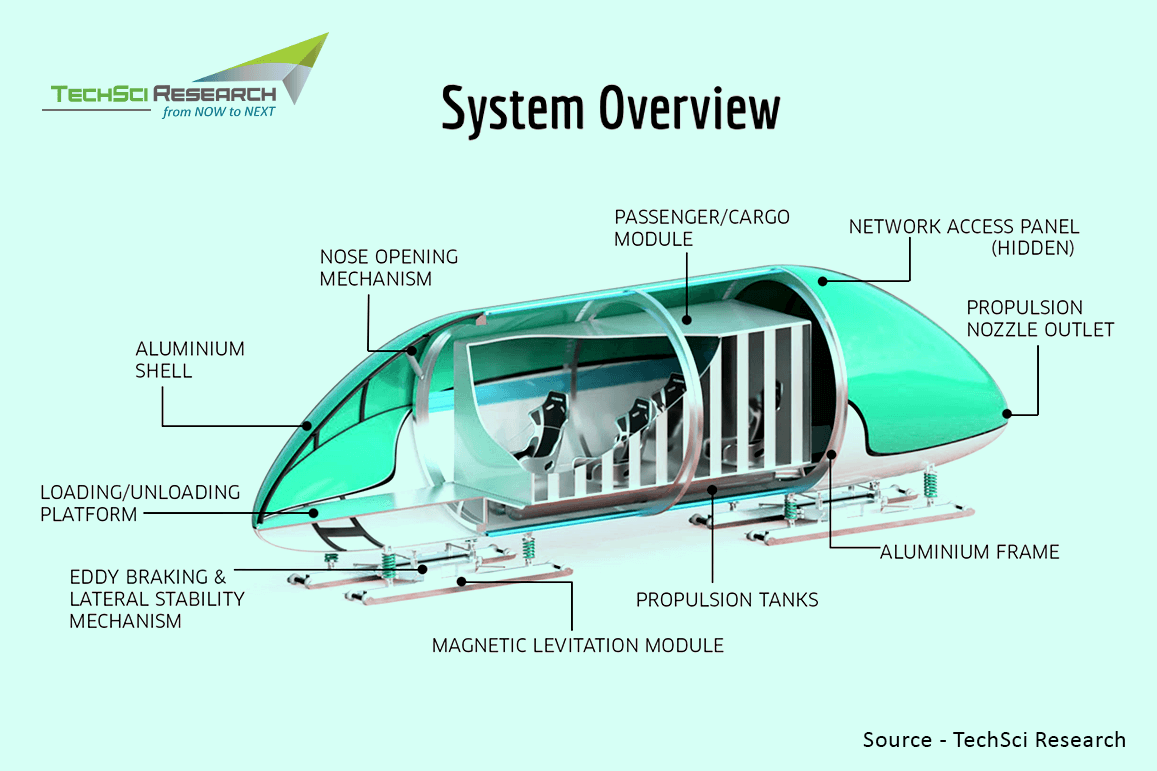
Understanding how hyperloop transportation systems work requires breaking the concept into its core engineering components and examining how they interact as a single, integrated infrastructure system. Unlike conventional rail or aviation, hyperloop technology combines elements of vacuum engineering, high-speed rail propulsion, automation, and advanced structural design. Each subsystem must operate within extremely tight tolerances to enable ultra-high-speed, safe, and energy-efficient transport over long distances.
This section explores the four foundational pillars of hyperloop transportation technology: infrastructure, vehicle design, motion systems, and digital control.
1. Vacuum Tube Infrastructure
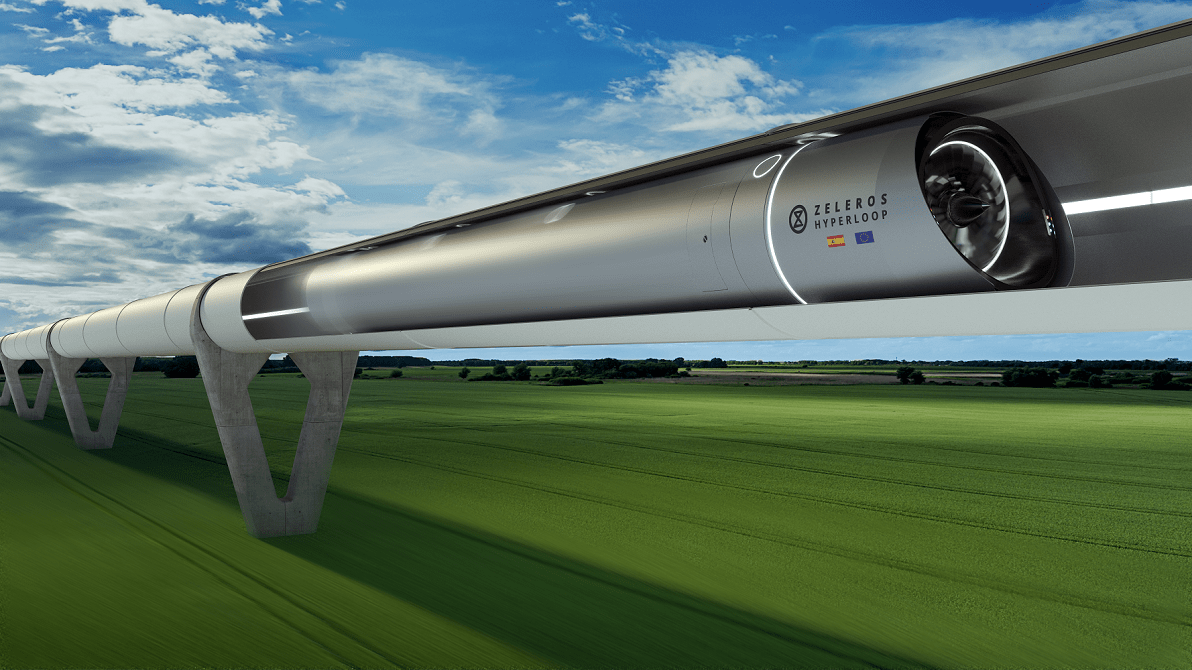
At the heart of hyperloop transportation infrastructure is the low-pressure tube environment. Hyperloop tubes are sealed structures where internal air pressure is reduced to a small fraction of atmospheric pressure, approximately 100 Pa (1% to 1‰ of atmospheric pressure), typically comparable to conditions found at high altitudes, such as 25,000 feet. This reduction in air density dramatically lowers aerodynamic drag, which is the primary energy constraint for vehicles operating at speeds above 300 km/h.
From an infrastructure engineering perspective, hyperloop tubes can be configured as elevated viaducts, surface-level alignments, or underground systems, depending on land availability, urban density, and environmental constraints. Elevated tubes reduce land acquisition challenges and minimise interference with existing transport corridors, while underground alignments may be necessary in dense urban areas but significantly increase construction complexity and cost.
Structurally, the tube must withstand external atmospheric pressure, thermal expansion, seismic forces, and long-span loading. Continuous expansion joints, real-time deformation monitoring, and high-performance materials are crucial in preventing structural failure or loss of vacuum integrity. These requirements place hyperloop infrastructure closer to aerospace-grade engineering standards than traditional rail construction, which has major implications for cost, maintenance, and long-term durability.
2. Pod Design and Passenger Capsules
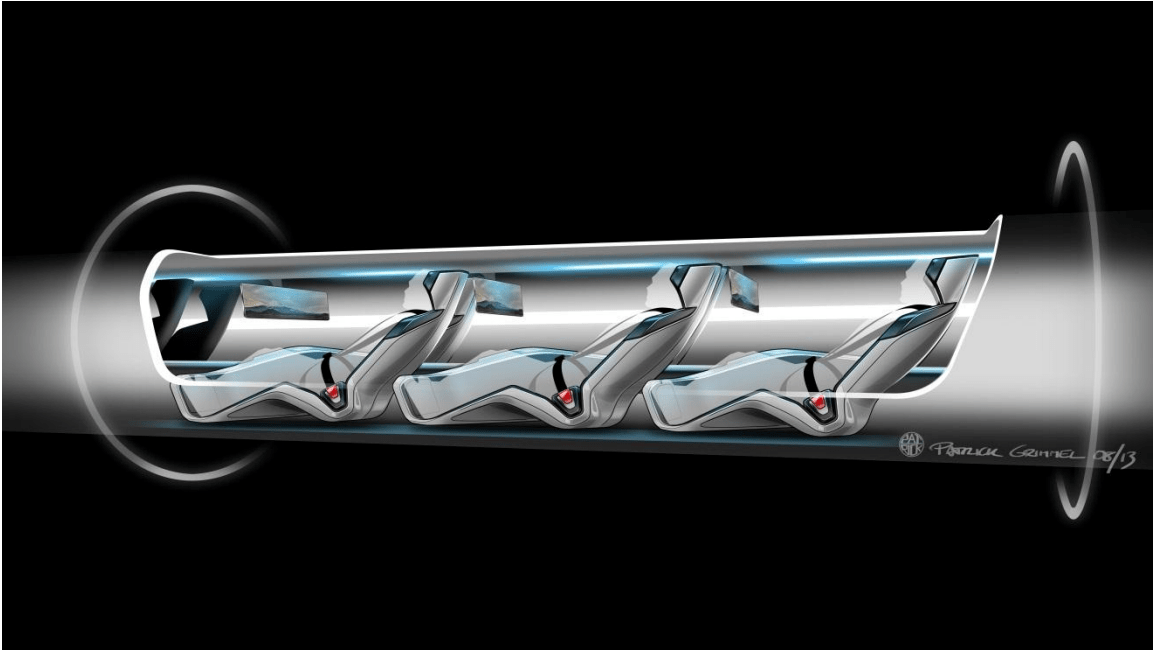
Hyperloop pod design is a critical interface between infrastructure and passenger experience. Pods are pressurised capsules designed to operate safely within the low-pressure tube while maintaining internal conditions similar to those of a commercial aircraft cabin environment. Pressure control systems, structural redundancy, and emergency life-support provisions are therefore integral to pod architecture.
Most proposed hyperloop passenger capsules are designed to carry between 20 and 58 passengers. This capacity reflects a deliberate trade-off between throughput, aerodynamic efficiency, and system flexibility. Smaller pods allow for tighter scheduling intervals and reduce the risk associated with single-vehicle failures; however, they also require highly precise traffic management to achieve meaningful passenger volumes.
Interior layouts prioritise ergonomic seating, vibration isolation, noise reduction, and psychological comfort, particularly given the enclosed environment and high speeds involved. From a safety engineering standpoint, pods must also incorporate emergency braking capability, fire-resistant materials, and controlled depressurisation systems. These design requirements make hyperloop pods more complex than high-speed rail carriages and closer in scope to aviation-grade vehicles in terms of regulation.
3. Levitation, Propulsion, and Braking Systems
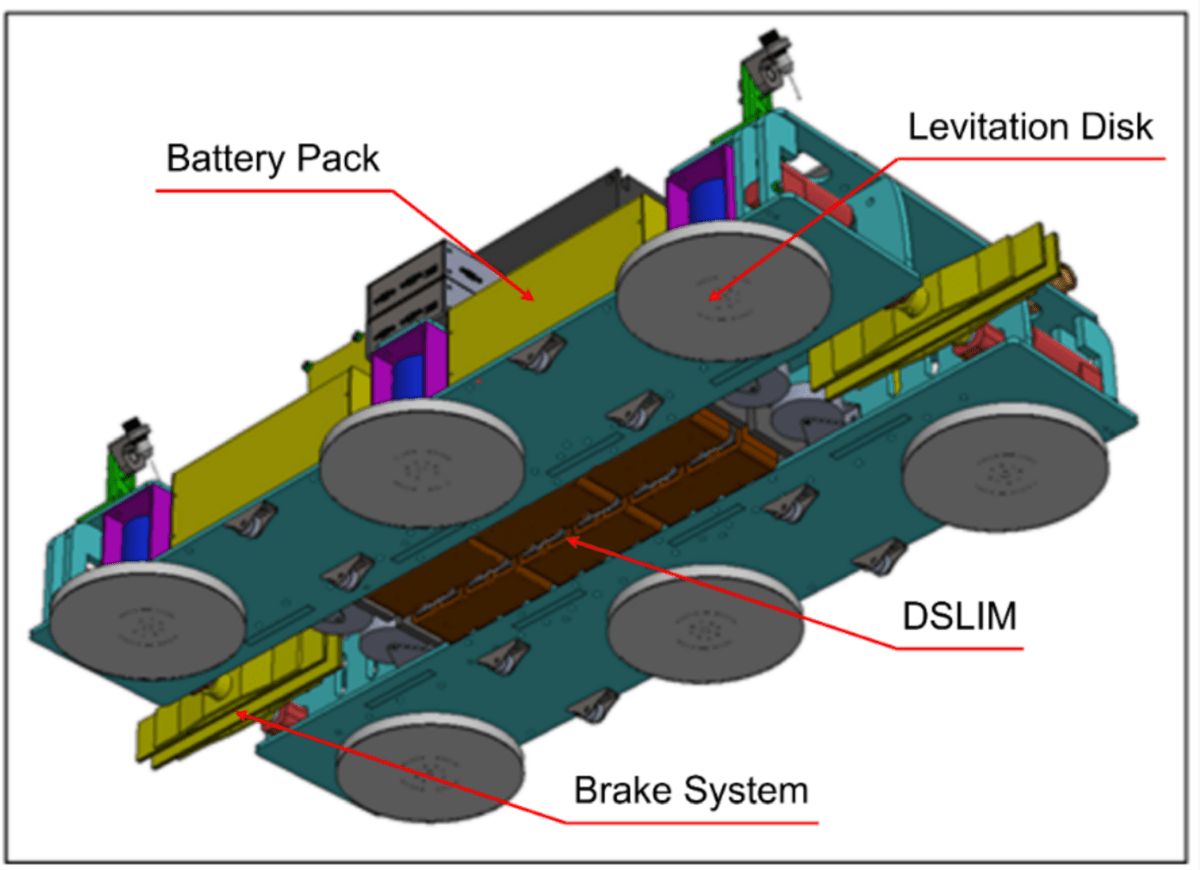
Hyperloop technology for high-speed transport eliminates traditional wheel-on-rail contact through levitation systems, typically using magnetic levitation or air bearings. By eliminating rolling resistance, levitation enables sustained ultra-high speeds with significantly lower mechanical wear than conventional rail systems.
Propulsion is achieved using linear electric motors installed either within the tube or on the pod itself. These motors generate thrust through electromagnetic interaction, allowing precise control over acceleration, cruising speed, and deceleration. Unlike aircraft propulsion, which must overcome both lift and drag forces, hyperloop propulsion operates in a controlled environment where energy input is primarily directed towards forward motion.
Braking systems are equally critical. Hyperloop designs rely on a combination of electromagnetic braking and regenerative braking, where kinetic energy is converted back into electrical energy during deceleration. This recovered energy can be fed back into the system, improving overall energy efficiency. Mechanical braking systems are retained as fail-safe mechanisms, ensuring redundancy in emergency scenarios.
4. Control, Automation, and Digital Systems
Hyperloop transportation systems are fundamentally dependent on advanced automation and digital control architectures. At operational speeds exceeding those of conventional rail, human reaction times are insufficient for real-time decision-making. As a result, hyperloop networks are designed as fully automated systems with minimal direct human intervention.
AI-assisted control platforms manage pod dispatch, spacing, speed regulation, and routing across the network. Precise timing is essential, as even minor deviations in speed or alignment could have significant safety implications at ultra-high velocities. To support this, thousands of sensors are embedded in Hyperloop technology throughout the tube, pylons, propulsion systems, and pods themselves.
These sensors continuously monitor air pressure, temperature, structural deformation, vibration, and system integrity. Data is analysed in real time to detect anomalies, predict maintenance needs, and initiate automatic shutdowns if safety thresholds are exceeded. This level of digital integration places hyperloop transportation technology at the intersection of civil engineering, electrical engineering, and intelligent transport systems.
Key Advantages of Hyperloop Transportation Technology
Hyperloop transportation technology offers a fundamentally different approach to long-distance mobility, combining ultra-high-speed travel with electrically powered, digitally controlled systems. Unlike incremental upgrades to rail or aviation, the hyperloop transportation system is designed as a clean-sheet solution that addresses speed, energy efficiency, reliability, and network capacity simultaneously. These advantages explain why hyperloop technology continues to attract interest from transport planners, engineers, and investors, despite its early-stage maturity.
The following advantages represent the core value propositions driving ongoing research, pilot projects, and feasibility studies worldwide.
1. Ultra-High Speeds and Reduced Travel Time
One of the most frequently cited benefits of hyperloop transportation technology is its ability to achieve unprecedented speeds. In theoretical and controlled test environments, hyperloop pods are designed to reach speeds exceeding 1,000 km/h. By comparison, conventional high-speed rail systems typically operate between 250 and 350 km/h, while even advanced maglev systems rarely exceed 430 km/h in commercial service.
When analysing hyperloop speed compared to trains, the implications for regional mobility are significant. Travel times between major cities could be reduced from several hours to under 30 minutes, effectively redefining commuting distances and economic catchment areas. For example, corridors currently served by high-speed rail projects, such as those analysed in the UK’s HS2 rail development, demonstrate how speed improvements can reshape labour markets and regional investment patterns. Hyperloop transportation systems could amplify these effects further by extending ultra-fast connectivity across longer distances.
From an engineering perspective, these speeds are made possible by minimising aerodynamic drag rather than continuously increasing propulsion power. This distinction is critical, as it enables hyperloop transportation engineering to pursue speed gains without proportional increases in energy consumption, a significant limitation of both rail and aviation.
Further Reading: Revolutionary High Speed 2 (HS2) UK Project: Redefining the Future of Rail Infrastructure
2. Energy Efficiency and Sustainability
Energy performance is a central pillar of the benefits of hyperloop transportation technology. By operating within low-pressure tubes, hyperloop systems significantly reduce air resistance, which accounts for a substantial portion of energy consumption in high-speed transportation. Combined with electric propulsion and regenerative braking, this creates the potential for lower energy consumption per passenger-kilometre than both high-speed rail and short-haul aviation.
According to analysis by the International Energy Agency, electrified transport systems powered by low-carbon electricity are essential to meeting long-term climate targets, particularly for intercity travel. The benefits and challenges of Hyperloop technology must therefore be assessed within broader energy system contexts, including grid capacity, renewable energy integration, and lifecycle emissions from infrastructure construction.
It is important to note that sustainability outcomes depend heavily on implementation. The carbon footprint of concrete-intensive hyperloop infrastructure, energy used to maintain low-pressure environments, and long-term maintenance requirements must be carefully evaluated. This mirrors challenges already faced by large-scale rail and metro projects, such as the Riyadh Metro, where operational sustainability is closely tied to energy sourcing and system efficiency rather than solely to technology.
Further Reading: Riyadh Metro Project: Inside Saudi Arabia’s $22.5 Billion Urban Rail Development
3. Reliability and Weather Independence
Reliability is a less publicised but equally important advantage of hyperloop transportation technology. Traditional transport modes are highly exposed to environmental conditions. Aviation is vulnerable to fog, storms, and high winds, while rail systems can suffer speed restrictions due to heat, flooding, or track deformation.
Hyperloop infrastructure, by contrast, operates within sealed, controlled environments. Enclosed tubes shield the system from wind, rain, snow, and extreme temperatures, significantly reducing weather-related disruptions. This characteristic improves schedule predictability and system resilience, particularly in regions experiencing increasingly volatile climate conditions.
From an operational standpoint, this level of environmental isolation allows hyperloop transportation systems to achieve airline-like punctuality without the same exposure to atmospheric variability. Similar reliability benefits have been observed in thoroughly segregated rail systems such as Kenya’s Standard Gauge Railway (SGR), where controlled alignments and modern signalling have improved consistency compared to legacy rail lines.
Further Reading: Kenya SGR Project: Inside Kenya’s Powerful Railway Revolution
4. Urban Decongestion and Regional Connectivity
Beyond speed and efficiency, hyperloop transportation technology offers strategic benefits for spatial planning and economic development. By shifting long-distance, high-volume travel into dedicated corridors, hyperloop transportation systems could reduce pressure on congested highways, airports, and urban rail networks.
This has important implications for megacities and rapidly urbanising regions, where existing infrastructure is already operating near capacity. Hyperloop corridors could enable decentralised growth by making secondary cities more accessible, supporting regional integration rather than reinforcing overconcentration in major metropolitan areas.
Comparable effects have been observed around major airport and rail megaprojects, such as those analysed in global aviation mega infrastructure hubs, where improved connectivity drives real estate development, logistics investment, and tourism growth.
Further Reading: Top 10 Massive Airport Megaprojects Transforming Global Aviation
Hyperloop vs High-Speed Rail and Maglev Systems
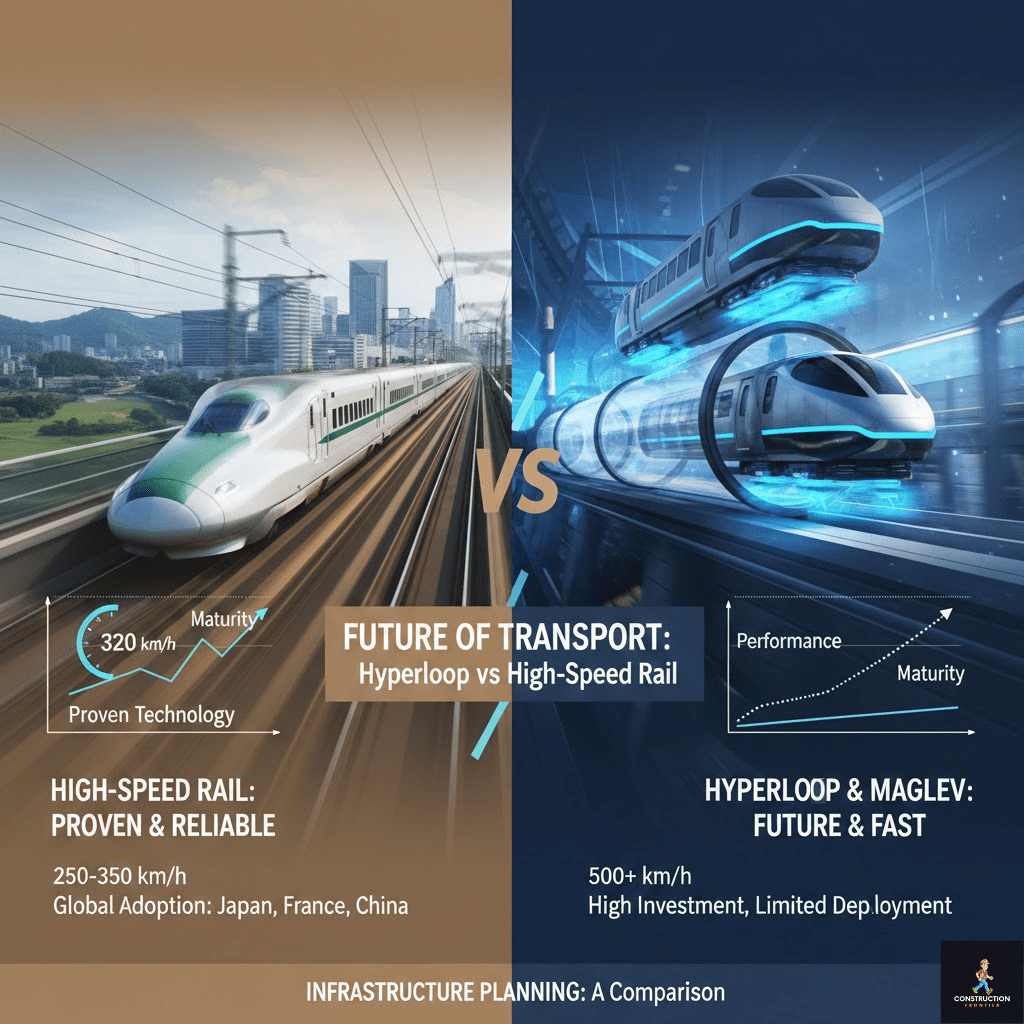
Comparisons between hyperloop transportation systems vs high-speed rail are central to long-term infrastructure planning because each technology occupies a different position on the maturity–performance curve. High-speed rail, particularly steel-wheel systems operating at 250–350 km/h, is a proven and widely deployed solution, with decades of operational data, established safety standards, and strong public trust. Countries such as Japan, France, China, and Spain have demonstrated that high-speed rail can deliver reliable, high-capacity intercity transport at scale.
Maglev technology sits one step further along the speed spectrum. By eliminating wheel-rail contact through electromagnetic levitation, maglev trains can reach commercial speeds above conventional rail, as demonstrated by Shanghai’s maglev line. However, maglev systems require continuous energy input for levitation and propulsion, dedicated guideways that are incompatible with existing rail networks, and high capital expenditures. These factors have limited their global adoption despite technical success.
What Hyperloop Proposes:
Hyperloop transportation technology proposes a fundamentally different approach. By operating within a low-pressure tube environment, hyperloop systems dramatically reduce aerodynamic drag, which becomes the dominant limiting factor for high-speed travel above 400 km/h. In theory, this allows hyperloop speeds to exceed those of trains, both high-speed rail and maglev, while consuming less energy per passenger-kilometre at cruising speed.
That said, the advantages of hyperloop over high-speed rail remain largely theoretical at this stage. High-speed rail benefits from operational maturity, regulatory clarity, and integration into national transport systems. Hyperloop currently lags in large-scale deployment experience, emergency response validation, and lifecycle cost certainty. For policymakers, the decision is not a simple replacement question but whether hyperloop transportation technology could eventually complement existing rail systems on specific high-demand corridors where speed, distance, and congestion justify its complexity.
Infrastructure and Engineering Requirements for Hyperloop Systems
Hyperloop infrastructure represents a significant departure from conventional rail and highway engineering, placing exceptional demands on precision, systems integration, and long-term structural performance. At ultra-high speeds, even minor deviations in alignment can result in unacceptable dynamic forces, making guideway design one of the most technically demanding aspects of hyperloop infrastructure.
1. Hyperloop Guideways
The guideways must maintain extremely tight horizontal and vertical tolerances over long distances. This requirement affects everything from foundation design and pylon spacing to thermal expansion management and seismic resilience. Elevated alignments are often proposed to mitigate land acquisition challenges and avoid at-grade crossings; however, they introduce additional structural and visual impacts that must be carefully managed, particularly in urban areas.
2. Land Acquisition Challenges
Land acquisition and right-of-way planning remain significant constraints for the development of hyperloop transportation. While the system footprint is narrower than highways, continuous corridors are still required. Routing through dense cities presents challenges similar to those faced by high-speed rail and metro projects, including cost, permitting, and social acceptance issues.
3. Hyperloop Power Supply Sources
Hyperloop power supply systems must support continuous operation with high reliability and availability. Hyperloop transportation engineering relies on uninterrupted electricity for maintaining the vacuum, propulsion, control systems, and safety infrastructure. Redundancy, energy storage, and grid resilience are therefore critical design considerations, especially in regions with less stable power networks.
4. Hyperloop Maintenance Infrastructure
Hyperloop maintenance facilities represent another specialised requirement. Unlike conventional rail depots, hyperloop maintenance hubs must support vacuum systems, magnetic propulsion components, and digitally integrated control platforms. This necessitates a highly skilled workforce and long-term investment in training, further reinforcing that hyperloop infrastructure is as much a systems-engineering challenge as a civil construction one.
Safety, Reliability, and Regulatory Considerations in Hyperloop Technology
Safety is arguably the most scrutinised dimension of hyperloop transportation technology. Operating passenger systems in low-pressure environments introduces risk scenarios that differ fundamentally from those of rail or aviation. Potential hazards include pressure loss, power failures, system misalignment, and emergency evacuation under constrained conditions. To mitigate these risks, hyperloop designs incorporate multiple layers of redundancy.
1. Hyperloop Tube Safety Design
Tube sections are typically compartmentalised so that pressure loss can be isolated rather than propagating across long distances. Pods are pressurised and designed to maintain life-support conditions for extended periods, similar to aircraft cabins. Emergency braking systems and fail-safe shutdown protocols are intended to bring pods to controlled stops within safe distances.
2. Hyperloop Emergency Response
Emergency response planning presents unique challenges. Evacuating passengers from sealed tubes, particularly in elevated or underground alignments, requires carefully engineered access points, rescue vehicles, and coordination with local emergency services. These scenarios must be proven through testing, not assumed, which partly explains the cautious pace of regulatory acceptance.
3. Hyperloop Regulatory Framework
Globally, there is no unified regulatory framework governing hyperloop transportation systems. Existing rail, aviation, and tunnel safety standards provide reference points; however, none fully capture the unique nature of hyperloop technology. As a result, governments, standards bodies, and academic institutions are collaborating to define certification pathways, safety benchmarks, and operational guidelines. Until these frameworks mature, regulatory uncertainty will remain a significant barrier to commercial deployment.
Real-World Hyperloop Projects and Global Developments
Hyperloop transportation development has progressed steadily from conceptual studies to controlled testing environments, although it has yet to reach commercial-scale operation. These projects play a critical role in validating engineering assumptions, safety systems, and economic feasibility.
1. Pilot Projects and Test Tracks
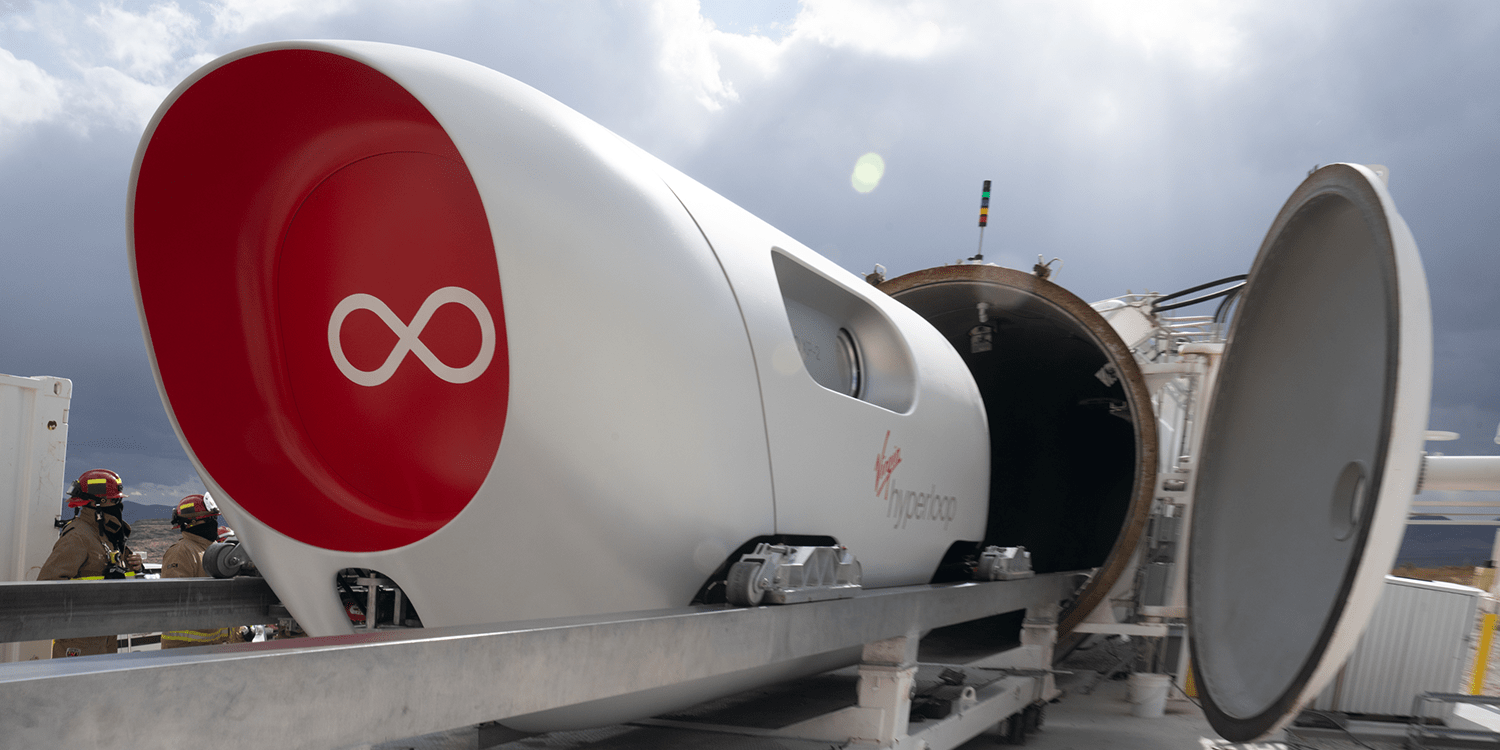
One of the most widely cited milestones was the Virgin Hyperloop passenger test conducted on a short test track in Nevada. This demonstration marked the first time human passengers travelled in a hyperloop-style pod under controlled conditions. While the test covered a limited distance and a speed of 160km/h, compared to the proposed commercial systems of 1000km/h, it provided valuable data on pod dynamics, passenger comfort, and system control.
Other test facilities, including those developed by research institutions and private firms, focus on propulsion systems, vacuum maintenance, and structural behaviour rather than passenger operation. Collectively, these pilots form the experimental backbone of hyperloop technology for high-speed transport.
2. Government-Backed Hyperloop Initiatives
Several governments have commissioned feasibility studies to assess whether hyperloop transportation systems can be integrated into national mobility strategies. India has explored potential corridors linking major economic centres, while the United Arab Emirates has evaluated hyperloop as part of broader smart mobility and logistics ambitions. In Europe, research programmes have examined regulatory frameworks, safety standards, and infrastructure compatibility.
These initiatives are significant not because they guarantee deployment, but because government involvement signals institutional interest and helps de-risk early-stage research through public funding and policy support.
3. Private Sector Innovation and Investment
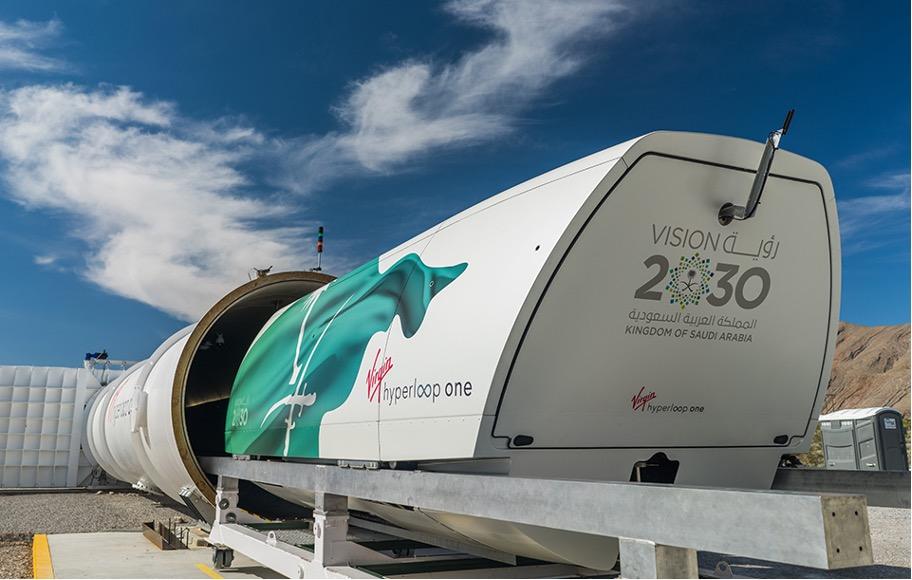
Private companies remain the primary drivers of hyperloop innovation. Backed by venture capital and high-profile technology advocates such as Richard Branson and Elon Musk, these firms are advancing propulsion systems, materials research, and digital control platforms. However, private-sector leadership also means that progress is sensitive to investment cycles, market confidence, and shifting strategic priorities.
Economic and Social Impact of Hyperloop Transportation
If successfully deployed, the benefits of hyperloop transportation technology could extend far beyond travel time savings. By dramatically reducing intercity journey durations, hyperloop systems could reshape labour markets, enabling people to live further from employment centres without sacrificing accessibility. This has implications for housing affordability, regional development, and urban congestion.
From an economic perspective, hyperloop infrastructure projects generate demand for high-skilled jobs in engineering, construction, operations, and digital systems management. Over time, local supply chains could emerge around the manufacturing of components, maintenance of infrastructure, and operation of networks, thereby contributing to industrial development.
Secondary impacts include increased land values around hyperloop stations, tourism growth enabled by rapid regional connectivity, and improved access to healthcare and education services. However, these benefits are not automatic. Equity considerations are central, as high capital costs could translate into premium fares unless balanced by public investment or policy intervention.
Challenges and Limitations of Hyperloop Transportation Technology
Despite its promise, the benefits and challenges of hyperloop technology must be evaluated realistically rather than aspirationally. The gap between controlled testing and large-scale, publicly accessible systems remains substantial.
1. High Capital and Development Costs
Hyperloop infrastructure requires significant upfront investment, often exceeding that of conventional rail on a per-kilometre basis. Precision engineering, specialised materials, power systems, and safety infrastructure drive costs. Securing financing for such projects is challenging, particularly in regions where basic transport needs remain unmet.
2. Technical Complexity and Scaling Risks
Maintaining low-pressure conditions over hundreds of kilometres introduces engineering risks that have not yet been proven at scale. Thermal expansion, seismic activity, material fatigue, and system integration all become more complex as network length increases. These scaling challenges remain one of the most significant unknowns in the field of hyperloop transportation engineering.
3. Public Acceptance and Long Timelines
Public trust, regulatory approval, and funding alignment take time to build. Even if technical hurdles are overcome, widespread adoption of hyperloop transportation technology is likely to unfold over decades rather than years. For many governments, this positions hyperloop as a long-term strategic option rather than an immediate replacement for existing transport systems.
The Future Outlook for Hyperloop Transportation Technology
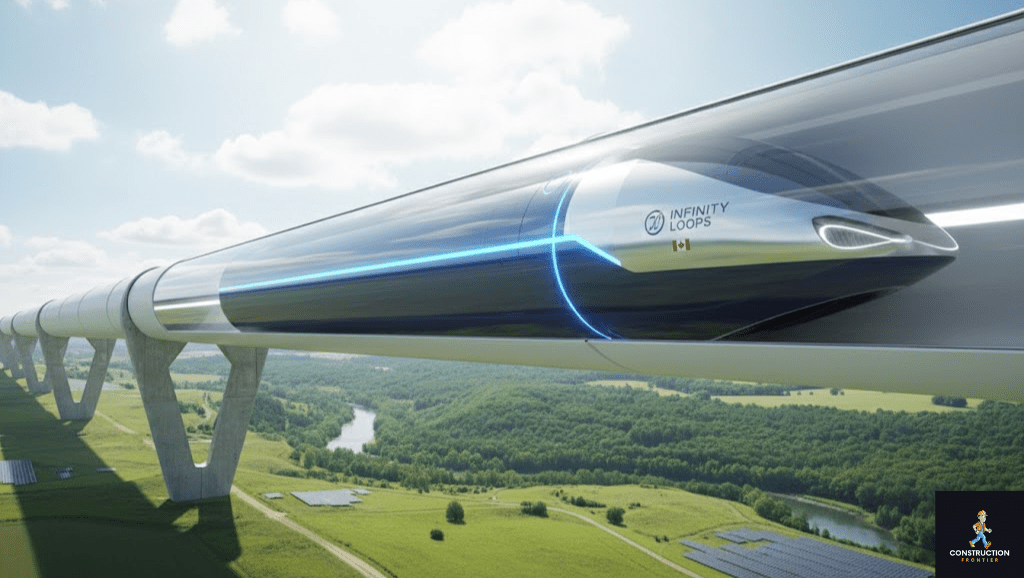
The future of hyperloop transportation technology is increasingly being framed not as an imminent replacement for rail or aviation, but as a long-term complementary transport mode designed for specific, high-demand corridors. Most transport authorities and research institutions agree that commercial deployment is unlikely before the 2030s, primarily due to regulatory development timelines, safety certification requirements, and unresolved infrastructure cost challenges.
According to the International Association of Public Transport (UITP), emerging transport systems, such as hyperloop, must first demonstrate interoperability with existing networks, long-term operational safety, and economic resilience before large-scale adoption becomes viable. This aligns with broader findings from the European Union Agency for Railways, which emphasises that novel ultra-high-speed systems require decades of validation, similar to the early evolution of high-speed rail.
One area where hyperloop transportation development is expected to progress more rapidly is systems integration. Research increasingly focuses on linking hyperloop infrastructure technology with smart cities, AI-driven traffic control, and renewable energy systems. Automated operations, predictive maintenance powered by machine learning, and digitally monitored infrastructure are seen as essential enablers for safe hyperloop operations at scale. The World Economic Forum’s work on innovative mobility systems emphasises the importance of automation and digital governance as prerequisites for next-generation transport networks, including hyperloop-style systems.
From an energy perspective, hyperloop technology for high-speed transport is often positioned as compatible with decarbonisation strategies because it relies on electricity rather than fossil fuels. However, institutions such as the International Energy Agency (IEA) caution that overall sustainability depends heavily on the electricity source, lifecycle emissions of construction materials, and long-term maintenance demands. As a result, hyperloop is increasingly viewed as a strategic option for future high-speed transport, rather than a universal solution.
What If Hyperloop Transportation Technology Is Implemented in Africa? Global Implications and Future Possibilities
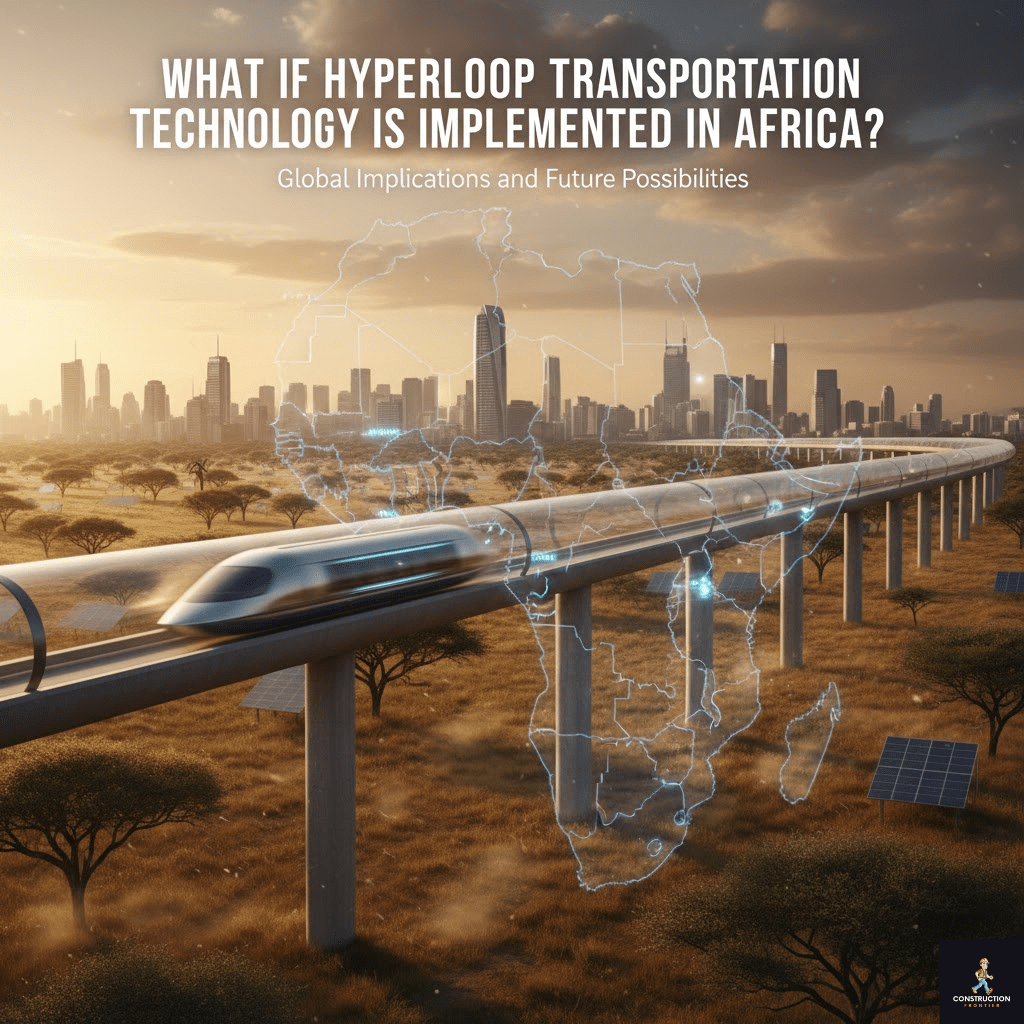
Africa presents a distinct and strategically significant context for hyperloop transportation technology, driven by rapid urbanisation, long intercity distances, and persistent infrastructure gaps. While no African country has committed to building a hyperloop, feasibility discussions have emerged within broader conversations about future high-speed transport and continental integration.
1. Reimagining African Mobility and Regional Integration
From a systems perspective, hyperloop transportation systems could connect major ports, capital cities, and industrial corridors across vast distances more efficiently than conventional rail. Corridors linking coastal trade gateways with inland production zones could support the objectives of the African Continental Free Trade Area (AfCFTA) by reducing transport time and logistics costs.
The African Development Bank (AfDB) has repeatedly identified transport connectivity as a critical constraint on intra-African trade. While the hyperloop remains speculative, its corridor-based model aligns with AfCFTA ambitions to enhance regional mobility and economic integration, rather than focusing solely on national networks.
2. Leapfrogging Traditional Transport Infrastructure
Africa’s experience with mobile telecommunications is often cited as evidence of successful infrastructure leapfrogging. In theory, hyperloop transportation development could follow a similar trajectory by bypassing legacy rail expansion in favour of digitally native transport systems. However, transport economists caution that physical infrastructure differs fundamentally from digital networks due to constraints related to land, energy, and materials.
Institutions such as the World Bank Transport Global Practice emphasise that while leapfrogging is possible in specific contexts, it must be grounded in affordability, governance capacity, and long-term maintenance planning. Hyperloop infrastructure technology needs to complement, not replace, existing investments in roads, railways, and ports.
3. Economic Transformation and Industrial Development
If pursued strategically, hyperloop transportation engineering could contribute to local industrial development rather than remaining an imported technology. The construction of guideways, pylons, stations, and power systems would rely heavily on civil engineering expertise, materials manufacturing, and the integration of digital systems.
The United Nations Industrial Development Organisation (UNIDO) highlights that large infrastructure projects can act as catalysts for skills transfer and industrial upgrading when localisation policies are embedded from the outset. In this context, hyperloop technology could stimulate the adoption of advanced construction methods, automation, and systems engineering capacity within African economies, even if deployed initially at a pilot scale.
4. Sustainability and Climate Resilience
Electrified transport systems are central to Africa’s long-term climate strategy, particularly as cities seek alternatives to road freight and short-haul aviation. In principle, the benefits of hyperloop transportation technology include lower direct emissions during operation, provided that electricity is sourced from renewable sources.
However, climate analysts from the Intergovernmental Panel on Climate Change (IPCC) emphasise that infrastructure emissions must be assessed across the entire lifecycle, encompassing concrete production, steel use, and land-use impacts. This reinforces the need for cautious, evidence-based planning rather than technology-driven optimism.
5. Political Will, Financing Models, and Partnerships
The feasibility of hyperloop transportation systems in Africa would depend heavily on political commitment, institutional capacity, and innovative financing structures. Given the high capital costs, public-private partnerships (PPPs) and development finance institutions would play a central role.
The African Union’s Programme for Infrastructure Development in Africa (PIDA) already promotes cross-border infrastructure corridors as a tool for economic integration. While hyperloop is not part of current PIDA pipelines, the framework illustrates how governance coordination and multilateral financing could support future high-speed transport concepts.
6. Risks, Realism, and the Long Road to Implementation
Despite its conceptual appeal, hyperloop transportation technology faces substantial risks in the African context. Competing priorities such as basic road access, conventional rail rehabilitation, and urban public transport expansion remain more immediate needs. Transport planners caution that premature investment in unproven systems could divert resources from projects with clearer social returns.
As the International Transport Forum (OECD) notes, emerging transport technologies should be introduced incrementally through pilots, feasibility studies, and staged scaling. For Africa, the hyperloop is best viewed as a long-term vision, rather than a near-term substitute for essential infrastructure development.
7. Thought Triggers for Policymakers, Engineers, and Investors
- Could Africa become a testing ground for hyperloop transportation systems vs high-speed rail in long-distance corridors?
- Would strategic hyperloop links reshape regional labour mobility and trade logistics under AfCFTA?
- Can emerging markets influence the global evolution of future high-speed transport, rather than adopting it last?
- Is Hyperloop an investment for the next decade, or a 20–30-year infrastructure vision?
Conclusion: Is Hyperloop the Next Evolution in Global Transport?
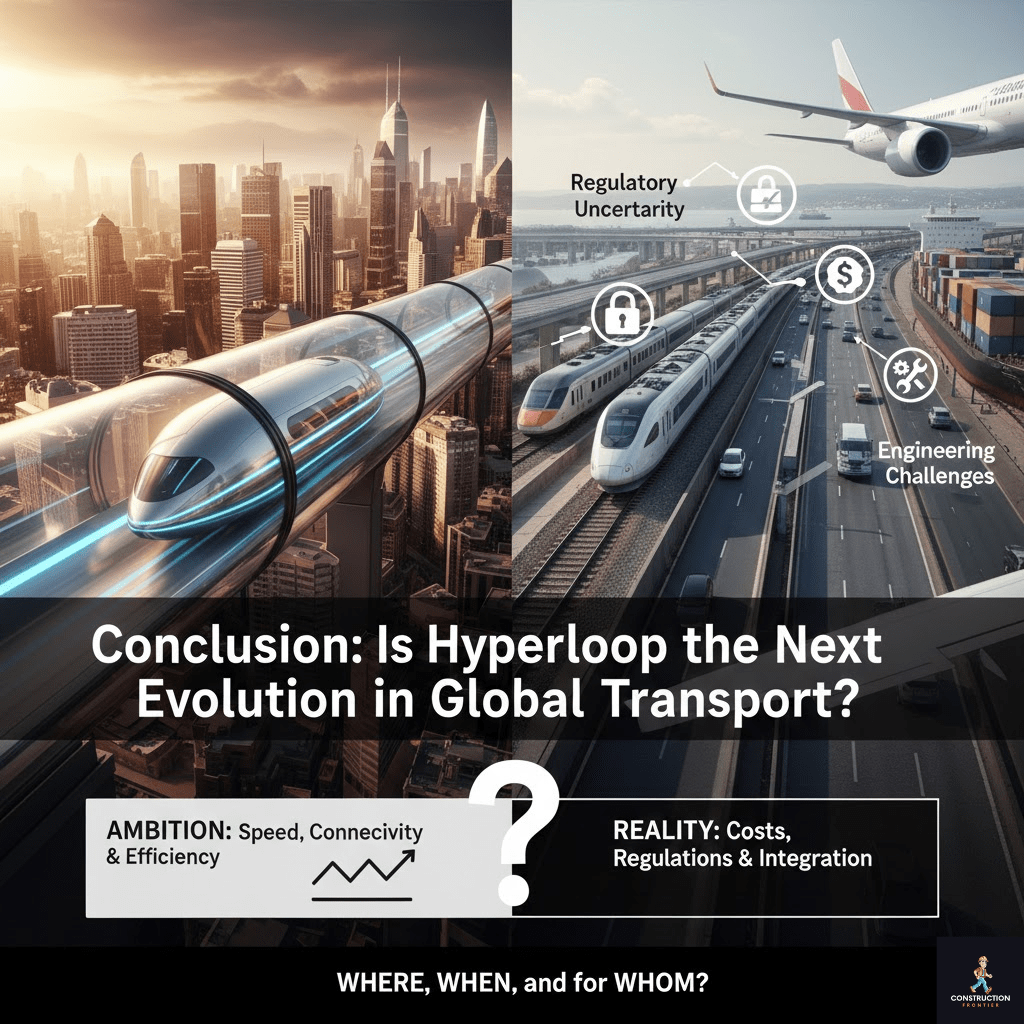
Hyperloop transportation technology represents one of the most ambitious attempts to rethink future high-speed transport in an era defined by congestion, climate pressure, and urban expansion. By combining low-pressure environments, electric propulsion, and digital automation, hyperloop challenges conventional assumptions about speed, energy efficiency, and regional connectivity.
Yet ambition alone does not guarantee transformation. High costs, regulatory uncertainty, and unresolved engineering challenges make it unlikely that hyperloop will replace existing transport systems in the foreseeable future. Instead, its most realistic role lies in strategically selected corridors, where demand, distance, and economic value justify its complexity.
For governments, engineers, and investors, the critical question is not whether hyperloop transportation technology is revolutionary, but where, when, and under what conditions it delivers real public value.
Call to Action: Stay Ahead of Future Transport Innovation
Stay informed on the technologies shaping the future of global transport. Explore expert-led insights, real-world infrastructure projects, and emerging mobility systems on ConstructionFrontier.com. Follow the platform to stay ahead of transport innovation.