
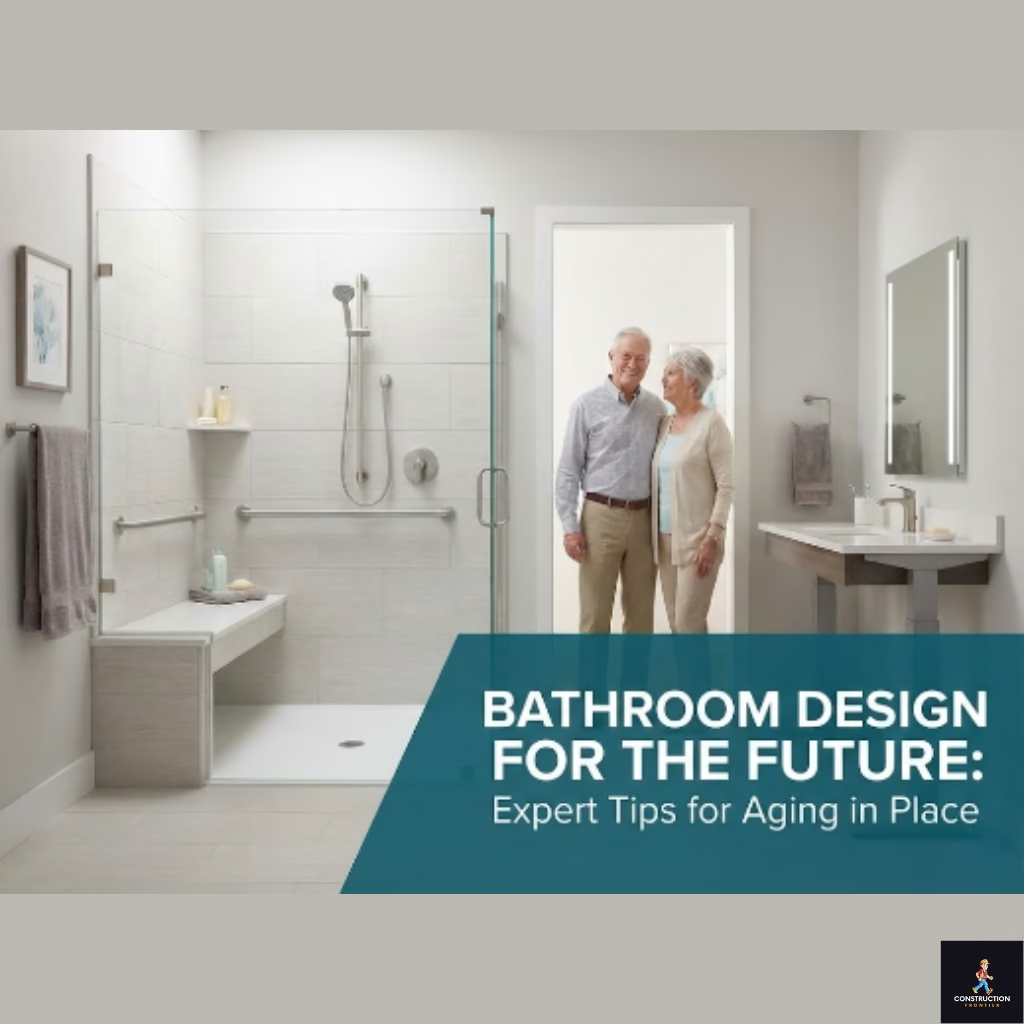
Age-in-Place Bathroom Design: 6 Expert Tips for a Safer Future
Age-in-place bathroom design is about creating a safe, adaptable, and visually appealing space that supports independent living as homeowners grow older, without the need for frequent or costly renovations. By combining universal bathroom design principles with modern aesthetics, these bathrooms improve comfort, accessibility, and long-term usability for people of all ages and mobility levels.
Introduction: Planning Ahead Without Compromise
The primary goal of age-in-place bathroom design is simple: to help homeowners remain in their homes for as long as possible while avoiding disruptive and expensive future renovations. Conversations around ageing or physical decline are often avoided in many cultures, yet the reality is unavoidable: our needs change with time, and the bathroom is often the first space where those changes are felt.
An ageing-in-place bathroom layout is not designed exclusively for older adults. Instead, it creates a space that is practical for everyone, including children, guests, people with temporary injuries, and individuals with long-term mobility challenges. Today’s accessible bathroom design solutions combine thoughtful planning with modern materials and smart fixtures, ensuring the space remains attractive, functional, and future-ready.
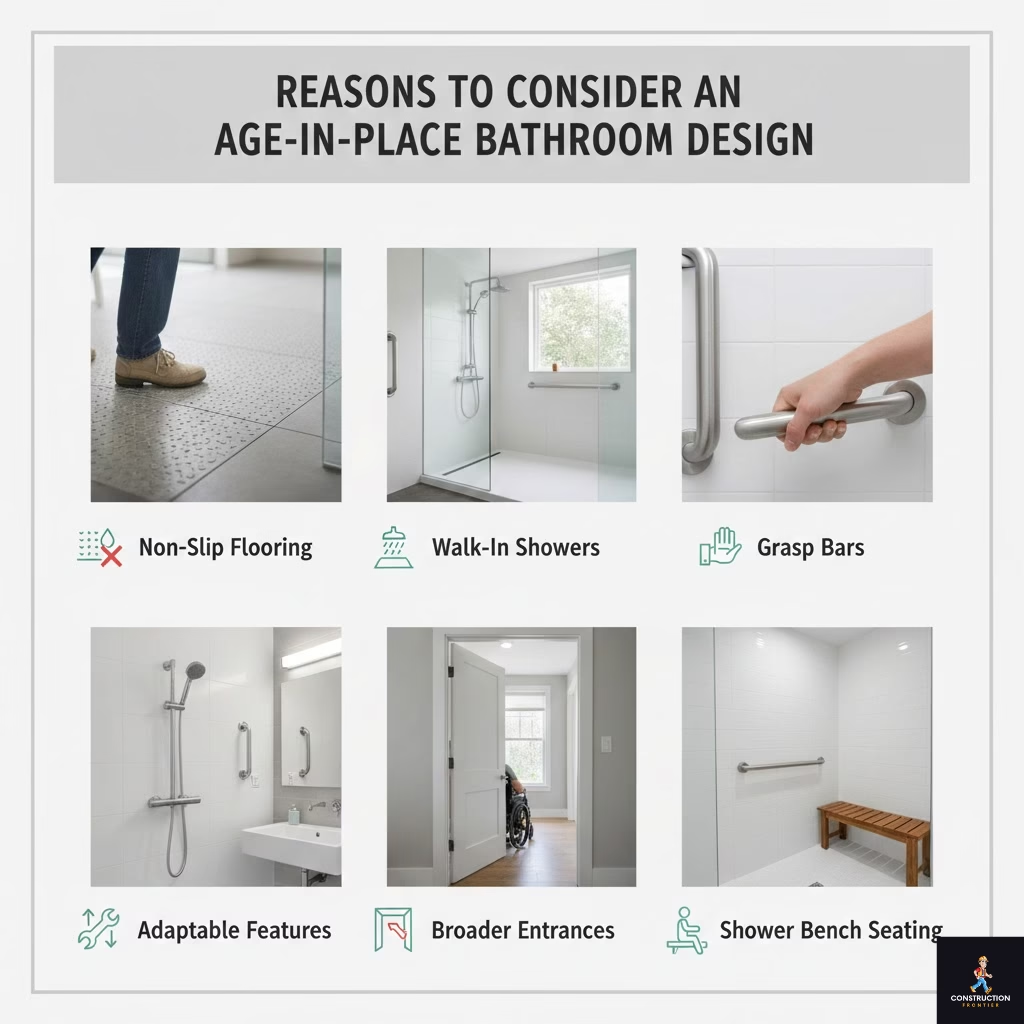
Reasons to Consider an Age-In-Place Bathroom Design
A safe bathroom is one of the most critical areas in any home, particularly as populations age and more homeowners prefer to remain independent. Studies published by the National Library of Medicine show that bathrooms pose a higher risk of injury for older adults due to falls, limited manoeuvrability, and accessibility barriers.
Below are essential age-in-place bathroom design tips that address these risks while maintaining comfort and style.
1. Non-Slip Flooring
According to the U.S. Consumer Product Safety Commission (CPSC), slippery bathroom floors contribute significantly to serious injuries, including fatal falls. Choosing textured tiles, matte finishes, or slip-resistant flooring materials dramatically reduces this risk and forms the foundation of effective bathroom safety design.
2. Walk-In and Curbless Showers
Walk-in showers eliminate the need to step over raised edges, making them safer for users of all ages. Curbless designs are especially beneficial for wheelchair users and those with limited balance, making them a cornerstone of accessible bathroom ideas for seniors.
3. Grab Bars for Stability
Properly positioned grab bars near toilets, showers, and bathtubs provide essential support in wet environments. When integrated thoughtfully, they enhance safety without compromising the overall look of a senior-friendly bathroom design.
4. Adaptable and Adjustable Fixtures
Height-adjustable showerheads, flexible hose systems, and adaptable countertops significantly improve comfort. These features allow the bathroom to evolve alongside its users, supporting long-term living without major redesigns.
5. Wider Doorways and Clearances
Broader entrances and uncluttered layouts ensure smooth access for walkers, wheelchairs, or mobility aids. This principle is central to universal bathroom design, benefiting both present and future users.
6. Built-In Shower Seating
A fixed or fold-down shower bench allows users to sit comfortably while bathing, reducing fatigue and fall risk. It is a practical addition to any safe bathroom design for seniors.
Benefits of an Ageing-In-Place Bathroom Design
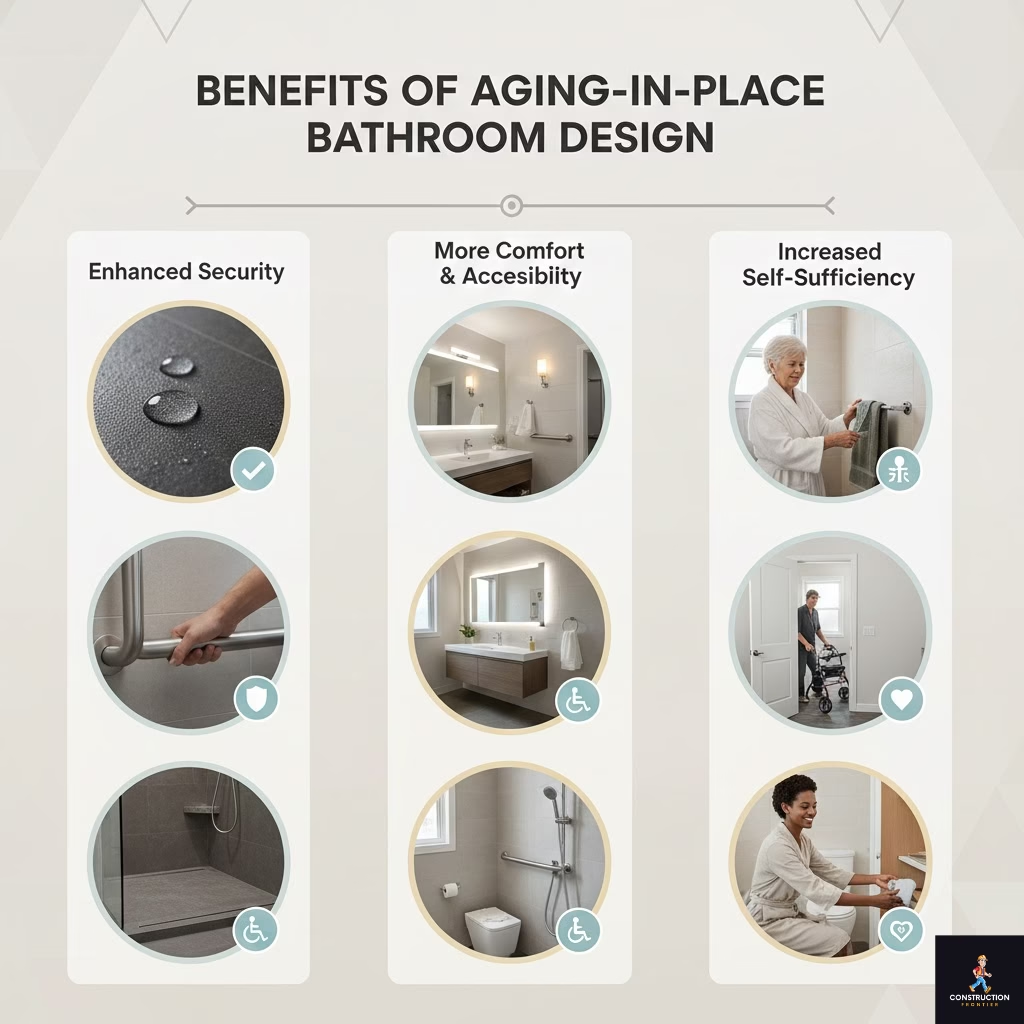
Designing a bathroom for ageing in place goes beyond safety; it enhances quality of life. A well-planned bathroom design for ageing homeowners offers several long-term benefits.
1. Improved Safety and Injury Prevention
Slip-resistant surfaces, secure grab bars, and improved lighting significantly reduce the likelihood of accidents. These age-in-place bathroom safety features are especially important in preventing falls, which are among the most common causes of injury in older adults.
2. Greater Comfort and Accessibility
Features such as wall-mounted sinks, walk-in tubs, handheld showerheads, occupancy-sensor lighting, and generous turning space improve daily usability. These elements define the best bathroom design for ageing in place by balancing ease of use with modern comfort.
3. Increased Independence and Confidence
A senior-friendly bathroom remodel empowers users to carry out everyday routines without assistance. By incorporating accessible bathroom design principles, homeowners can maintain autonomy and dignity well into later life.
What Does It Cost to Remodel an Age-In-Place Bathroom?
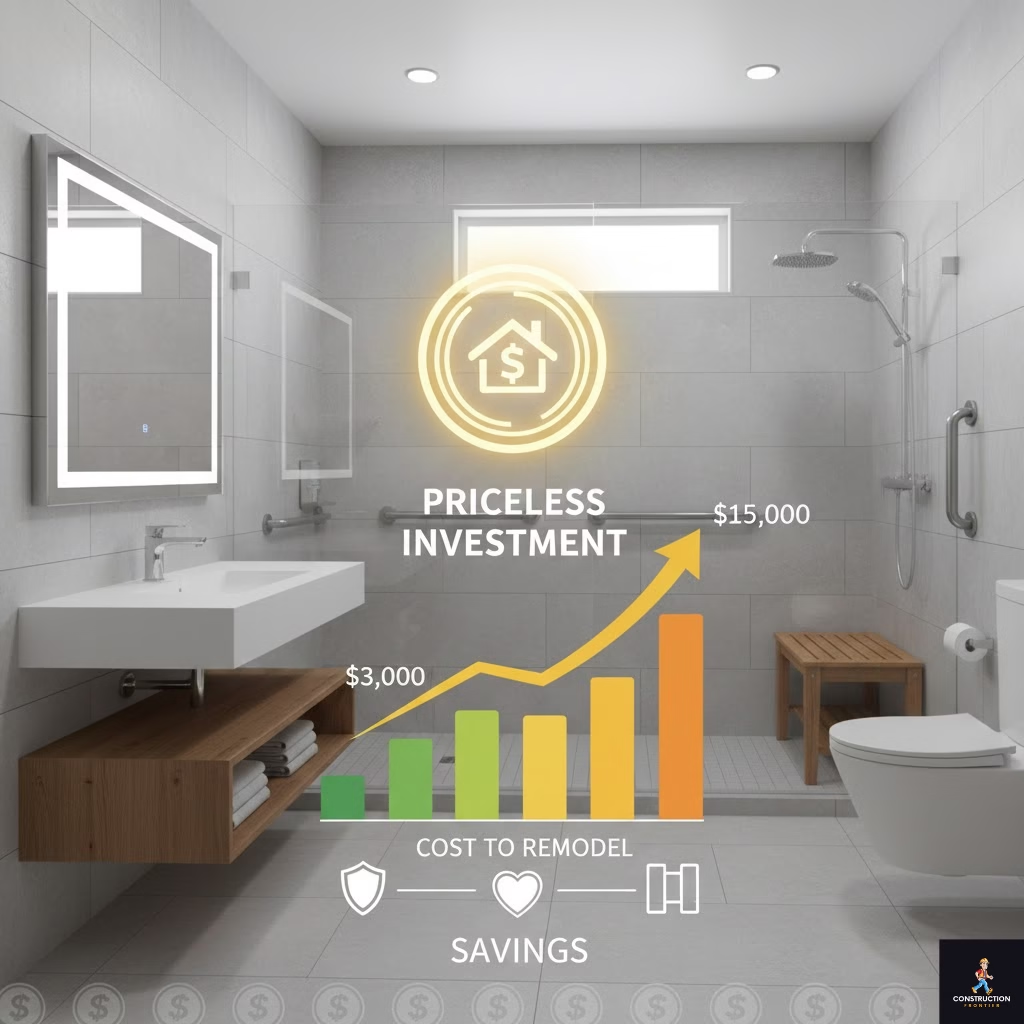
According to Fixr, the cost of remodelling an ageing-in-place bathroom typically ranges between $3,000 and $15,000, depending on the scope of work and design choices. Several factors influence the final cost, including:
- The size of the bathroom
- Material selection and fixture quality
- Existing plumbing and structural conditions
- The extent of modifications required
While the upfront investment may seem significant, an age-in-place bathroom remodel often prevents future medical expenses and costly emergency renovations. Consulting a qualified professional ensures accurate budgeting and alignment of design with long-term needs.
Wrap-Up: Designing for Long-Term Living
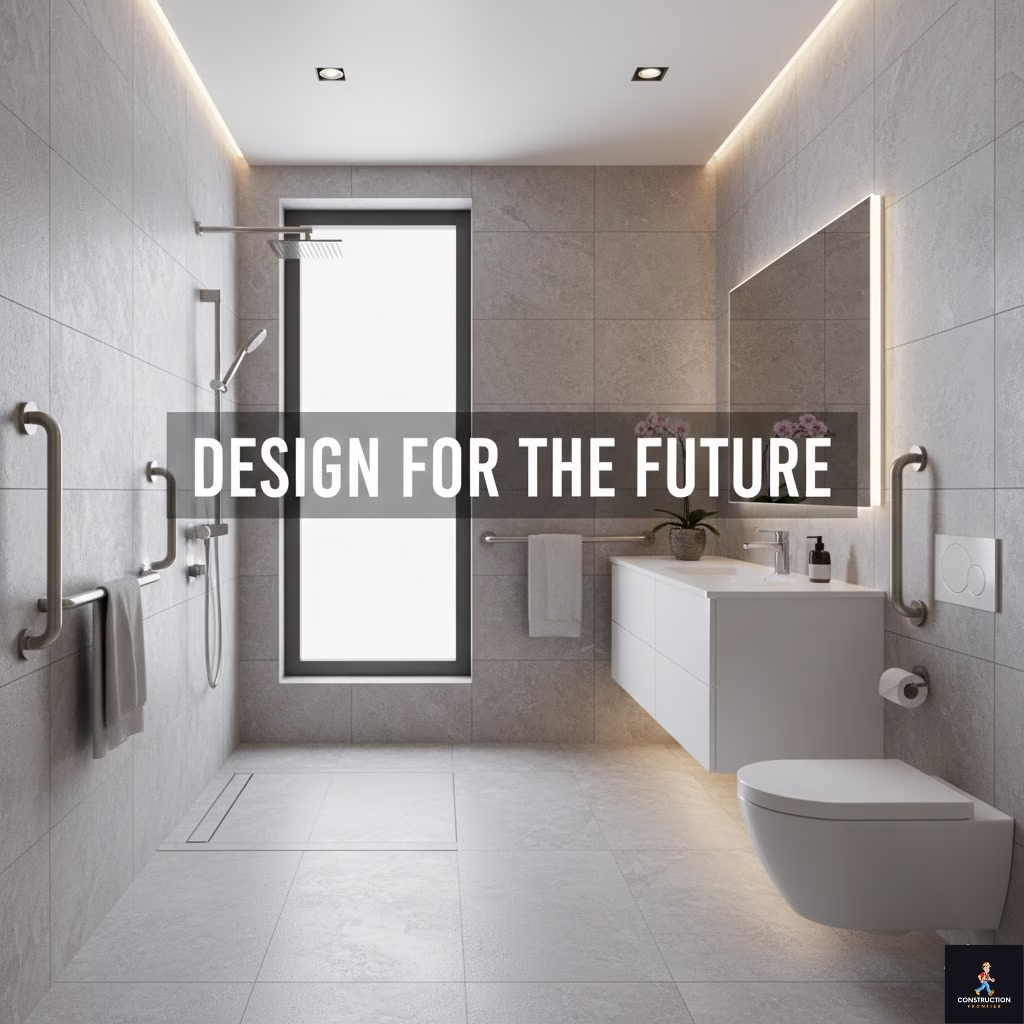
Age-in-place bathroom design is not about preparing for old age; it is about planning intelligently for the future. A thoughtfully designed bathroom can provide safety, comfort, and independence for decades, adapting seamlessly as needs change.
Every household is unique, and the most effective solutions come from personalised planning. Working with an experienced design-build professional ensures your bathroom supports long-term living while reflecting your lifestyle and preferences.
Explore More Construction Insights
Stay informed on African and global construction trends, building technology, and project management insights. Visit constructionfrontier.com, your trusted platform for civil engineering and construction intelligence.