
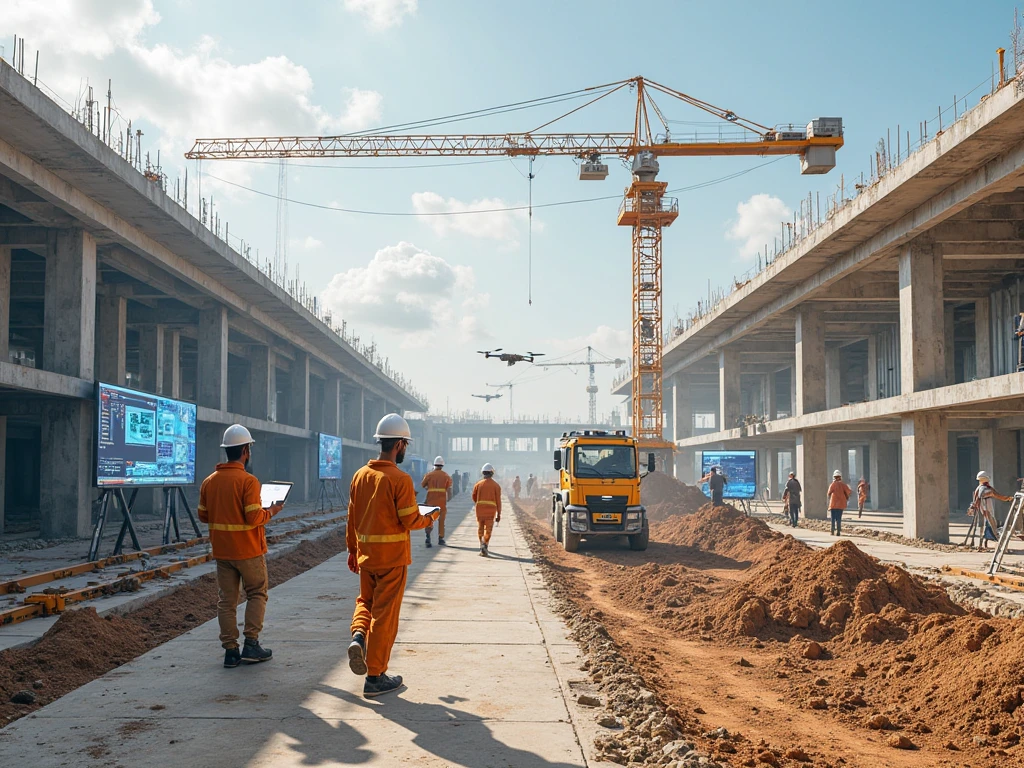
6 Innovative Technologies in Modern Construction Projects
It is impossible to underestimate the impact of innovative technology on infrastructure and structural planning, design, construction, and operation today. However, many existing processes in modern construction are several hundred years old and, hence, outdated. As work-site needs change and technology progresses, new methods will positively address modern construction issues. Therefore, technology has several critical applications in the modern construction sector.
The COVID-19 pandemic is a good example of how the world changed. The modern construction industry also struggled due to social distancing measures. Project managers, engineers, and architects had to devise methods to curb the challenges. Thus, they looked back into technology for solutions. The innovations that started then and previously were put into practical use, such as:
- Drones
- AI (Artificial Intelligence)
- Precision robotics
- Advanced automation and autonomy
- Cutting-edge software and much more.
This article will cover some key innovative technologies in modern construction.

Overview of the Global Construction Market
The rise of modern construction has led to new strategies and innovations that transform traditional practices. The building market does not remain the same every year. This is only the outcome of the industry’s ongoing development and transformation. The global construction monitor chart indicates that the sector remained robust in the face of the pandemic, which is entirely responsible for the shift in market trends in 2020.
Due to a few significant industrial advances, the industry’s growth has been trending upward. These advances include construction processes, software and technology advancements, market conditions, and governmental engagement in breakthroughs in new construction technology.
Other market developments are linked to investments in the energy, utility, and infrastructure sectors, which remain significant contributors to overall infrastructure growth. Several worldwide projections and studies create an industry market overview based on these elements.

Statistics on Innovative Technology in Construction
A study from the 2022 CIArb Webinar predicts that China, the United States, and India will drive $8 trillion in global construction market growth by 2030. According to a recent report titled Global Construction 2030, global construction output will increase by 85 per cent to $15.5 trillion by 2030, with China, the United States, and India leading the way and contributing 57 per cent of this expansion. These statistics highlight the significant growth in modern construction methods worldwide.
Using cutting-edge technology and software covers all construction phases, from project inception to on-site operations and completion.
AEC (Architecture, Engineering, and Construction) staff primarily use construction software for project management tasks, including scheduling, planning, estimating, design, and facilities management.
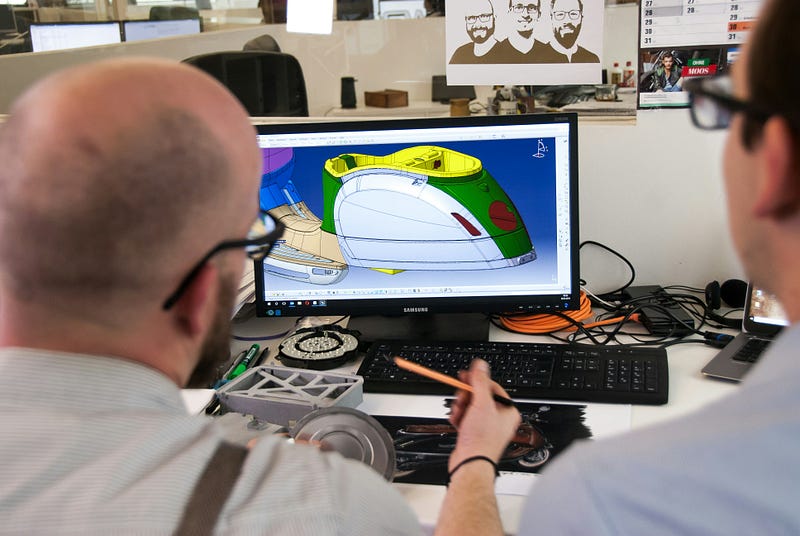
What are Modern Construction Methods?
Understanding modern construction methods is essential for any professional in the industry. Construction experts employ Modern Methods of Construction (MMC) and innovative building strategies to expedite construction. These techniques promote sustainability and help cut costs and shorten construction times by utilising prefabricated building components and thorough digital design.
Incorporating modern construction techniques can lead to more efficient project delivery. Modern construction methods employ both on-site and off-site techniques, and the specific process a construction firm uses depends on the project’s specifics. You should know the many cutting-edge approaches to modern infrastructure that experts now employ.
1. Augmented Reality and Virtual Reality
Virtual and augmented reality (VR and AR) technology revolutionises how construction workers perceive and test projects. With these technologies, construction professionals may produce virtual representations of completed projects that are accessible for examination and evaluation in a virtual setting. The application of modern construction technologies such as VR and AR can significantly enhance productivity.
One of the main advantages of VR and AR in construction is that they help improve teamwork and communication by enabling builders to test and see the project before work starts. By using a virtual project model to identify potential issues and raise standards, professionals in the construction field can enhance design and reduce the need for costly physical prototypes and the likelihood of errors during construction.

Virtual and augmented reality technologies help improve communication, collaboration, and productivity in the construction industry. By allowing builders to refine and test designs virtually, these technologies could significantly reduce construction time and costs.
Virtual Reality (VR) and Augmented Reality (AR) technologies are valuable tools in today’s construction industry. They allow experts to test and visualise projects in a virtual setting, increasing the process’s accuracy and efficiency. Therefore, these tools are critical in the modern construction landscape.
2. 3D Printing in Building
The revolutionary influence of 3D printing is a game-changer for the future of construction technology. Thanks to this technological marvel, the industry’s options for mass manufacturing have increased.
Computer models use materials layer by layer to create three-dimensional objects. This technique offers unparalleled creative flexibility, enabling the realisation of intricate geometries previously considered unachievable with conventional methods.
Further Reading: 3D Printing in Construction: 7 Innovative Ways It Is Transforming the Industry
3. Building Information Modelling
Another rapidly emerging cutting-edge technology in global building is BIM. It is essential for contemporary engineering, construction, and architectural processes. This technique enables the production of one or more accurate digital models of buildings with solid interoperability.

Further Reading: Why BIM (Building Information Modelling) Matters in Africa: An Essential Guide to Smarter Construction
4. Modular Construction
Modular construction technology has become a disruptive factor in the construction sector. This method creates building components in controlled settings off-site and subsequently assembles them on-site.
This novel approach to mass production guarantees uniform quality control for every structural component while simultaneously shortening project schedules.
Further Reading: Modular Construction in Africa: 7 Key Ways It Is Transforming Low-Cost Housing Projects
5. Innovative Construction Materials
The building sector is undoubtedly leading the way in using cutting-edge materials. As more sophisticated substitutes for conventional materials emerge, this industry is experiencing a revolution. The use of innovative materials is a cornerstone of modern construction practices.
Self-healing concrete has proven to be the most remarkable among these new developments. This clever substance uses microorganisms to automatically repair fractures that develop over time, a common problem with conventional concrete. In addition to self-healing concrete, several cutting-edge products are influencing the construction industry.
6. Drones
Recently, drones have become essential to infrastructural building technologies. These UAVs provide unparalleled site assessments and progress-tracking data.
These flying robots are changing how we see our workplaces, with high-resolution cameras and sensors that capture photos and videos from new angles. Drones might save billions in construction and other industries, according to experts. Therefore, drones play a vital role in modern construction, improving safety and efficiency.

Industry experts say mobile technologies, including drones, provide real-time data for effective resource tracking. This ability helps project managers remotely track progress. against initial plans and identify potential issues early, reducing risk factors associated with delays or budget overshoots and improving project management efficiency. The evolution of technology in modern construction facilitates better resource management.
Further Reading: Drones in Construction Site Inspections: 10 Innovations Improving Safety and Accuracy
Conclusion
Embracing digital transformation in modern construction has become a prerequisite rather than a mere option. The landscape has shifted with the emergence of innovative building technology. We must embrace the new era and work efficiently and effectively to achieve top-notch infrastructure marvels. Therefore, as a construction professional, adopting modern construction methods will help you deliver projects on time and put a smile on your client’s face.
Stay Ahead with Construction Frontier
Stay ahead of innovation in modern construction by exploring expert insights, technical analysis, and industry trends at Construction Frontier. Visit constructionfrontier.com to access in-depth guides and strategic perspectives that help you deliver smarter, safer, and more profitable projects.