
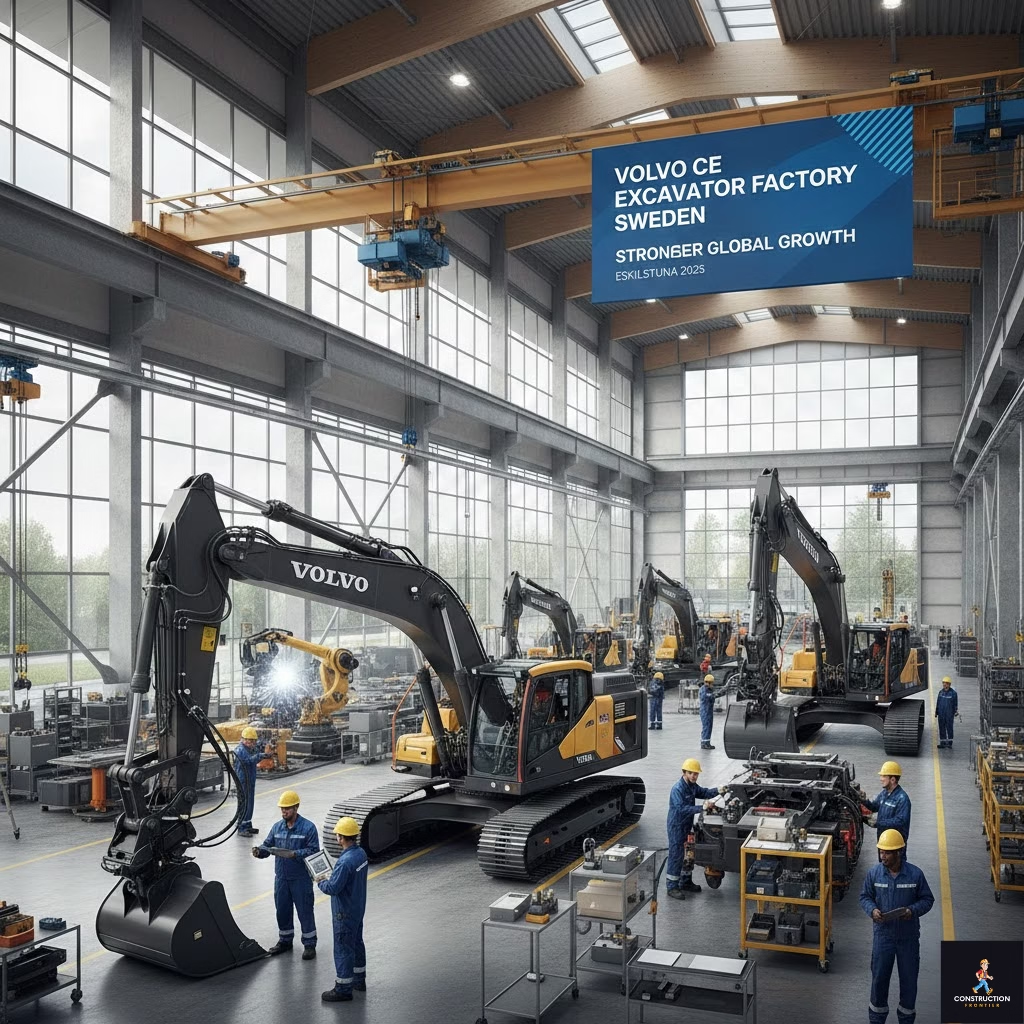
Volvo CE Excavator Factory in Sweden Signals Strong Growth
The Volvo CE excavator factory in Sweden reflects a strategic manufacturing expansion by Volvo Construction Equipment aimed at strengthening global production capacity, improving supply resilience, and supporting long-term growth in the global construction equipment market. The investment highlights how leading manufacturers are repositioning production closer to core markets while preparing for future demand shifts.
Volvo CE Excavator Factory Signals a Strategic Shift in Global Manufacturing
The Volvo CE excavator factory development in Eskilstuna, Sweden, marks more than a physical expansion of production capacity. It represents a deliberate strategic move by Volvo Construction Equipment to reinforce its manufacturing base at a time when the global construction equipment market faces structural change. This investment is a part of the 2.5 billion SEK (USD 275.7 million) investment announced in June 2025, dedicated to excavator manufacturing capabilities in Korea, Sweden, and the US.
Rising infrastructure demand, regional supply chain pressures, and the growing complexity of machine technology now influence where and how equipment manufacturers invest. Against this backdrop, the decision to expand excavator production in Sweden signals confidence, long-term planning, and a renewed focus on industrial resilience.
For industry stakeholders, the factory offers insight into how major manufacturers are reshaping production strategies to remain competitive in a changing global environment.
Volvo Construction Equipment Sweden and Its Industrial Significance
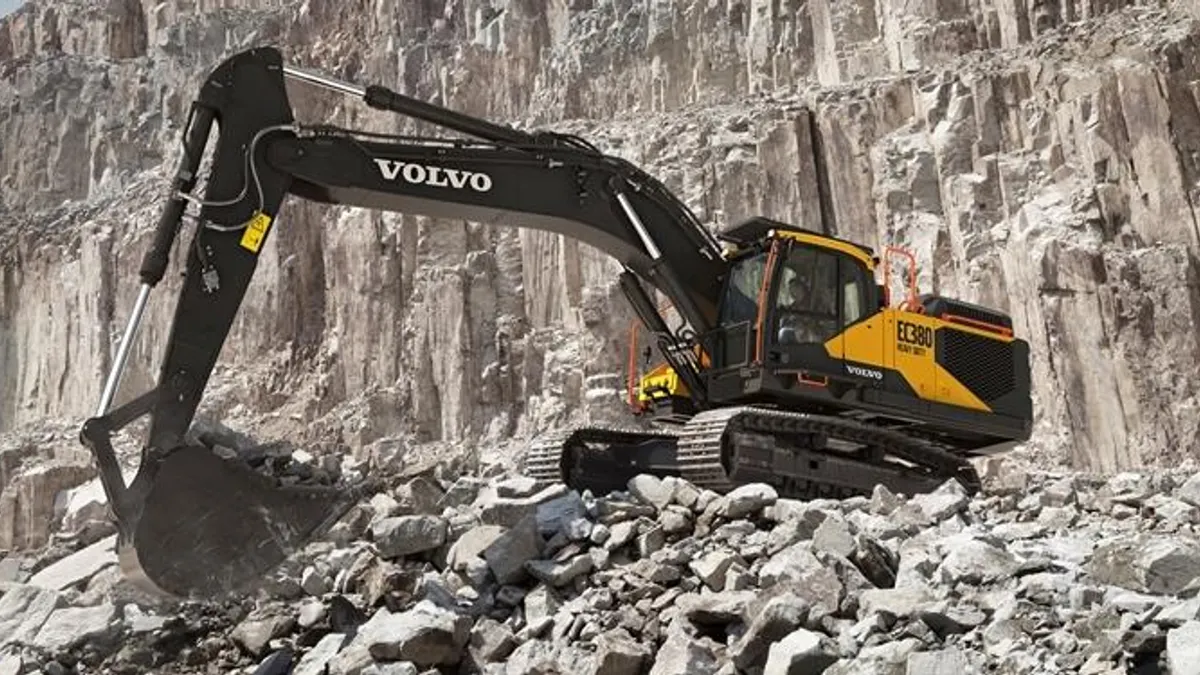
Volvo Construction Equipment Sweden has long served as a cornerstone of the company’s global manufacturing ecosystem. Sweden remains central not only to Volvo’s industrial heritage but also to its engineering philosophy, operational standards, and long-term innovation roadmap.
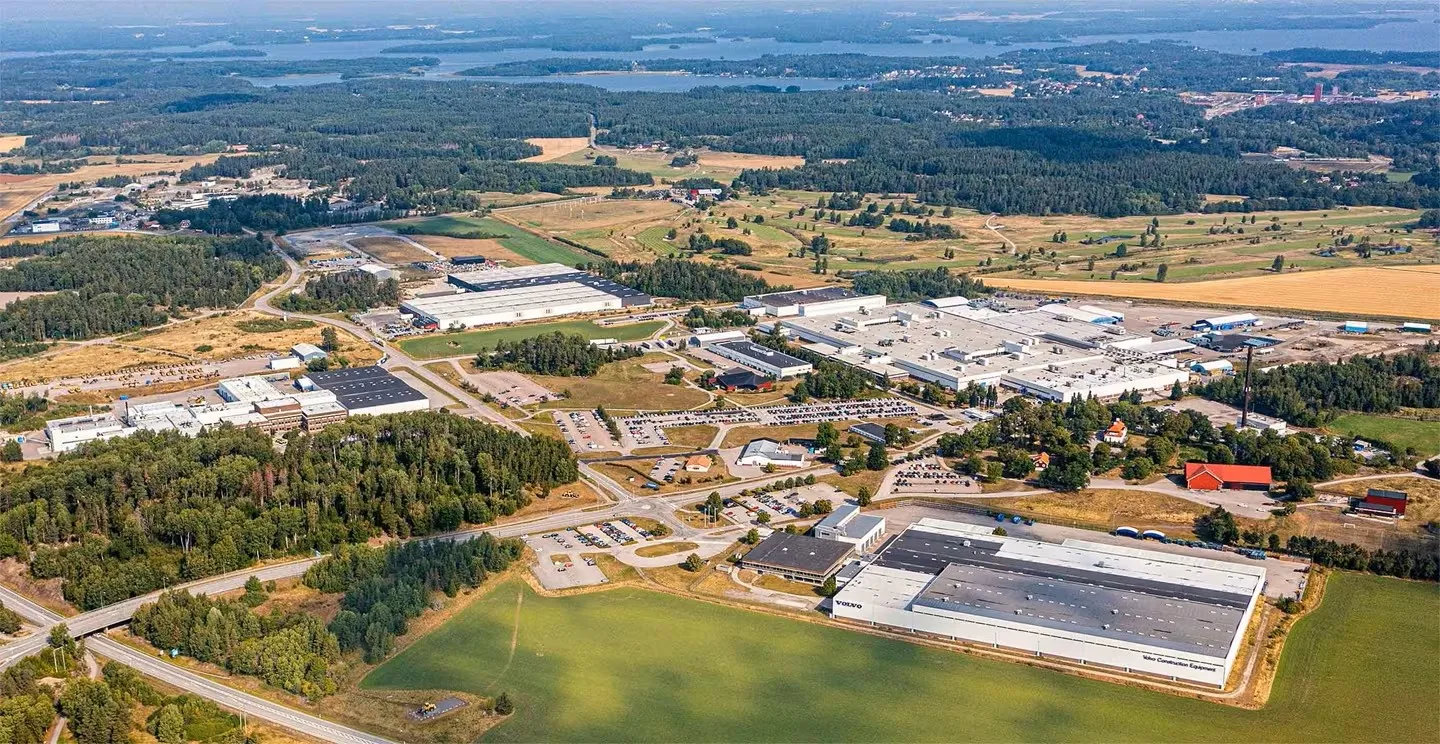
By strengthening its excavator factory footprint in Sweden and investing 700 million SEK (USD 77.2 million) in the facility construction, Volvo CE reinforces its commitment to high-value manufacturing in mature industrial markets. This approach contrasts with the assumption that future growth must rely solely on low-cost manufacturing regions.
Instead, the move suggests a more balanced production strategy that values proximity to engineering talent, supply chain stability, and regulatory alignment.
Why Volvo CE Builds a New Excavator Factory in Sweden
Understanding why Volvo CE builds a new excavator factory requires examining broader industry pressures rather than focusing solely on demand growth.
Global equipment manufacturers now operate in an environment shaped by emissions regulations, digital integration, and increasing customer expectations around machine uptime and lifecycle performance. These factors demand tighter integration between manufacturing, engineering, and quality control.
Locating advanced excavator production in Sweden allows Volvo Construction Equipment to shorten development cycles, improve manufacturing precision, and maintain closer alignment between design and production teams. This strategy prioritises long-term competitiveness over short-term cost optimisation, whereby they aim to assemble 3500 excavators ranging from 14 to 50 tonnes per annum.
Further Reading: Volvo’s Strategic Revamp: 70% Stake in SDLG Sold to Refocus on Premium Market
Volvo CE Manufacturing Expansion and Supply Chain Resilience
The Volvo CE manufacturing expansion also reflects lessons learnt from recent global supply chain disruptions. Construction equipment production depends on complex, international supplier networks that remain vulnerable to geopolitical tension and logistical bottlenecks.
By reinforcing manufacturing capacity in Sweden, Volvo CE improves supply chain resilience and reduces exposure to extended disruption. This approach supports consistent production schedules and improves delivery reliability for customers across Europe and other key markets.
In a market where equipment lead times increasingly influence purchasing decisions, production stability becomes a competitive advantage.
Excavator Factory in Sweden and the Global Construction Equipment Market
The excavator factory in Sweden plays a strategic role within the broader global construction equipment market, valued at USD 171.98 billion in 2025 and projected to grow to USD 183.27 billion in 2026. Excavators remain among the most critical and versatile machines across infrastructure, mining, energy, and urban development projects.
As global demand patterns shift, manufacturers must respond with flexible production systems capable of serving multiple regions. Sweden’s industrial infrastructure allows Volvo CE to scale output while maintaining high-quality standards. This positioning strengthens the company’s ability to respond to both cyclical demand and long-term structural growth.
Impact of Volvo CE Factory Expansion on European Manufacturing
The impact of the Volvo CE factory expansion extends beyond the company itself. The investment reinforces Europe’s relevance within global construction equipment manufacturing at a time when industrial competitiveness remains under scrutiny.
High-value manufacturing investments support skilled employment, supplier ecosystems, and technology transfer. For policymakers and industry observers, the move signals confidence in Europe’s ability to remain globally competitive in advanced industrial production. This perspective matters as regions compete to attract and retain strategic manufacturing assets.
Volvo Construction Equipment Production Strategy Explained
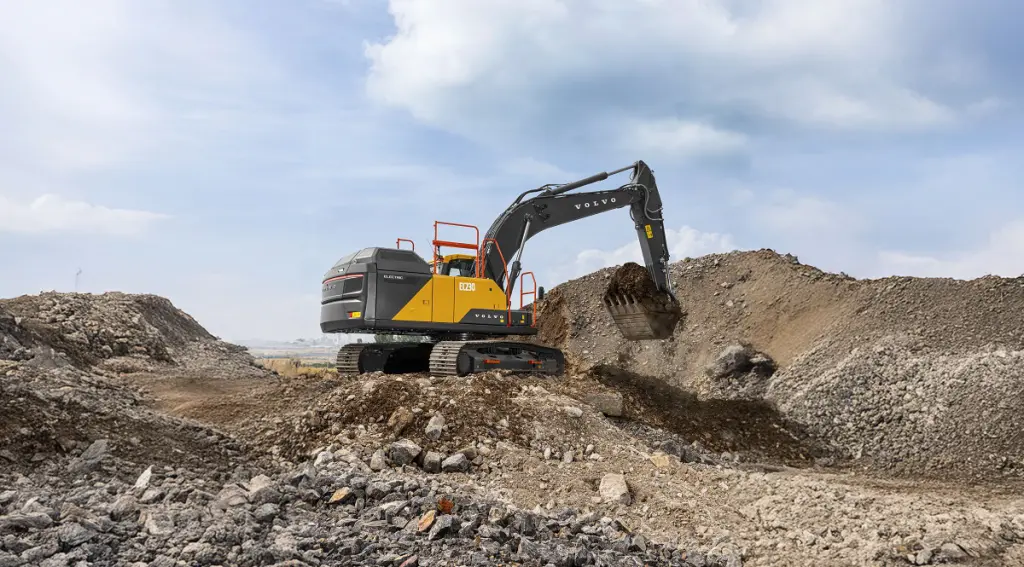
The Volvo Construction Equipment production strategy increasingly reflects diversification rather than concentration. Instead of relying heavily on a single production region, Volvo CE appears to balance manufacturing across mature and emerging markets.
Sweden plays a critical role in producing technologically advanced equipment, while other regions support volume-driven output tailored to local markets. This layered approach improves risk management and enhances responsiveness to regional demand fluctuations. The excavator factory investment fits squarely within this strategic framework.
Technology, Automation, and Manufacturing Efficiency
Modern excavator factories no longer focus solely on output volume. Automation, data integration, and process efficiency now define manufacturing competitiveness.
The Volvo CE excavator factory in Sweden supports advanced production techniques that improve consistency, reduce waste, and enhance quality control. These capabilities align closely with rising expectations for machine reliability and lifecycle performance.
From an industry standpoint, the factory reflects how manufacturing itself has become a strategic differentiator rather than a background operation.
What This Means for Contractors and Equipment Buyers
For contractors and fleet owners, the expansion offers tangible implications. Stable production capacity supports improved machine availability, predictable delivery timelines, and consistent specification standards.
Equipment buyers increasingly evaluate manufacturers based on long-term support rather than just purchase price. Manufacturing investment signals commitment to product continuity, parts availability, and ongoing development.
The Volvo CE excavator factory reinforces buyer confidence, particularly among large fleet operators and long-term infrastructure projects.
Further Reading: Why You Should Invest in Construction Machinery and Equipment
Competitive Implications for Construction Equipment Manufacturing
The expansion also carries competitive significance. As construction equipment manufacturing consolidates and capital requirements rise, manufacturers without the ability to invest at scale may struggle to keep pace.
Volvo CE’s decision to invest in Sweden underscores the importance of financial strength, strategic clarity, and long-term planning. Competitors may respond with their own capacity expansions, partnerships, or regional repositioning. The move adds momentum to an industry already undergoing structural change.
Volvo CE Global Manufacturing Growth Outlook
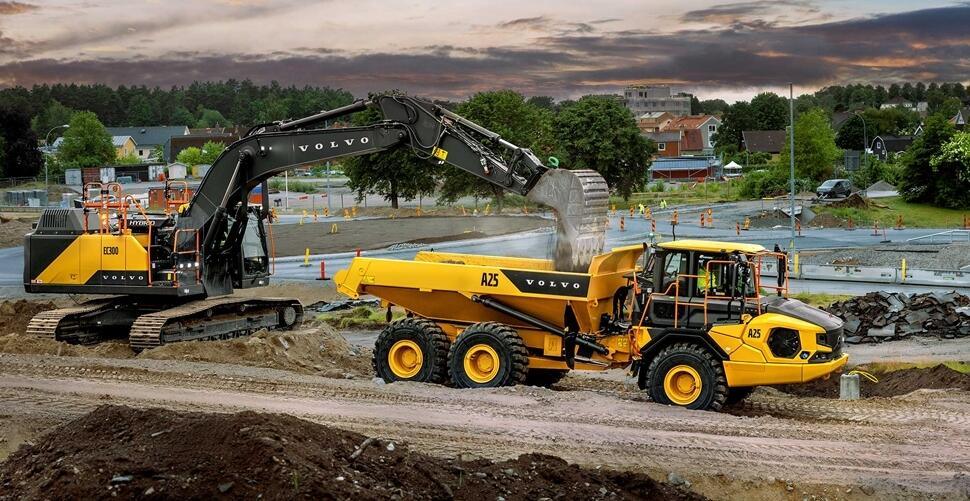
The Volvo CE global manufacturing growth trajectory now appears anchored in strategic balance rather than aggressive expansion alone. Investments target resilience, quality, and adaptability rather than sheer volume.
This approach positions Volvo CE to navigate uncertain market cycles while maintaining leadership in core equipment segments. As infrastructure demand evolves across regions, manufacturing flexibility becomes as valuable as capacity itself. The excavator factory investment strengthens that flexibility.
Risks, Execution Challenges, and Market Watchpoints
Despite the strategic logic, execution remains critical. Manufacturing expansions require disciplined project management, workforce development, and supplier alignment.
Cost control, operational ramp-up, and technology integration all influence whether projected benefits materialise. Market conditions may also shift faster than expected, testing demand assumptions.
Industry observers will closely track how Volvo CE translates manufacturing investment into market performance.
Looking Ahead: Manufacturing as a Strategic Signal
The Volvo CE excavator factory in Sweden sends a clear signal to the global construction industry. Manufacturing location, capability, and resilience now shape competitive positioning as much as product features.
As the global construction equipment market adapts to infrastructure demand, sustainability pressures, and technological change, manufacturers that invest strategically in production capacity gain a durable advantage. Volvo CE’s move reflects not just confidence in current demand but also a belief in the long-term relevance of high-quality, resilient manufacturing.
Stay Ahead of Global Construction Trends
Follow ConstructionFrontier.com for authoritative construction intelligence, industry-shaping analysis, and emerging market insights across Africa and global mega projects. We go beyond headlines to explain what industry moves mean for contractors, investors, and decision-makers to stay ahead of the industry.