
$13BN Plan to Transform Texas’ Deadliest Highway
A massive $13 billion infrastructure plan to transform Texas’ deadliest highway is set to reshape one of the most dangerous transportation corridors in the United States. The ambitious project will expand lanes, improve safety design, and modernise ageing infrastructure, aiming to reduce accidents, ease congestion, and support the region’s rapid economic and population growth.
The project focuses on reconstructing the Interstate 45 corridor in Houston, one of the most heavily used freight and commuter routes in Texas. Led by the Texas Department of Transportation, the initiative represents one of the largest highway safety infrastructure projects in the United States.
The $13BN Plan to Transform Texas’ Deadliest Highway
The reconstruction of Texas’ deadliest highway marks a major step in the state’s effort to modernise critical transportation infrastructure. The $13 billion Texas highway reconstruction project, centred on the I-45 highway improvement project in Houston, aims to address persistent safety risks, severe congestion, and outdated roadway design along one of the most heavily used corridors in the United States.
Led by the Texas Department of Transportation, the Texas highway expansion project forms part of a broader Texas infrastructure investment strategy focused on improving mobility, strengthening freight connectivity, and delivering long-term highway safety improvements across rapidly growing metropolitan regions.

Background of the Highway Safety Crisis
The corridor widely known as Texas’ deadliest highway has long been associated with high accident rates, heavy congestion, and infrastructure design limitations. Let’s explore deeper into they its the deadliest highway in the USA.
Why Is the Corridor Considered the Deadliest Highway in Texas
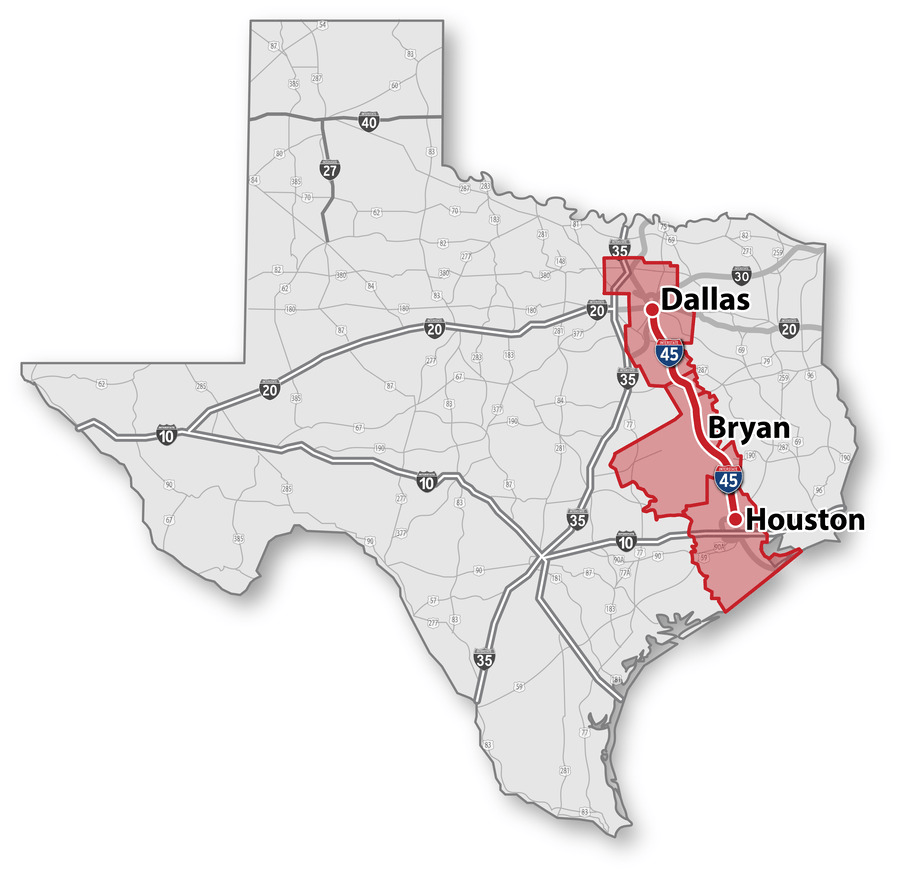
Running between Houston and Dallas, Interstate 45 measures a total distance of 284.91 miles (458.52 km). It carries a mix of commuter traffic, freight transport, and regional travel. Its strategic importance also contributes to its safety challenges.
Several factors explain why the highway consistently ranks among the most dangerous roads in the state:
- Extremely high daily traffic volumes.
- Heavy commercial trucking activity.
- Dense urban interchanges around Houston.
- Ageing infrastructure, originally designed for lower traffic demand.
Multiple transportation studies have identified I-45 as one of the most dangerous highways in the United States, particularly along the Houston metropolitan segment.
Accident Statistics and Fatality Trends
Crash data reveals the severity of the problem.
- I-45 records around 65 fatalities annually on average across its corridor.
- A recent analysis found 97 fatal crashes on the highway in 2023 alone, resulting in 105 deaths.
- National safety research has also ranked the highway among the deadliest roads in the U.S. by the number of fatal crashes per mile.
The concentration of accidents around Houston is particularly severe. According to crash records, the city reported over 65,000 traffic accidents in a single year, including more than 290 fatalities.
These statistics underscore why planners increasingly describe the I-45 corridor as a critical priority for highway safety improvements.
Traffic Congestion and Infrastructure Limitations
Rapid population growth has placed enormous pressure on the corridor. Houston’s metropolitan population has expanded dramatically over the past two decades, reaching 7.8 million, of which 2.3 million reside in Houston City, pushing commuter traffic far beyond the highway’s original design capacity.
Current challenges include:
- Bottlenecks at ageing interchanges
- Limited freight lanes.
- High-speed merging conflicts.
- Congestion during peak commuting hours.
Transportation engineers warn that without major reconstruction, congestion and crash risks will continue to escalate as regional growth accelerates.
Government Response and Strategic Infrastructure Planning on Texas’ deadliest highway
The Texas highway expansion project reflects a coordinated response between state and federal infrastructure agencies.
Role of the Texas Department of Transportation
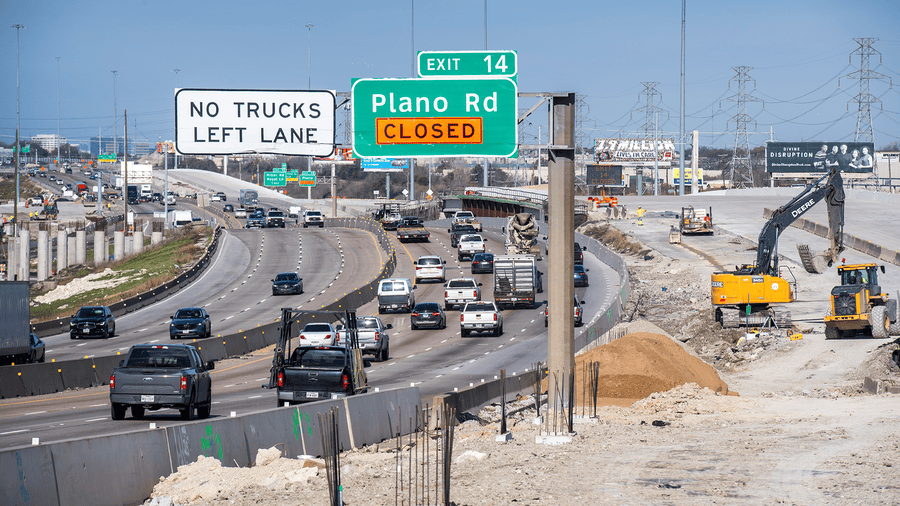
The Texas Department of Transportation (TxDOT) leads the design and delivery of the I-45 highway improvement project.
TxDOT’s strategy focuses on three primary objectives:
- Improve roadway safety through modern design standards.
- Expand highway capacity to accommodate population growth.
- Strengthen freight mobility along a key economic corridor.
The agency has described the reconstruction as one of the most complex urban highway projects currently underway in the United States.
Federal Infrastructure Support
The project also benefits from federal funding initiatives supported by the U.S. Department of Transportation and programs linked to the Infrastructure Investment and Jobs Act.
Federal involvement focuses on:
- Highway safety improvements.
- Freight mobility enhancements.
- urban congestion mitigation.
The funding framework reflects growing national recognition that major highways require large-scale modernisation rather than incremental upgrades.
Timeline for Planning and Approval
Planning for the corridor reconstruction began more than a decade ago.
Key milestones include:
- Environmental review and impact studies.
- Public consultations and route design revisions.
- Federal regulatory approvals.
- Phased funding allocations.
Construction phases are expected to continue over the next decade as different segments of the corridor are rebuilt.
Key Upgrades Planned for the Highway Transformation
The Texas highway expansion project introduces a wide range of infrastructure upgrades designed to address both safety concerns and long-term transportation demand. The reconstruction combines capacity expansion, intelligent transportation systems, and safety engineering improvements to modernise the corridor.

1. Expansion of Highway Lanes
One of the most significant upgrades involves expanding the number of highway lanes across key segments of the route.
a) Additional Lanes to Accommodate Traffic Growth
Traffic volumes along the corridor have grown dramatically due to:
- Houston’s population expansion.
- Increased suburban commuting.
- Rising freight transport activity.
To address this, the project includes adding multiple new traffic lanes in several sections of the corridor. The goal is to improve traffic flow and reduce congestion during peak travel periods.
b) Dedicated Lanes for Freight and Long-Distance Transport
Freight traffic accounts for a major share of vehicles on the corridor.

Engineering plans include:
- Dedicated freight movement lanes.
- Redesigned access ramps.
- Improved connections to logistics hubs.
These upgrades aim to reduce dangerous interactions between passenger vehicles and heavy trucks.
2. Improved Road Safety Infrastructure
Safety improvements represent one of the most important components of the project.
a) Modern Interchanges and Overpasses
Many of the existing interchanges were built decades ago and struggle to accommodate modern traffic volumes.
The reconstruction will introduce:
- Redesigned multi-level interchanges.
- Longer merging lanes.
- Improved traffic separation.
These design improvements aim to reduce collision risks in high-conflict areas.
b) Median Barriers and Crash Reduction Designs
Safety engineers are also introducing new crash mitigation features, including:
- Reinforced concrete median barriers.
- Improved guardrails.
- Wider shoulders.
These features help prevent crossover collisions, which often result in severe injuries or fatalities.
c) Advanced Traffic Monitoring Systems
New traffic monitoring technology will also be installed along the corridor.

Key features include:
- Real-time traffic cameras.
- Incident detection systems.
- Dynamic message boards for drivers.
These systems allow authorities to respond quickly to accidents and manage traffic flow more effectively.
3. Smart Transportation Technologies
Modern highway infrastructure increasingly relies on digital technologies.
a) Intelligent Traffic Management Systems
Smart traffic management systems will allow transportation authorities to monitor congestion in real time.
Using data analytics and sensor networks, the system can:
- Adjust traffic signals on feeder roads.
- Issue congestion alerts.
- Redirect traffic during incidents.
b) Digital Monitoring and Predictive Congestion Tools
Predictive analytics tools will be used to analyse traffic patterns and forecast congestion on the I-45 Highway, Texas’s deadliest highway, before it occurs. These capabilities help transportation planners improve mobility across the broader Houston metropolitan network.
Project Scale and Engineering Scope
The I-45 highway improvement project ranks among the largest urban highway reconstruction programmes in North America. Its engineering scope extends far beyond traditional road widening.
1. Length and Geographic Coverage
The project spans key segments of Interstate 45 that connect major urban and economic zones.
The corridor links:
- Houston’s central business district.
- Northern suburban growth areas.
- Freight logistics corridors connecting to Dallas.
This geographic reach explains why the route plays such a crucial role in regional commerce.
2. Construction Phases
Given the scale of the project, reconstruction will occur in multiple phases.
Key phases include:
- Interchange reconstruction.
- Lane expansion works.
- Bridge and overpass replacement.
- Integration of smart traffic systems.
Each phase will be implemented sequentially to minimise disruption to existing traffic.
3. Engineering and Design Challenges
Large urban highway projects inevitably face complex engineering challenges.
a) Land Acquisition and Right-of-Way Issues
Expanding the corridor requires additional right-of-way in densely populated areas.
This process involves:
- Property acquisition.
- Relocation planning.
- Coordination with local governments.
b) Managing Traffic During Construction
Keeping the corridor operational during construction represents one of the biggest logistical challenges for Texas’ deadliest highway, the I-45.
Engineers must carefully plan:
- Temporary traffic diversions.
- Phased lane closures.
- Night-time construction schedules.
These measures aim to minimise congestion during the reconstruction period.
Economic Impact of the Texas’ deadliest highway
Beyond safety improvements, the project also represents a major Texas infrastructure investment designed to support economic growth.
1. Boosting Regional Trade and Logistics
The corridor plays a vital role in freight transportation across the state.
It supports:
- Trucking routes linking Houston’s ports to inland markets
- Regional supply chains
- Interstate logistics networks
Improving the highway will strengthen these connections and reduce delays for freight operators.
2. Job Creation and Local Economic Growth
Large infrastructure projects generate significant economic activity.
The reconstruction is expected to create thousands of jobs across multiple sectors, including:
- Civil engineering
- Heavy construction
- Materials supply
- Equipment manufacturing
Local communities surrounding the corridor may also benefit from increased investment and improved accessibility.
Safety Improvements Expected From the Upgrade
Improving road safety remains the central objective of the highway safety infrastructure project.
1. Reducing Fatal Accidents
Redesigning the highway with modern engineering standards can significantly reduce crash risks.
Safety improvements include:
- Better lane separation.
- Improved sight distances.
- Redesigned ramps and merges.
Enhanced lighting and signage will also improve driver awareness at night.
2. Enhanced Emergency Response Infrastructure
The project also introduces new infrastructure designed to support emergency services.
Key improvements include:
- Dedicated emergency access lanes.
- Improved incident response zones.
- Coordination with local fire and rescue services.
These upgrades will enable faster emergency response during accidents.
Environmental and Urban Planning Considerations
Large infrastructure projects, such as Texas’ deadliest highway upgrade, must also address environmental and urban development concerns.
1. Environmental Impact Assessments
Comprehensive environmental studies guide the project’s design.
Mitigation measures include:
- Stormwater management systems.
- Noise reduction barriers.
- Ecological impact monitoring.
These strategies aim to reduce disruption to surrounding ecosystems and communities.
2. Urban Integration
The I-45 highway reconstruction also supports broader urban planning goals.
Improved highway connectivity will help integrate:
- Expanding suburban neighbourhoods.
- Employment centres.
- Regional transportation networks.
This integration supports more efficient mobility across the Houston metropolitan area.
Industry Context: Highway Megaprojects in the United States
The Interstate Highway System, much of which was constructed between the 1950s and 1970s, including I-45, now carries traffic volumes far beyond its original design capacity. As a result, transportation agencies across the country are undertaking major highway infrastructure projects to expand capacity and rebuild critical corridors.
Growing Investment in Transport Infrastructure
Federal infrastructure spending has increased significantly following the passage of the Infrastructure Investment and Jobs Act (IIJA) in 2021. The legislation represents the largest investment in U.S. transportation infrastructure in decades.
Key funding allocations include:
- Approximately $350 billion dedicated to federal highway programmes between 2022 and 2026.
- $62 billion distributed to states in fiscal year 2025 alone to fund road and bridge improvements nationwide.
- Expanded competitive grants supporting nationally significant highway and freight corridor upgrades.
The law funds a wide range of highway safety improvement projects, including:
- Interstate reconstruction.
- Bridge replacement.
- Freight corridor modernisation.
- Urban congestion mitigation projects.
Transportation analysts widely describe the current period as the beginning of an “infrastructure decade” for the United States, with thousands of projects already funded across all 50 states.
For state transportation agencies such as the Texas Department of Transportation, the legislation provides the financial framework needed to deliver large projects, such as the I-45 highway improvement project.
Comparison With Other Major U.S. Highway Projects
The reconstruction of the I-45 corridor in Houston joins a growing list of large transportation megaprojects currently underway across the country.
Examples of similar large-scale initiatives include:
I-10 Corridor Expansion – California
- Major widening and interchange reconstruction along key sections of Interstate 10.
- Designed to address congestion across Southern California’s logistics corridors.
I-4 Ultimate Project – Florida
- One of the largest highway redevelopment projects in the state of Florida.
- A multibillion-dollar reconstruction project of Interstate 4 through the Orlando metropolitan region.
I-35 Capital Express Project – Texas
- Large-scale expansion and redesign of Interstate 35 through Austin.
- Includes new managed lanes, rebuilt bridges, and improved urban mobility infrastructure.
These projects share several engineering characteristics with the $13 billion Texas highway reconstruction project:
- Reconstruction of ageing interstate corridors.
- Major interchange redesign.
- Expanded lane capacity.
- Integration of intelligent transportation systems.
Together, they illustrate how transportation agencies across the United States are shifting from incremental upgrades to full-scale corridor transformation projects designed to accommodate future mobility demand.
For contractors, engineers, and equipment manufacturers, this wave of infrastructure investment signals sustained demand for highway construction expertise, heavy equipment deployment, and advanced transportation engineering solutions.
What This Means for the Construction Industry
For contractors, engineers, and infrastructure investors, the project presents significant opportunities.
Opportunities for Contractors and Suppliers
Large highway projects typically involve multiple engineering and construction firms working across different phases.
Potential participants include:
- Civil engineering consultants.
- Highway construction contractors.
- Infrastructure technology providers.
These projects often attract national and international contractors with experience in delivering large transportation infrastructure projects.
Demand for Heavy Construction Equipment
The scale of the project will also drive demand for heavy construction machinery.
Key equipment categories include:
- Earthmoving equipment.
- Asphalt paving machines.
- Bridge construction machinery.
Materials supply chains for asphalt, concrete, and steel will also see increased demand.
What’s Next for the Texas Highway Transformation Project
The $13 billion Texas’ deadliest highway reconstruction project will continue progressing through detailed design and procurement phases.
Upcoming milestones include:
- Final design approvals.
- Contractor procurement.
- Phased construction launches.
Once complete, the reconstruction will form part of a long-term strategy to modernise Texas’ transportation network and reduce roadway fatalities.
Conclusion: The Future of Texas’ deadliest highway
The $13 billion plan to transform Texas’ deadliest highway represents one of the largest transportation infrastructure upgrades in the United States. By expanding capacity, modernising road design, and introducing advanced safety technologies, the project aims to reduce fatalities while strengthening a vital economic corridor connecting Houston with the rest of Texas.
For engineers, planners, and infrastructure investors, the I-45 corridor project also highlights the growing importance of large-scale highway modernisation as cities expand and traffic demand continues to rise.
Stay Updated on Global Infrastructure Projects
For more insights on major infrastructure developments, construction megaprojects, and engineering innovations worldwide, visit Construction Frontier, where industry professionals access expert analysis on the projects shaping the future of global construction.