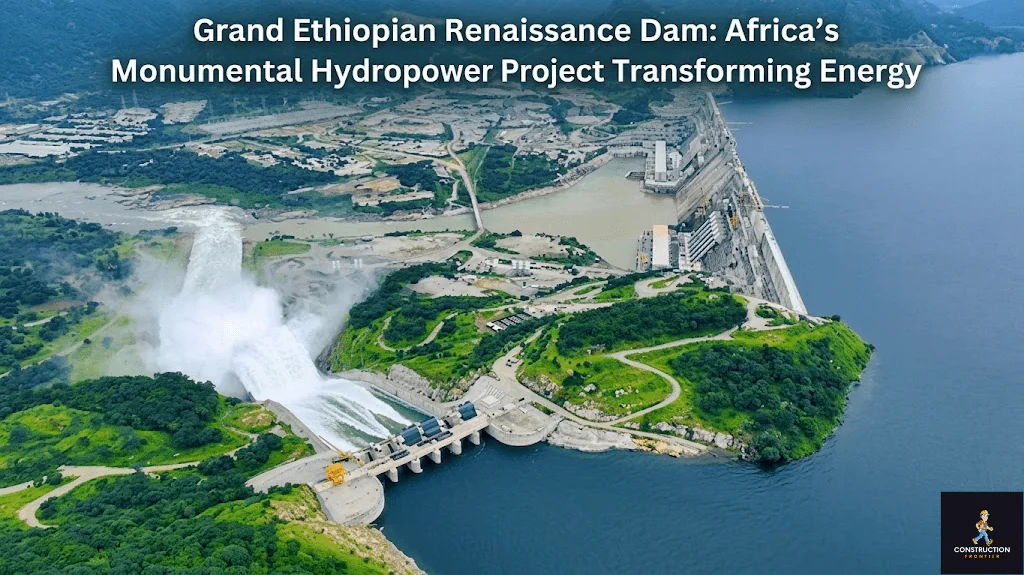
Grand Ethiopian Renaissance Dam: Africa’s Monumental Hydropower Project Transforming Energy
The Grand Ethiopian Renaissance Dam (GERD) stands as Africa’s largest dam and one of the most ambitious hydropower projects, engineered to generate over 6,000 MW of renewable electricity while transforming Ethiopia into a regional energy hub and reshaping geopolitical dynamics across the Nile Basin. As a flagship Ethiopia hydropower project, it integrates large-scale engineering, national development strategy, and continental energy transition priorities.
Technical Snapshot: Core Project Specifications
- Location: Blue Nile River, Benishangul-Gumuz, Ethiopia.
- Installed Capacity: ~6,000–6,450 MW.
- Dam Type: RCC (Roller-Compacted Concrete) Gravity Dam.
- Height: ~145-170 metres.
- Length: ~1,780 metres (5,840 feet).
- Reservoir Capacity: ~74 billion cubic metres.
- Annual Energy Output: ~15,000–16,000 GWh.
- Status: Phased commissioning underway.
The impact of the Grand Ethiopian Renaissance Dam on Africa’s energy extends beyond generation. It defines a structural shift in how Africa’s mega-dam infrastructure projects drive industrialisation, energy security, and long-term economic transformation.
Introduction: The Grand Ethiopian Renaissance Dam (GERD) in Ethiopia
The Grand Ethiopian Renaissance Dam (GERD Ethiopia) represents a strategic national project developed by Ethiopia to harness the hydropower potential of the Blue Nile. Positioned as the centrepiece of the country’s long-term energy strategy, this Nile River dam project addresses one of Africa’s most critical constraints: reliable and affordable electricity supply.
Within the broader landscape of hydropower projects in Africa, the Grand Ethiopian Renaissance Dam stands apart in both scale and intent. Sub-Saharan Africa continues to face significant electrification gaps, with more than 600 million people lacking access to power according to the World Bank. Ethiopia’s response through the construction of the Ethiopian Renaissance Dam reflects a deliberate move to position itself as a regional energy exporter.
For engineers, policymakers, contractors, and investors, understanding the GERD Ethiopia construction progress and capacity provides critical insight into the execution of large-scale infrastructure in emerging markets. The project encapsulates engineering complexity, geopolitical negotiation, financing innovation, and long-term strategic planning. This article provides a comprehensive, technically rigorous exploration of the Grand Ethiopian Renaissance Dam, explaining not only how it is built but also why it matters at a continental scale.
GERD Project Location and Hydrological Context
The success of the Grand Ethiopian Renaissance Dam depends fundamentally on its hydrological context. This section examines the geographic positioning, basin dynamics, and engineering implications of water flow along the Blue Nile, which underpins the entire Nile River dam project.
Geographic Position on the Blue Nile
The Grand Ethiopian Renaissance Dam is located in the Guba Woreda of the Benishangul-Gumuz Region, western Ethiopia, near the Sudanese border (15km), on the Blue Nile, also known as the Abay River. This river contributes approximately 80–85% of the total Nile flow, making it the most hydrologically significant tributary in the Nile Basin.
- Hydrological Significance & Contribution: The Blue Nile provides ~85% of the main Nile’s flow at Aswan, and at the GERD site specifically, the Mean Annual Flow (MAF) is approximately 48.8-50 billion cubic metres (BCM). This represents roughly 60–65% of the total annual flow of the entire Nile Basin concentrated at one point of discharge.
- Topographic Advantage (The “Drop”): The site takes advantage of a dramatic elevation change. The river descends from the Lake Tana sub-basin (~1,800 m a.s.l.) to the dam site’s riverbed elevation of approximately 500 m a.s.l. This high head potential is critical to the efficiency of the 13 vertical Francis turbines, which operate at a design head of 140–147 metres.
- Catchment Characteristics: The dam commands a massive catchment area of approximately 172,250. The flashy nature of this basin, characterised by a highly seasonal hydrograph, sees flows surge from a dry-season low of ~200 to a peak monsoon discharge exceeding 6,000 in the August–September period.
- Geological Foundation: For structural engineers, the location was selected for its Precambrian basement complex, which is predominantly high-grade gneisses and schists. This provides a competent, low-permeability foundation necessary to support the 10.7 million of roller-compacted concrete (RCC) and the resulting 74 BCM hydrostatic load.
- Strategic Transboundary Bottleneck: Positioned just upstream of the Roseires Reservoir in Sudan, at ~480 m a.s.l., the GERD serves as a primary flow regulator for the lower basin. This proximity allows for high-precision cascade management, reducing siltation at Roseires by an estimated 90% and enabling year-round irrigation in the Gezira Scheme.
This geographical positioning gives GERD Ethiopia strategic control over a substantial portion of the Nile’s upstream water resources. For engineers, the location offers a combination of high elevation drop and strong seasonal flow, both of which are essential for efficient hydropower generation.
Basin Hydrology and Hydrodynamic Flow Characteristics
The Blue Nile Basin (Abay) is defined by extreme monsoonal seasonality, primarily driven by the migration of the Intertropical Convergence Zone (ITCZ). For hydraulic engineers and hydrologists, managing this interannual variability is the core operational challenge of the Grand Ethiopian Renaissance Dam (GERD).
1. Hydrometric Profile and Seasonal Discharge
The basin’s hydrology features a flashy hydrograph, with approximately 80% of the annual discharge occurring between July and September.
- Mean Annual Flow (MAF): Calibrated at the Guba border station between 48.8 and 49.4 billion cubic metres (BCM).
- Peak Discharge (Kiremt Season): During the monsoon, inflows can exceed 6,000 m³/s, requiring robust spillway attenuation.
- Low-Flow Recession (Bega Season): Discharge frequently drops below 200 m³/s, requiring the GERD’s 74 BCM storage capacity to maintain sufficient power and consistent generation year-round.
2. Sediment Transport and Morphological Impact
According to ResearchGate, the Blue Nile has one of the highest specific sediment yields globally, estimated at 150–250 million tonnes annually at the dam site.
- Trap Efficiency: The GERD is engineered with a sediment-trap efficiency exceeding 90%, protecting downstream infrastructure such as Sudan’s Roseires and Sennar dams from siltation.
- Mechanical Integrity: To counter the abrasive nature of the silt’s high quartz content, the 13 Francis turbines utilise specialised anti-erosion coatings, e.g., high-velocity oxygen fuel (HVOF), to extend the mean time between overhauls (MTBO).
Engineering Infrastructure for Water Dynamics
The Grand Ethiopian Renaissance Dam construction integrates advanced structural measures to mitigate risks associated with the Nile’s volatile water dynamics and ensure long-term hydraulic efficiency.
1. Flood Control and Spillway Design
To manage a probable maximum flood (PMF) calculated at an inflow of 30,200 m³/s, the GERD utilises a tripartite safety system:
- Gated Service Spillway: Located on the left bank, designed for high-precision discharge during peak monsoon surges.
- Emergency Side-Channel Spillway: Situated on the Concrete-Faced Rockfill Dam (CFRD) saddle to prevent overtopping of the main RCC structure.
- Un-gated Crest Spillway: An automated safety buffer for extreme hydrological events, ensuring structural stability without manual intervention.
2. Reservoir Sizing and Energy Resilience
The reservoir, Nigat Lake, spanning 246 km, serves as a multi-year regulatory buffer, allowing Ethiopia to manage dry-year cycles without halting power production.
- Active Storage: With a live storage of 59.2 BCM and maximum storage of 74 BCM, the dam maintains a high hydraulic head (~140 m) even during successive drought years.
- Evaporation Mitigation: Sophisticated stochastic modelling is employed to optimise reservoir levels, ensuring that evaporation losses estimated at ~3% of total storage do not compromise the 5,150 MW installed capacity.
- Downstream Regulation: By smoothing seasonal peaks, the engineering design provides a constant, regulated flow to downstream hydroelectric plants, increasing their efficiency by up to 20%.
The GERD’s Engineering Design and Structural Specifications
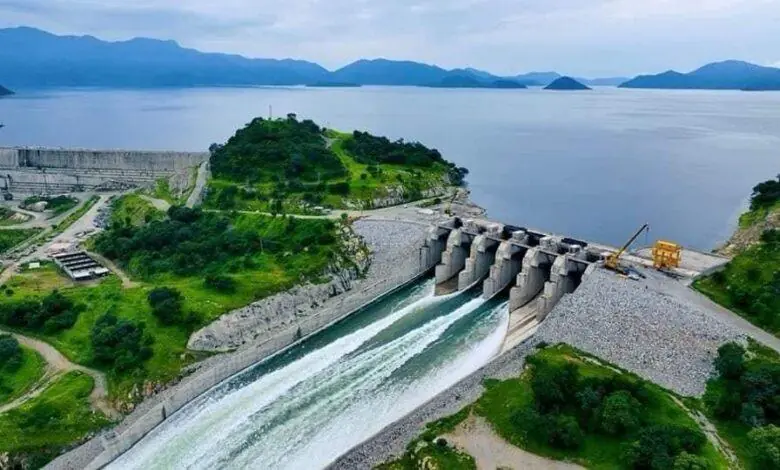
The Grand Ethiopian Renaissance Dam (GERD) represents the pinnacle of modern hydraulic engineering, specifically optimised for high-head hydropower generation in a tropical highland environment. Its structural configuration is a hybrid system engineered to balance hydrostatic stability, cost-efficiency, and long-term hydraulic performance.
1. RCC Gravity Dam Design Framework
The primary barrier is Roller-Compacted Concrete (RCC), a construction methodology optimised for the rapid deployment of massive volumes of concrete. As the core of Africa’s largest dam project, the RCC approach facilitated continuous, horizontal layer placement, significantly compressing the construction timeline compared to traditional mass-concrete methods.
This technical framework provides the GERD with superior structural parameters:
- High Hydrostatic Resistance: The gravity-based design leverages the sheer mass of the 10.7 million m³ of concrete to counteract the horizontal thrust of a 74 BCM reservoir.
- Thermal Gradient Management: By utilising lower water-to-cement ratios and pozzolanic admixtures, the design mitigates the heat of hydration, preventing thermal cracking within the dam’s interior, a critical factor in the sub-Saharan climate.
- Logistical Efficiency: The deployment of heavy machinery, including high-speed conveyors and vibratory rollers, enabled peak placement rates exceeding 7,000 m³ per day, setting a benchmark for mega-dam infrastructure projects.
2. Structural Dimensions and Volumetric Capacity
The physical scale of the GERD places it within the top tier of global mega-infrastructure projects.
- Crest Dimensions: The main structure is 145 to 155 metres tall from the ground, and the crest is about 1,780 metres long.
- Nigat Lake Storage: The reservoir impounds approximately 74 billion cubic metres (BCM) at a full supply level (FSL) of 640 metres above sea level.
- Hydrological Scale: This storage volume is nearly twice the mean annual flow of the Blue Nile, making the dam a multi-year regulator that exceeds the capacity of most existing hydropower projects in Africa.
3. Reservoir and Saddle Dam (CFRD) Configuration
To accommodate the Guba Valley’s topography and prevent reservoir flanking, the design incorporates a secondary saddle dam.
- CFRD Technology: This 5 km long auxiliary structure is a concrete-faced rockfill dam that reaches a height of roughly 50 metres.
- Containment Integrity: The CFRD features a sophisticated grout curtain and a reinforced concrete face slab, ensuring zero-seepage through the volcanic lithology of the left-bank depression.
- Operational Synergy: This dual-dam configuration maximises the live storage available for the 13 Francis turbines, providing a consistent hydraulic head for peak power output.
4. Spillway Systems and Flood Control Engineering
To ensure structural resilience against the Nile’s volatile hydrology, the GERD integrates a redundant tripartite spillway system capable of managing a probable maximum flood (PMF) of over 30,200 m³/s.
- Gated Service Spillway: Located on the left bank, these radial gates provide high-precision control over downstream discharges and reservoir levelling.
- Auxiliary Free-Flow Spillway: A central overflow section designed for automatic activation if water levels exceed safety thresholds, preventing overtopping of the main RCC body.
- Emergency Side-Channel Spillway: Situated near the saddle dam, this structure provides a final fail-safe for extreme hydrological events, protecting the dam’s integrity and the interconnected regional power grid.
The GERD’s Electromechanical Systems and Energy Dispatch Infrastructure
The Grand Ethiopian Renaissance Dam (GERD) represents the primary catalyst for Ethiopia’s transition into a regional power hub. Following its official inauguration on September 9, 2025, the facility reached full operational status, doubling the nation’s prior electricity generation capacity.
1. Advanced Turbine Configuration and Installed Capacity
The plant’s generating fleet underwent a critical design revision during construction, moving from an initial 16-turbine plan to a finalised 13-unit configuration.
- Total Installed Capacity: The facility can produce 5,150 MW of renewable energy, making it the largest hydroelectric project in Africa.
- Unit Specification:
- Early Generation Units (Units 9 & 10): Located on the right bank, facing downstream, these two 375 MW Francis turbines were the first to be commissioned due to their ability to operate at lower hydraulic heads (59 m).
- Standard Main Units (Units 4–8 & 11–16): The remaining 11 vertical Francis turbines are rated at 400 MW each, optimised for a design net head of approximately 74.5 m.
- Dynamic Load Balancing: As of early 2026, the plant maintains a frequency stability of ~49.92 Hz, indicating high integration quality with the domestic and regional grids.
2. Integrated Powerhouse Design and Layout
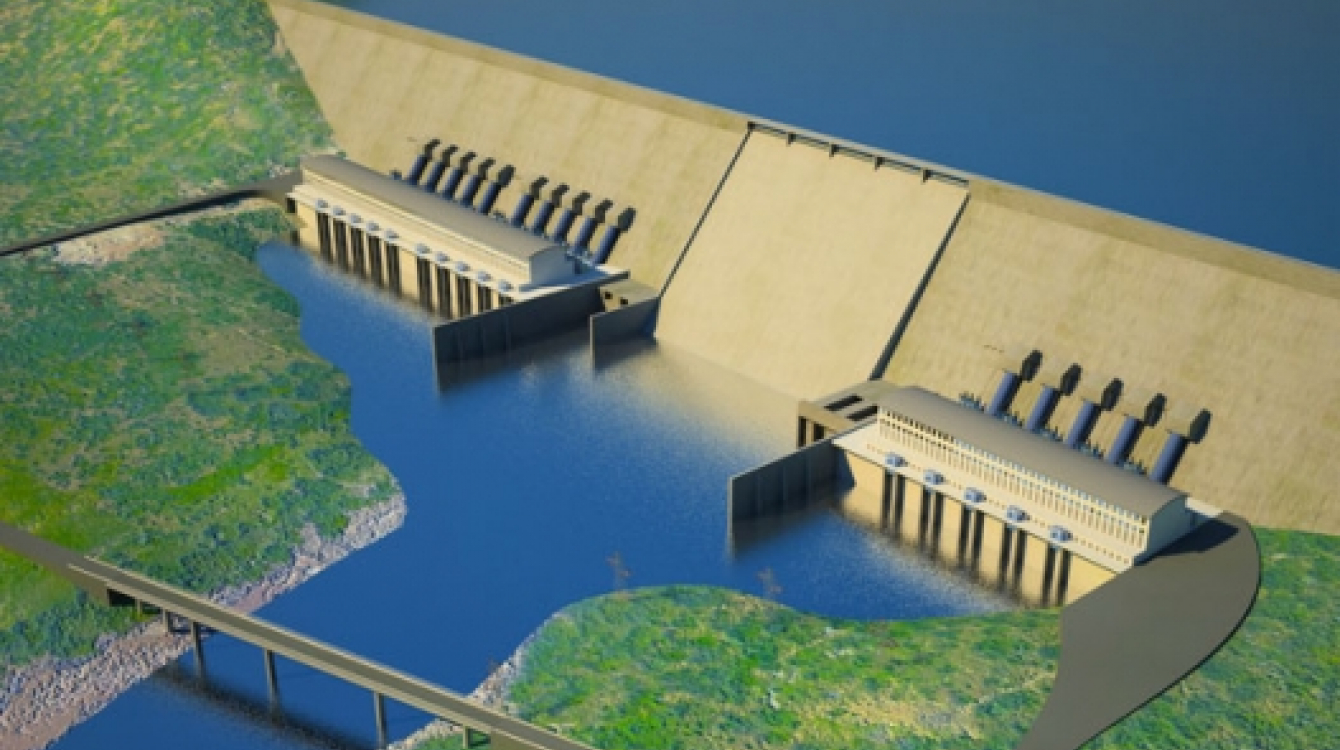
The GERD features two distinct powerhouses at the base of the main dam to maximise hydraulic efficiency and structural integrity.
- Right Bank Powerhouse: Houses seven units (4 through 10).
- Left Bank Powerhouse: Accommodates six units (Units 11-16).
- Penstock Engineering: Water is delivered via high-pressure steel penstocks. The system has a diameter of 8.5 metres and feeds directly into the turbine housings, converting kinetic energy with minimal friction loss.
- Maintenance Optimisation: Unit 10 is frequently utilised for routine weekly maintenance rotations to ensure the facility remains 100% ready for peak-demand surge management.
3. Regional Grid Integration and 500kV Transmission
The facility is the core node of the Eastern Africa Green Power Transmission Network, enabling high-capacity energy trade across the East African Power Pool (EAPP).
- Backbone Infrastructure: Power is evacuated through the GERD-Dedessa-Holeta project, a double-circuit 500 kV high-voltage line designed for an ultimate transfer capacity of 2,000 MW.
- Regional Export Milestones:
- Kenya: An established 500 kV interconnection facilitates the sale of up to 400 MW, representing over 10% of Kenya’s national demand.
- Sudan & Djibouti: Ongoing supply agreements leverage the dam’s proximity to the border to stabilise Sudan’s grid frequencies and reduce Djibouti’s reliance on thermal power.
- Substation Capacity: The Holeta Substation acts as the primary distribution hub, equipped with 750 MVA transformers that step down power for domestic consumption in Addis Ababa and industrial zones.
4. Annual Energy Output and Performance Metrics
The project’s actual energy yield is determined by the hydrological status of Nigat Lake and coordinated basin management.
- Design Generation: The plant is engineered for an average annual production of 15,700-15,760 GWh.
- Capacity Factor: While GERD’s standard hydropower capacity factors range around 28–30%, the multi-year reservoir allows for significantly higher, more consistent energy output during dry cycles than run-of-river alternatives.
- Carbon Offset: By displacing fossil fuel generation across East Africa, the GERD serves as a primary driver for the African Union’s Agenda 2063 decarbonisation goals.
The GERD’s Construction Methodology and Execution Strategy
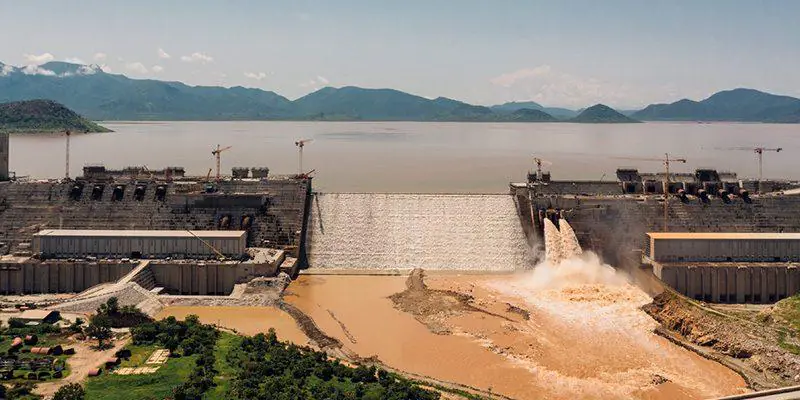
The Ethiopian Renaissance Dam construction represents one of the most complex large-scale hydropower execution strategies undertaken in Africa. Engineers structured the project around high-volume RCC placement, phased hydraulic control, and integrated electro-mechanical deployment, enabling continuous progress despite logistical and geopolitical constraints. The construction progress and capacity of the GERD in Ethiopia showcase the ability to synchronise coordinated civil, electrical, and hydrological systems on a continental scale.
Phased Construction Approach
Engineers implemented a multi-stage construction sequence designed to maintain structural integrity while allowing concurrent work across civil and electro-mechanical systems.
Phase I
The first phase focused on river diversion, enabling dry working conditions for foundation excavation. Diversion channels and cofferdams redirected the Blue Nile flow, allowing engineers to stabilise the riverbed and prepare the foundation.
Phase II
The second phase involved foundation treatment and base slab construction, including grouting operations to enhance bearing capacity and reduce seepage. This stage ensured long-term structural stability for what would become Africa’s largest dam.
Phase III
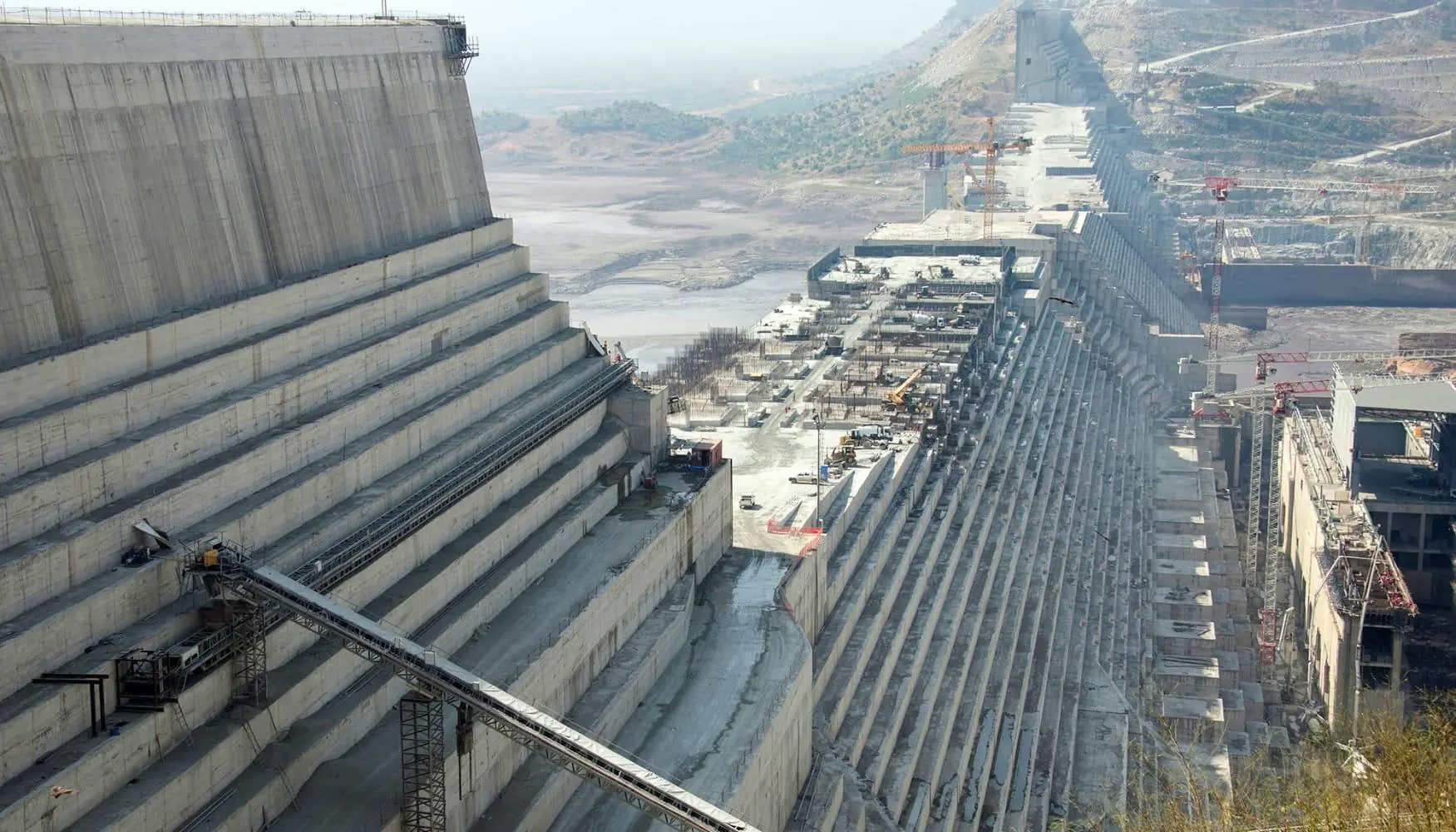
The third phase focused on progressive RCC placement, where the dam body was raised in successive horizontal layers. This method allowed simultaneous work across multiple elevation zones, accelerating construction timelines.
Phase IV
Finally, engineers transitioned to electromechanical installation and commissioning, integrating turbines, generators, and transmission systems, while civil works continued. This overlap significantly reduced the overall project duration, a key factor in the Grand Ethiopian Renaissance Dam’s impact on Africa’s energy.
RCC Technology and Material Logistics
The Grand Ethiopian Renaissance Dam relies on one of the largest RCC applications globally, with approximately 10 million cubic meters of concrete placed during construction.
RCC technology provided several technical advantages:
- Rapid placement rates exceeding 23,000 m³ in 24 hours, achieving global records during peak construction.
- Reduced cement content compared to conventional concrete, lowering thermal cracking risk.
- High compaction density using vibratory rollers improves structural durability.
Material logistics presented a major challenge due to the remote project location. Engineers addressed this challenge by establishing on-site batching plants to ensure continuous RCC supply and quality control. Aggregate sourcing relied heavily on local materials, reducing transportation expenses and aligning with Ethiopia’s domestic resource strategy.
The integration of digital construction technologies, including drone mapping and satellite monitoring, enhanced placement accuracy and structural monitoring, reinforcing the dam’s long-term reliability.
Workforce Structure and Technical Expertise
The construction workforce exceeded 25,000 employees, including engineers, technicians, and skilled labourers. This large-scale human resource deployment reflects the complexity of hydropower projects in Africa.
The workforce structure followed a tiered model:
- Senior engineers and project managers oversaw design execution and quality assurance.
- Technical specialists handled RCC placement, turbine installation, and instrumentation.
- Local labour-supported material handling, logistics, and auxiliary tasks.
The project combined local capacity development with international expertise, particularly in advanced RCC engineering and turbine integration, as we will cover in the next section. This hybrid model strengthened Ethiopia’s long-term engineering capabilities while ensuring adherence to global standards.
Principal Contractors and Strategic Partnerships
The GERD project utilised a hybrid delivery model, integrating Tier-1 international contractors with Ethiopian state-owned enterprises to facilitate technology transfers during the construction of high-capacity dams.
1. Civil Engineering and Main Infrastructure
The primary civil works, including the main RCC gravity dam and the 5 km long saddle dam, were executed by:
- Webuild S.p.A. (formerly Salini Impregilo): The Italian industrial group served as the lead EPC (Engineering, Procurement, and Construction) contractor. Webuild Group leveraged its global expertise in Roller-Compacted Concrete (RCC) to manage the massive volumetric placement and structural integrity of the main barrier.
- METEC (Metals and Engineering Corporation): METEC is an Ethiopian government-owned company that was originally responsible for the steel structures related to electrical and hydraulic systems, but after a big contract change in 2018, its duties were handed over to international experts.
2. Electro-Mechanical and Turbine Systems
Following the 2018 restructuring, Ethiopia engaged a triple threat of global power specialists to ensure the reliability of the 13 Francis turbines:
- GE Renewable Energy (GE Vernova): Contracted to provide and install five of the 400 MW turbines and generators, including the two units (Units 9 and 10) that spearheaded the dam’s initial power generation.
- Voith Hydro: The German-based hydropower leader was responsible for supplying and installing six additional generating units, including control systems and critical mechanical components.
- Sinohydro & China Gezhouba Group (CGGC): These Chinese state-owned enterprises were instrumental in the construction of 500 kV switchyards and high-voltage transmission lines, as well as the completion of complex hydraulic steel structures (gates and penstocks).
3. Consultancy and Project Oversight
To ensure adherence to international safety and engineering standards, Ethiopia employed a joint venture of European consulting firms.
- Tractebel Engineering (Belgium) & Coyne et Bellier (France): This consortium served as the primary project consultant, providing design verification, technical auditing, and quality control throughout the construction lifecycle.
- ELC Electroconsult (Italy): Provided additional technical supervision, specifically focusing on the integration of the powerhouses and national grid synchronisation.
4. Local Capacity and Socio-Economic Integration
The project served as a live laboratory for Ethiopia’s domestic engineering sector:
- Ethiopian Electric Power (EEP): EEP was responsible for the complex logistics of a site that, at its busiest, had more than 10,000 workers, 90% of whom were Ethiopian citizens.
- Technology Transfer: The partnership between Webuild and local subcontractors allowed for the upskilling of thousands of Ethiopian engineers in advanced RCC placement and geotechnical monitoring, strengthening the nation’s capacity for future “mega-dam” infrastructure projects.
Construction Challenges and Engineering Solutions
The Grand Ethiopian Renaissance Dam encountered multiple high-risk challenges, each requiring targeted engineering solutions.
1. Remote Location and Infrastructure Constraints
The dam site lies in a relatively undeveloped region, requiring the construction of access roads, power supply systems, and temporary facilities. Engineers developed on-site infrastructure to support continuous operations, effectively creating a self-sufficient construction ecosystem.
2. Hydrological Variability
Seasonal flooding posed risks to construction progress. Engineers mitigated this by staging river diversions and adaptive scheduling, ensuring RCC placement aligned with low-flow periods.
3. Material Supply Chain Complexity
Transporting large volumes of cement and aggregates required coordinated logistics. The use of local materials and on-site batching reduced dependency on long-distance supply chains.
4. Political and Financial Constraints
Unlike many of Africa’s mega-dam infrastructure projects, the GERD in Ethiopia was largely self-financed. This introduced cash flow constraints but also enabled Ethiopia to maintain strategic control over project execution.
The solutions applied demonstrate how Ethiopia’s hydropower project execution can overcome structural limitations through engineering innovation and operational discipline.
Explore project execution challenges: Discover 10 Critical Project Management Challenges in African Infrastructure
The Dam’s Construction Timeline and Key Milestones
The timeline of the Grand Ethiopian Renaissance Dam reflects a carefully sequenced progression of civil, hydraulic, and electro-mechanical milestones. The GERD Ethiopia construction progress and capacity evolved through clearly defined phases, each contributing to the dam’s current operational status.
Project Initiation and Early Works (2011–2013)
Construction officially began in April 2011, marking the start of one of the most ambitious Nile River dam projects in history.
Early works focused on:
- Site clearing and geotechnical investigations.
- River diversion infrastructure.
- Initial excavation and foundation preparation.
By 2013, approximately 30% of the Ethiopian Renaissance Dam construction project had been completed, including significant progress in RCC placement and site infrastructure development.
Major Structural Milestones (2014–2020)
Between 2014 and 2020, construction accelerated significantly, driven by high-volume RCC placement and improved logistics.
Key achievements during this phase include:
- Rapid elevation of the main dam wall through continuous RCC placement.
- Completion of saddle dam structures.
- Installation of early electromechanical components.
The project achieved global recognition for RCC efficiency, reinforcing its position among Africa’s mega-dam infrastructure projects.
Reservoir Filling Phases (2020–2024)
Reservoir filling represents one of the most critical phases in the Ethiopian Renaissance Dam construction, directly influencing downstream hydrology and geopolitical dynamics.
The filling occurred in staged phases:
- First filling (2020): Initial impoundment began, gradually raising water levels.
- Second filling (2021): Increased storage capacity while maintaining downstream flow.
- Third and fourth fillings (2022–2023): Progressive reservoir expansion.
- Final filling phase (2024): the reservoir approached its full capacity of ~74 billion cubic meters.
This staged approach reflects a deliberate strategy to balance energy generation with regional water stability, a central issue in the Nile River dam dispute between Egypt, Ethiopia and Sudan.
Electro-Mechanical Commissioning and Power Generation (2022–2025)
The transition from construction to operation began in February 2022, when the dam generated electricity for the first time, delivering approximately 375 MW to the grid.
Subsequent milestones include the following:
- Commissioning of additional turbines in 2022 and 2024.
- Gradual increase in installed capacity.
- Integration into Ethiopia’s national grid.
By 2024–2025, multiple turbines were operational, with total capacity progressively approaching 5,150 MW, reinforcing the Grand Ethiopian Renaissance Dam’s impact on Africa’s energy.
Current Status and Operational Progress
As for the latest verified updates:
- Construction reached over 95% completion by 2024, with civil works nearing full completion.
- Reservoir levels approached maximum operational capacity.
- Additional turbines continue to come online in phases.
The dam is now transitioning from construction to full operational status, positioning it as a cornerstone of Ethiopia’s energy infrastructure.
Economic Impact: How GERD Will Transform Ethiopia’s Economy
The Grand Ethiopian Renaissance Dam operates as a structural economic lever rather than a standalone energy project. It directly addresses Ethiopia’s binding constraint of electricity scarcity, which historically has limited industrial output, suppressed productivity, and constrained export competitiveness. The benefits of the Grand Ethiopian Renaissance Dam for Ethiopia therefore emerge through energy-led industrialisation, regional trade expansion, and macroeconomic stabilisation.
Industrialisation Driven by Energy Supply
Ethiopia’s per capita electricity consumption has historically remained below 100 kWh (0.017 MWh/Capita) per year, well below the global average of over 3,000 kWh, according to the World Bank. This gap has constrained manufacturing growth, particularly in energy-intensive sectors such as cement, steel, textiles, and agro-processing.
The Grand Ethiopian Renaissance Dam adds more than 6,000 MW of installed capacity, effectively doubling Ethiopia’s existing generation base. This increase enables:
- Expansion of industrial parks such as Hawassa and Dire Dawa.
- Reduction in power outages, which previously reduced industrial productivity by up to 20% in some African economies.
- Lower electricity tariffs due to hydropower’s low marginal cost.
According to the International Energy Agency, access to reliable electricity correlates directly with manufacturing output growth and industrial value addition. How the Ethiopian Renaissance Dam construction will transform the country’s economic narrative, therefore, rests on its ability to deliver consistent baseload power to industrial clusters.
In practical terms, the Ethiopia hydropower project enables Ethiopia to transition from a primarily agrarian economy to a manufacturing-led growth model, aligning with national development frameworks such as the Growth and Transformation Plan (GTP).
Regional Power Export Opportunities
The Grand Ethiopian Renaissance Dam positions Ethiopia as a regional electricity exporter within East Africa. Power export agreements already exist with Sudan and Djibouti, while interconnection projects with Kenya and Tanzania are underway.
The African Development Bank estimates that regional power trade can reduce electricity costs across East Africa by up to 30%, improving competitiveness across multiple economies.
Key export dynamics include the following:
- Ethiopia’s hydropower generation cost is estimated at $0.03–$0.05 per kWh, which is significantly lower than diesel-based generation in neighbouring countries.
- Once full capacity is achieved, potential export revenues could exceed $1 billion annually.
- Strengthening the Eastern Africa Power Pool (EAPP) to enable cross-border electricity trading.
The Grand Ethiopian Renaissance Dam’s impact on Africa’s energy, therefore, extends beyond domestic supply, creating a regional energy market anchored by low-cost hydropower.
Employment and Local Supply Chain Development
Construction of the Ethiopian Renaissance Dam has generated substantial employment across multiple phases. Construction activities alone engaged over 20,000 workers, according to project disclosures and contractor reports.
Beyond direct employment, the project stimulates broader economic activity through:
- Local procurement of construction materials such as aggregates and cement.
- Development of transport and logistics networks supporting the dam site.
- Growth of engineering and technical service providers.
The United Nations Economic Commission for Africa highlights that large infrastructure projects create multiplier effects of 1.5 to 2.5 times the initial investment through indirect job creation and supply chain expansion.
The benefits of the Grand Ethiopian Renaissance Dam in Ethiopia, therefore, include not only immediate job creation but also long-term human capital development in engineering, project management, and technical operations.
Long-Term Economic Transformation
The macroeconomic impact of the Grand Ethiopian Renaissance Dam becomes more pronounced over the long term. Energy availability acts as a foundational input for economic diversification, export growth, and infrastructure development.
Key transformation pathways include the following:
- GDP Growth Acceleration: Increased industrial output and export revenues contribute to sustained GDP expansion.
- Foreign Direct Investment (FDI): Reliable electricity reduces operational risk for investors, particularly in manufacturing and processing industries.
- Infrastructure Multiplier Effect: Energy availability supports transport, urban development, and digital infrastructure.
According to the International Monetary Fund, energy infrastructure investments in emerging markets significantly improve productivity and long-term growth potential. The narrative of how GERD will transform Ethiopia’s economy, therefore, aligns with broader macroeconomic theory linking infrastructure investment to development outcomes.
The Grand Ethiopian Renaissance Dam ultimately serves as a catalyst for structural transformation, positioning Ethiopia among the next generation of industrialising economies in Africa.
Energy Impact: Grand Ethiopian Renaissance Dam’s Role in Africa’s Energy Mix
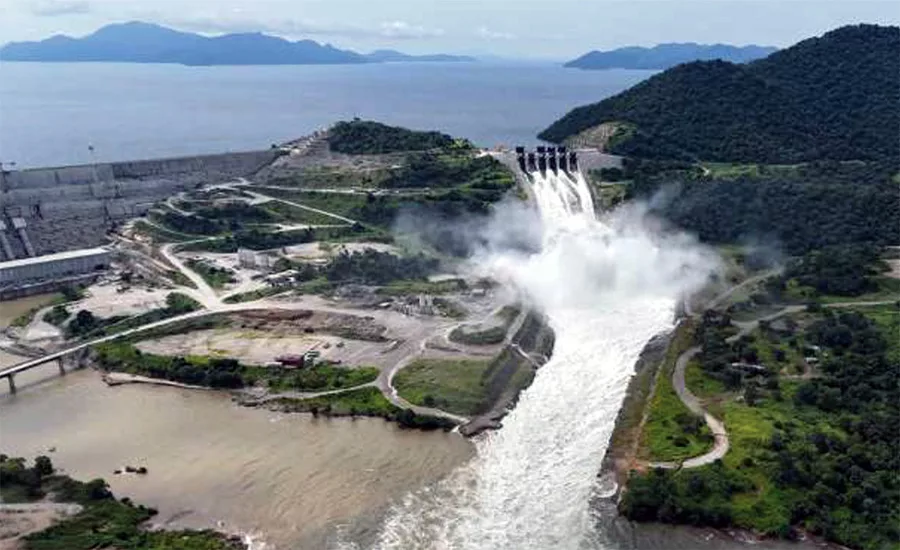
The impact of the Grand Ethiopian Renaissance Dam on Africa’s energy reflects a shift toward large-scale, renewable baseload generation. It addresses systemic energy deficits while supporting regional integration and decarbonisation goals.
Addressing Africa’s Energy Deficit
According to the World Bank, Sub-Saharan Africa faces a significant electricity access gap, with over 600 million people lacking access to power. Installed generation capacity across the region remains insufficient to meet growing demand, driven by population growth and urbanisation.
The Grand Ethiopian Renaissance Dam contributes the following:
- Over 6,000 MW of new capacity, representing one of the largest single additions to Africa’s grid.
- Significant improvement in Ethiopia’s electrification rate, which has been steadily increasing but remains below global averages.
- Stabilisation of supply in neighbouring countries through cross-border exports.
This positions GERD as a cornerstone in addressing Africa’s structural energy deficit.
Contribution to Renewable Energy Goals
Hydropower accounts for approximately 16% of global electricity generation, making it the largest source of renewable energy worldwide, according to the International Energy Agency.
The Grand Ethiopian Renaissance Dam contributes to:
- Reduction of reliance on fossil fuels, such as diesel and heavy fuel oil.
- Lower greenhouse gas emissions compared to thermal power generation.
- Alignment with Africa’s commitments under the Paris Agreement.
As one of the largest hydropower projects in Africa, the dam strengthens the continent’s renewable energy portfolio and supports long-term sustainability goals.
Regional Grid Stability and Power Pooling
The integration of the Grand Ethiopian Renaissance Dam into regional power networks enhances grid stability by diversifying energy sources and enabling shared capacity.
The Eastern Africa Power Pool (EAPP) aims to interconnect national grids to enable efficient energy distribution. The GERD Ethiopia construction progress and capacity directly support this objective by providing surplus electricity for regional markets.
Technical benefits include the following:
- Load balancing across interconnected grids.
- Reduced the need for reserve capacity in individual countries.
- Improved reliability through diversified generation sources.
According to the African Development Bank, regional power integration can significantly reduce electricity costs while improving supply reliability.
Strategic Role in Africa’s Energy Transition
The Grand Ethiopian Renaissance Dam’s impact on Africa’s energy extends into long-term transition strategies. As global energy systems shift toward decarbonisation, large-scale hydropower provides stable baseload power that complements intermittent renewable sources, such as solar and wind.
The dam supports:
- Integration of variable renewable energy into national grids.
- Reduction of carbon intensity in electricity generation.
- Development of energy-intensive industries powered by clean electricity.
The Grand Ethiopian Renaissance Dam, therefore, plays a strategic role in positioning Africa within the global energy transition, reinforcing the importance of Africa’s mega-dam infrastructure projects in achieving sustainable development goals.
The GERD’s Economic Revenue Projections and Export Tariffs
The Grand Ethiopian Renaissance Dam (GERD) has transitioned from a structural milestone to a critical economic engine for East Africa. As of April 2026, the facility is a primary driver of Ethiopia’s record-breaking export performance, which reached USD 6.76 billion in the first eight months of the 2025/2026 fiscal year. Ethiopian Electric Power (EEP) manages high-volume, cross-border energy sales, which anchor the financial viability of the GERD.
1. Revenue Targets and Performance
- Annual Target: Prime Minister Abiy Ahmed has projected that the GERD could generate up to USD 1 billion in foreign exchange annually once fully optimised for regional markets.
- Current performance: For the first half of the current fiscal year (late 2025–early 2026), electricity exports across all interconnections totalled over USD 61 million.
- Growth Forecast: Official projections for the upcoming fiscal cycle estimate electricity export revenues will rise to approximately USD 300 million as additional units reach peak load.
2. Export Tariffs and Market Dynamics
The Eastern Africa Power Pool (EAPP) allows Ethiopia to leverage its low production costs to offer competitive tariffs to its neighbours.
- Kenya: Under a 25-year Power Purchase Agreement (PPA), Ethiopia exports electricity at a competitive rate of 6.50 US cents per kWh.
- Volume: Kenya has increased its import target from 200 MW to 400 MW to meet rising industrial demand in 2026.
- Djibouti: Remains a consistent partner, contributing roughly USD 17 million in revenue over a recent seven-month period for approximately 274 GWh of supply.
- Sudan: While historically a major buyer, exports have fluctuated due to internal conflict, dropping from a committed 100 MW to 10-20 MW in early 2026.
3. Regional Scaling: Tanzania and South Sudan
- Tanzania: Commercial operations for a 100 MW export deal are scheduled to begin in mid-2026 following successful trials of the 1,500 km transmission route.
- South Sudan: A preliminary agreement reached in 2025 sets the stage for an initial 100 MW supply to stabilise the Juba grid over the next three years.
Technical Snapshot: Strategic Performance and Risk Framework
The operational performance and risk profile of the Grand Ethiopian Renaissance Dam reflect both its engineering scale and geopolitical context. The following framework provides a structured assessment relevant to engineers, investors, and policymakers.
Core Performance Metrics
- Installed Capacity: ~6,000–6,450 MW.
- Annual Energy Output: ~15,000–16,000 GWh.
- Capacity Factor: Estimated 50–60% depending on hydrology.
- Reservoir Storage: ~74 billion cubic metres.
- Operational Lifespan: 50–100 years with proper maintenance.
These metrics position the Grand Ethiopian Renaissance Dam among the most significant hydropower projects in Africa.
Hydrological and Operational Risks
The primary technical risk arises from hydrological variability:
- Dependence on seasonal rainfall patterns in the Ethiopian highlands.
- Potential reduction in inflows during prolonged drought periods.
- Sediment accumulation affecting reservoir capacity and turbine efficiency.
According to the International Hydropower Association, sediment management remains a critical factor in maintaining long-term performance for large dams.
Geopolitical and Regulatory Risks
The Nile River dam dispute between Egypt, Ethiopia, and Sudan introduces additional risk factors:
- Disagreements over reservoir filling schedules.
- Concerns regarding downstream water availability.
- Diplomatic tensions could potentially impact project operations.
These risks require coordinated policy frameworks and regional agreements to ensure the sustainable use of shared water resources.
Economic and Financial Risk Considerations
From an investment perspective, key risks include:
- Revenue variability linked to export agreements.
- Currency fluctuations affecting project financing.
- Long-term maintenance and operational expenses.
Despite these risks, the benefits of the Grand Ethiopian Renaissance Dam outweigh potential constraints, particularly when weighed against long-term growth in energy demand.
Conclusion: Strategic Significance of GERD Ethiopia
The Grand Ethiopian Renaissance Dam represents a convergence of engineering excellence, economic ambition, and geopolitical strategy. As Africa’s largest dam, it establishes a new benchmark for hydropower projects, demonstrating how large-scale infrastructure can address structural constraints in energy, industry, and regional integration.
Looking ahead, the effect of the Grand Ethiopian Renaissance Dam on Africa’s energy will extend beyond immediate power generation. It will shape capital allocation decisions, influence cross-border energy markets, and redefine the strategic role of infrastructure in economic development. As African economies accelerate industrialisation, GERD will serve as a reference model for future megadam infrastructure projects across Africa, reinforcing the continent’s transition toward sustainable, infrastructure-led growth.
Stay Updated on Africa’s Mega-Infrastructure Projects
Stay ahead of Africa’s mega-infrastructure transformation with Construction Frontier, your trusted platform for deep technical insights, market intelligence, and expert analysis. Explore more high-impact content where we explain complex engineering megaprojects, analyse infrastructure investment strategies, and discover future trends shaping Africa’s construction sector.