
Chinese Construction Equipment Brands in Africa: 10 Trusted Picks, Complete Guide
Chinese construction equipment brands in Africa now supply excavators, loaders, cranes, bulldozers and tipper trucks to the continent’s mines, roads and housing sites. The ten strongest picks are XCMG, SANY, Zoomlion, LiuGong, SDLG, Shantui, Sunward, Sinotruk HOWO, Shacman and Foton. Africa imports over 90% of its construction equipment, and Hunan’s machinery exports to the continent rose 85.2% in the first five months of 2026, so buyers should rank brands by parts depth and dealer coverage before price.
Technical Snapshot: Chinese Construction Equipment Brands in Africa at a Glance
| Parameter | Detail |
| Brands covered | XCMG, SANY, Zoomlion, LiuGong, SDLG, Shantui, Sunward, Sinotruk HOWO, Shacman, Foton |
| Market driver | Africa imports over 90% of its construction equipment; Hunan’s construction machinery exports to Africa rose 85.2% from January to May 2026 |
| Demand anchor | About 75% of Africa’s excavator demand comes from non-ferrous and precious metals mining |
| Strongest segments | Excavators, wheel loaders, cranes, bulldozers, drill rigs, tipper trucks |
| Global ranking benchmark | XCMG 3rd, SANY 6th, Zoomlion 11th; top 50 makers sold USD 246.6 billion in 2025 |
| Binding constraint | Parts lead time and technician depth, not machine price |
| Fastest lever | Written depot stock and breakdown response commitments before ordering |
| Benchmark metric | Physical availability of 85% or better on earthmoving fleets |
| Ownership shift | SDLG moved to full Chinese ownership in September 2025 after Volvo CE sold its 70% stake |
Chinese construction equipment brands in Africa have moved from budget alternatives to fleet-defining suppliers. The ten picks below earn their place on verified support evidence, not on price lists.
Introduction: Chinese Construction Equipment Brands in Africa
Chinese construction equipment brands in Africa now supply a large share of the excavators, wheel loaders, cranes and tipper trucks that build the continent’s roads, mines and housing. Africa imports more than 90% of its construction equipment, so each purchase depends on a foreign manufacturer’s ability to keep machines working thousands of kilometres from the factory. Three Chinese groups, XCMG, SANY and Zoomlion, now sit inside the top eleven of the leading global equipment manufacturers, and their African order books are growing faster than the wider market.
The purchase price opens the conversation, but parts, dealers and technicians decide the outcome. A bulldozer that waits three weeks for a hydraulic pump costs more in lost production than the discount that justified buying it. This guide tests that mechanism across seven earthmoving and lifting makers plus three truck makers, because tipper fleets move the material those machines excavate.
Contractors, fleet owners and investors get the best Chinese construction equipment brands for each job, the evidence behind them and the weakness to price in. Thin or dated evidence, as with Shantui, and manufacturer-reported figures are flagged in the text.
How We Ranked the 10 Trusted Picks
Ranking Chinese construction equipment brands in Africa on reputation alone would repeat what manufacturers already claim. Each brand instead faced five support criteria that determine uptime in African conditions.
Selection Criteria and Red Flags for Chinese Equipment Suppliers
| Criterion | What we checked | Red flag |
| Local parts depth | Depot stock and regional warehouses | Parts shipped from China per order |
| Dealer and technician coverage | Named dealers and training programmes | One city serving several countries |
| Assembly or hub presence | CKD or SKD plants and regional hubs | Showroom presence only |
| Range fit | Machines for roads, mining and housing | One product carrying the brand |
| Evidence quality | 2025 to 2026 independent or official data | Manufacturer claims alone |
The first two criteria carried the most weight. Parts and technicians are the scarce resources in Africa, and no brochure fixes a shortage of either.
Why Chinese Construction Equipment Brands in Africa Gained Ground
Three forces explain why Chinese construction equipment brands in Africa now win more orders: mining-led demand for imported machines, Chinese names near the top of the global rankings, and a shift from price buying to lifecycle buying.
Mining and Road Demand Pull in Imports
Africa builds roads and opens mines with machines it does not manufacture, and Chinese construction equipment brands in Africa fill that gap. Hunan’s machinery export surge shows the scale in the first five months of 2026.
Hunan Construction Machinery Exports, January to May 2026
| Measure | Result |
| Total construction machinery exports | 17.3 billion yuan, up 20.1% |
| Exports to Africa | 2.55 billion yuan, up 85.2% |
| Exports to Mali | Up 171.9% |
| Exports to Guinea | Up 179.7% |
Mali and Guinea grew fastest, which fits mining-led demand: about 75% of the continent’s excavator demand comes from non-ferrous and precious metals extraction. Because more than 90% of all construction equipment is imported, dealer depth becomes a strategic issue for every brand in this guide.
Scale Behind the Brands
Scale funds the support networks that Chinese construction equipment brands in Africa need. The world’s top 50 equipment makers generated USD 246.6 billion in sales in 2025, up 3.8%. XCMG ranked third with USD 14.2 billion and a 5.8% share.
The two other Chinese groups in the top eleven both come from Changsha. Changsha enterprises in the global top 50 include SANY in sixth place with USD 12.582 billion and Zoomlion in 11th with USD 6.812 billion, up two places. Sunward, another Changsha maker, appeared on both 2026 lists. In total, 13 Chinese companies made both rankings.
From Price Buying to Lifecycle Buying
African operators now weigh acquisition price, fuel use, payload, uptime, and lifecycle cost together. Chinese construction equipment brands in Africa no longer compete only for buyers who cannot afford established products, which has pushed the better ones to invest in depots and training. The hidden costs of Chinese versus Western equipment show where the savings survive and where they leak.
Incumbents still set the benchmark. Operators pricing Western machines for the same pit can read the Caterpillar and Komatsu differences to see what that benchmark looks like in dealer support and residual value.
The 10 Trusted Chinese Construction Equipment Brands in Africa
The ten profiles of Chinese construction equipment brands in Africa run from the broadest earthmoving suppliers to the truck makers that haul what those machines dig. Each states the strongest evidence, the job it suits, and the weakness to price in.
1. XCMG: Widest Range and Strongest Mining Reach
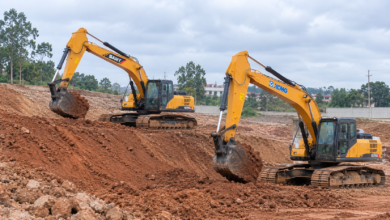
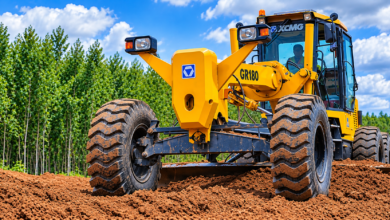
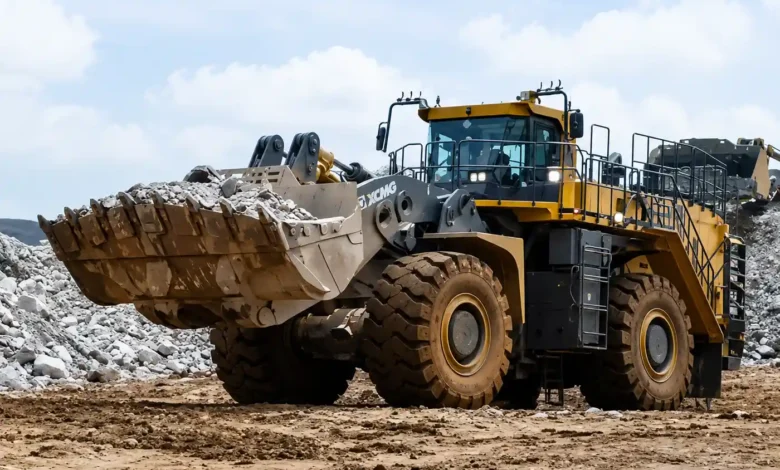
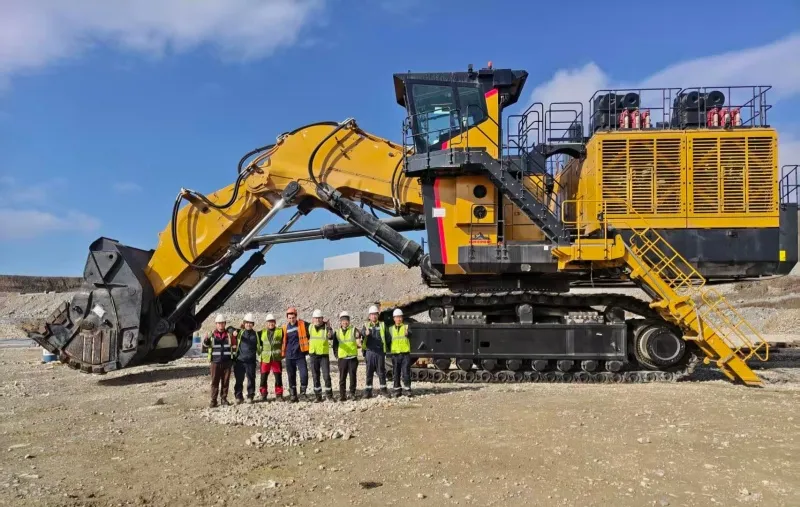
XCMG, the world’s third-largest maker, covers Africa with 3-tonne to 400-tonne excavators, wheel loaders, graders, rollers and cranes. Dealers such as TISCO cover Kenya, Uganda, the DRC and Tanzania, which gives East and Central African buyers a named service route. XCMG’s proven African models cover the model-level choices.
XCMG’s Angola and Mozambique deliveries include more than 100 units of integrated road equipment for Angola, which the manufacturer describes as that country’s largest single conventional machinery order in a decade. In Beira, the package covers asphalt production, paving, compaction and rehabilitation, and Mozambique received its first electric mining excavator, the XE1350E.
In mining, XCMG’s Kiboko mining partnership, launched at Mining Indaba in February 2025, brings mining excavators and rigid dump trucks to South Africa through a local group. The watch-out is consistency: service depth differs by country, so confirm depot stock for your exact model before signing.
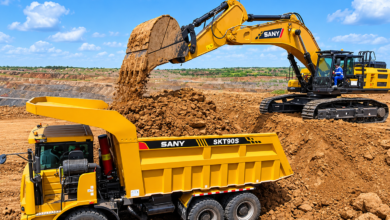
2. SANY: Fastest Growth and Visible Localisation
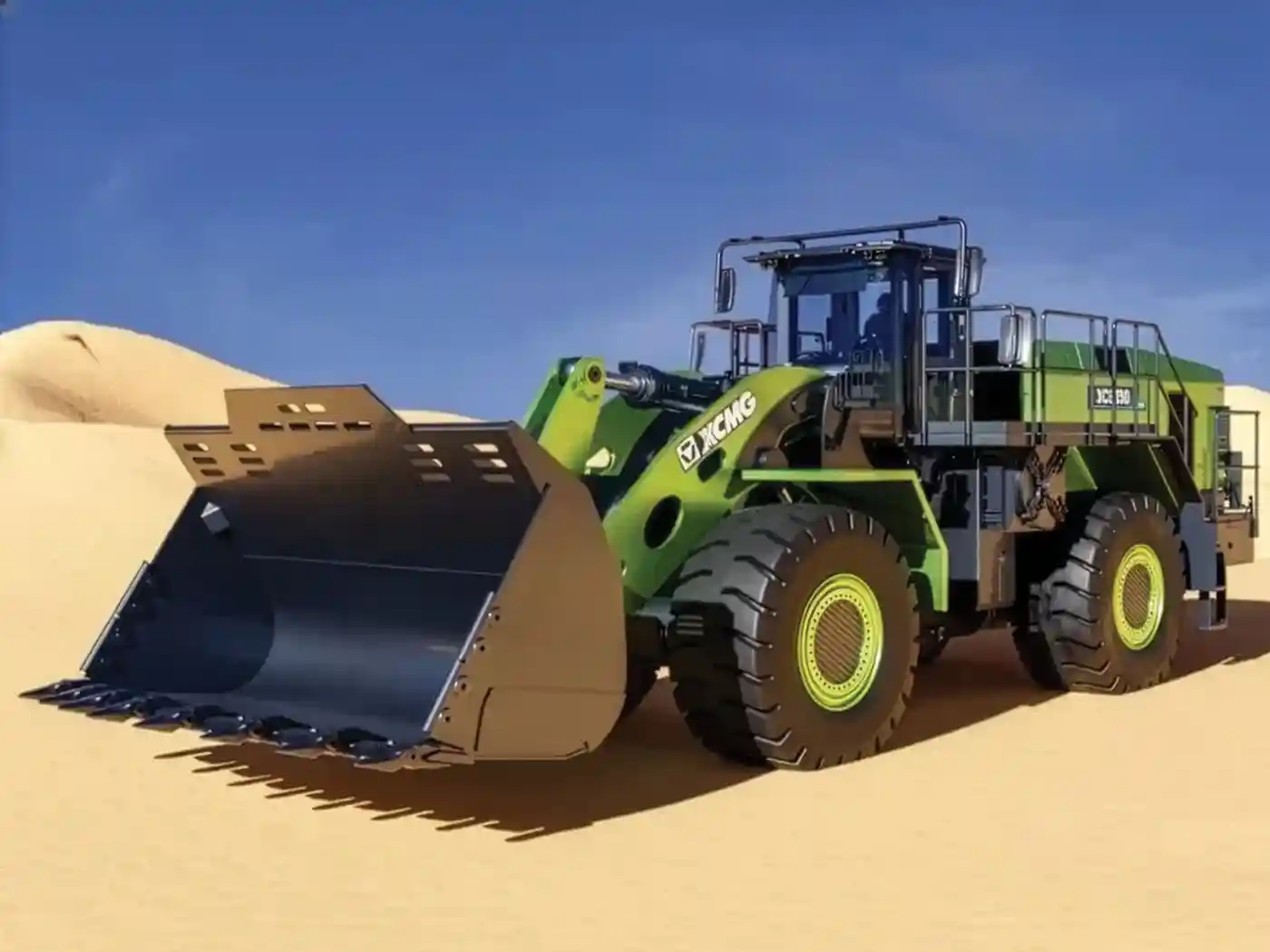
SANY, ranked sixth globally, reports African sales of 3.5 billion yuan in the first quarter of 2026, up about 70%, with more than 40,000 machines sold on the continent. It ties that growth to Africa’s industrial takeoff, and the figures are company-reported, so treat them as indicators.
Localisation backs the claim. SANY runs an industrial park and central warehouse in South Africa, with about 90% of employees hired locally, and in September 2026 it launched the SRT100S hybrid rigid dump truck with a 95-tonne payload. Excavators and concrete machinery anchor the range.
Service depth varies outside South Africa and East Africa, so check technician numbers near your site. SANY’s proven African wins cover the strengths and honest limits in full.
Further Reading: SANY Construction Equipment in Africa: 7 Proven Strengths and Limits
3. Zoomlion: Cranes, Concrete and Two Parts Hubs
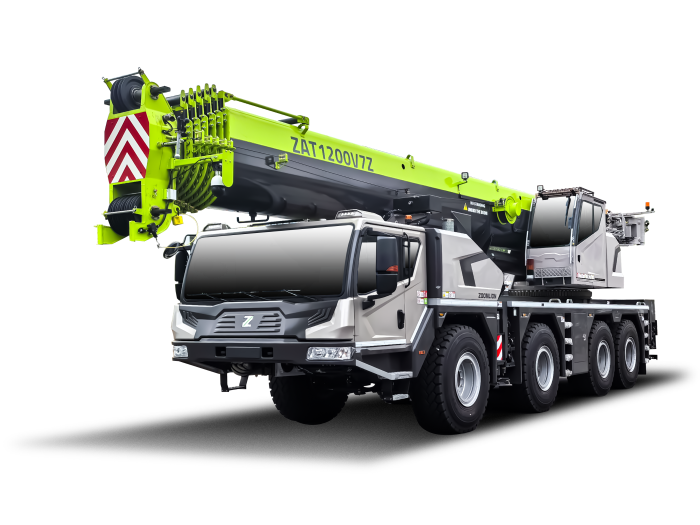
Zoomlion entered Africa in 2007 and has delivered more than 10,000 units across the continent. It ranked 11th globally in 2025, and its first-quarter 2025 African sales already equalled 60% of its 2024 total. Cranes, concrete machinery and earthmoving equipment form the core range, with company projects that include the Julius Nyerere Hydropower Project in Tanzania and the Rosso Bridge between Senegal and Mauritania.
The support footprint is the real selling point. Zoomlion pairs its smart machinery for African growth with subsidiaries in South Africa, Nigeria, Kenya and Tanzania, spare parts centres in Algeria and South Africa, and a joint-venture plant in Algeria. As of mid-2025, over 90% of its 300-plus African staff were local hires.
The weakness is geography. Parts centres sit at the continent’s northern and southern ends, so East and West African fleets should confirm lead times in writing before ordering cranes or loaders.
4. LiuGong: Wheel Loader Heritage and Kenyan Assembly
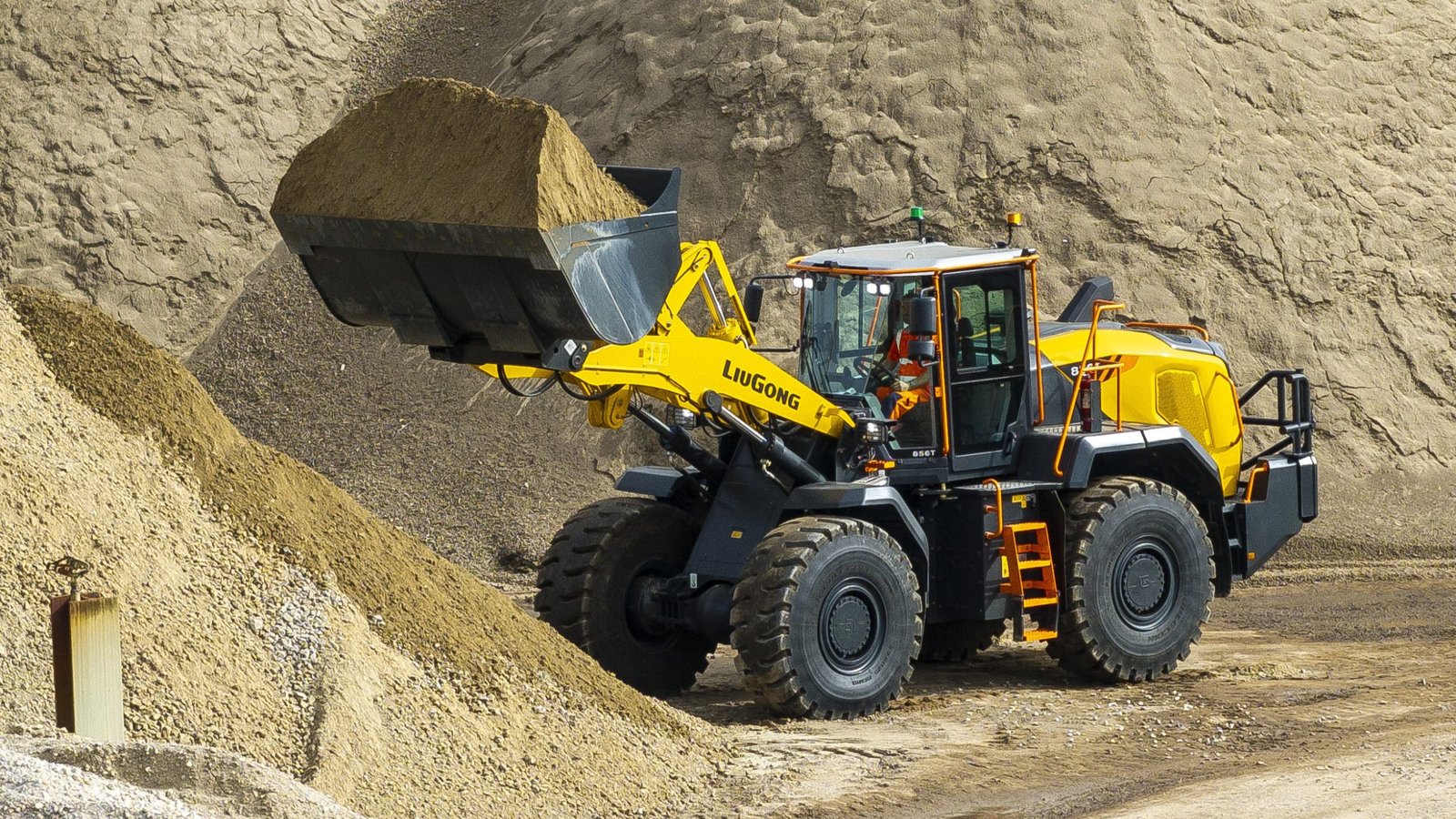
LiuGong built its African reputation on wheel loaders and excavators. It opened an assembly base at Syokimau in Machakos County, and LiuGong’s East Africa hub brings final assembly and training closer to Kenyan and regional buyers. Local assembly shortens commissioning and warranty response, which suits aggregate producers and contractors running loader-heavy spreads.
In southern Africa, LiuGong’s South African aftermarket push built a parts centre reported to hold over USD 4 million of inventory after the subsidiary launched in 2011. That report is older, so request current stock lists. For parts planning on any Chinese fleet, smarter spare parts sourcing sets out the routes available.
The watch-out is the currency of evidence: parts figures predate 2026, and a loader fleet in Lagos or Lusaka needs its own depot confirmation.
5. SDLG: Hub Model for East Africa and a New Ownership Chapter
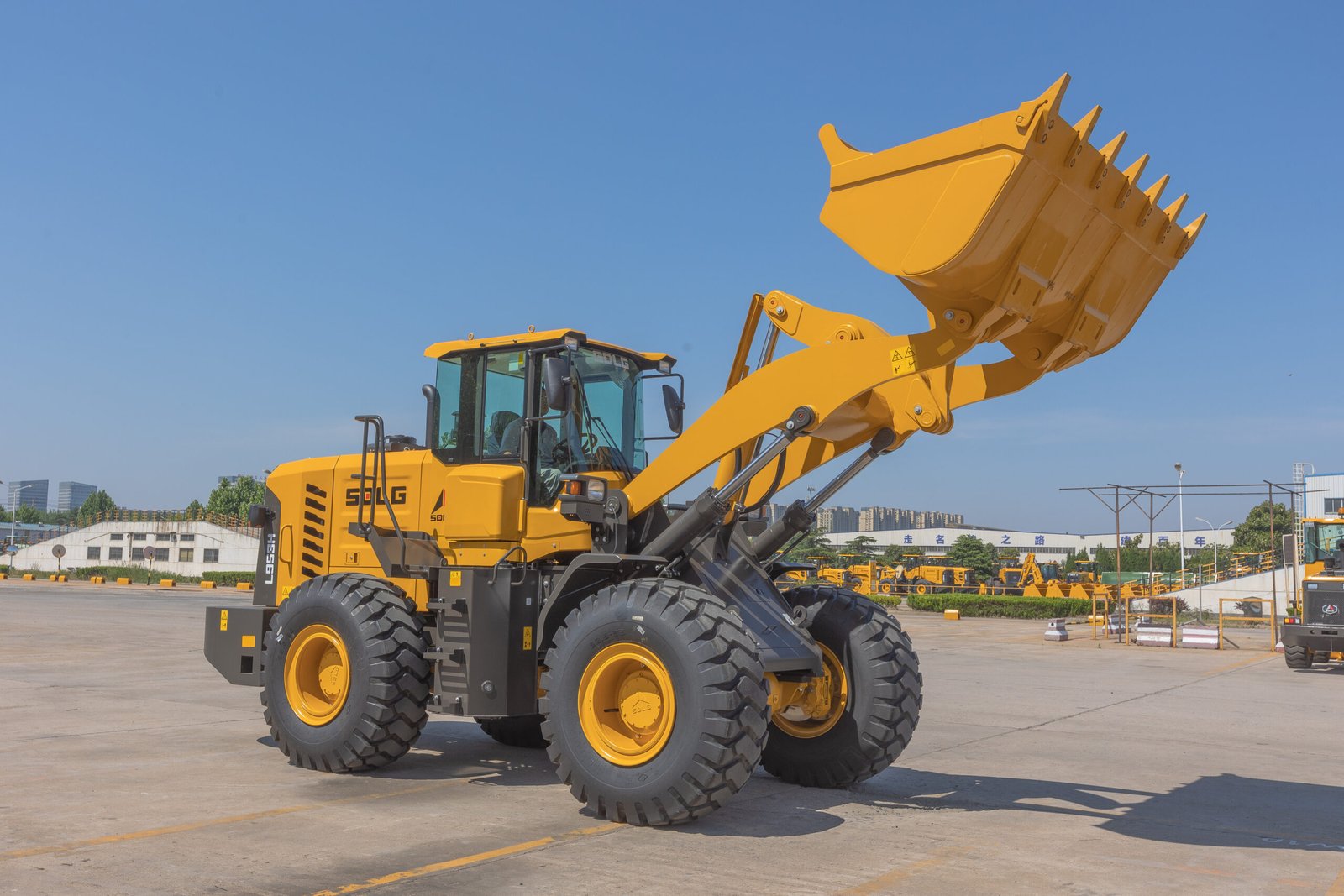
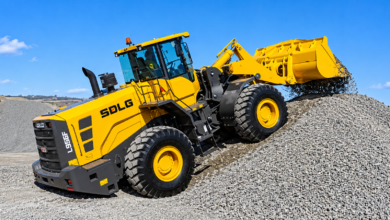
SDLG opened an East African hub at its LGQH subsidiary in Dar es Salaam and shipped 300 excavators, wheel loaders, road rollers and motor graders to Tanzania, Kenya, Nigeria and Zimbabwe. SDLG’s East African hub pairs those shipments with forward warehouses, which target the parts gap directly. SDLG wheel loader strengths cover the loader range in detail.
Ownership changed in 2025. Volvo CE’s SDLG stake sale moved its 70% holding to a fund led by Lingong Group, the minority owner, in a deal that closed in September 2025. SDLG now operates under full Chinese ownership, so buyers who assumed Volvo engineering oversight should confirm which dealer service chain stands behind each machine.
In Kenya, Vecarian Plant Limited acts as a local dealer, and buyers can also browse SDLG wheel loader listings on African marketplaces and request a quote. The watch-out is dealer variance between the hub countries and the rest of the continent.
6. Shantui: Bulldozer Specialist With Thinner Public Evidence
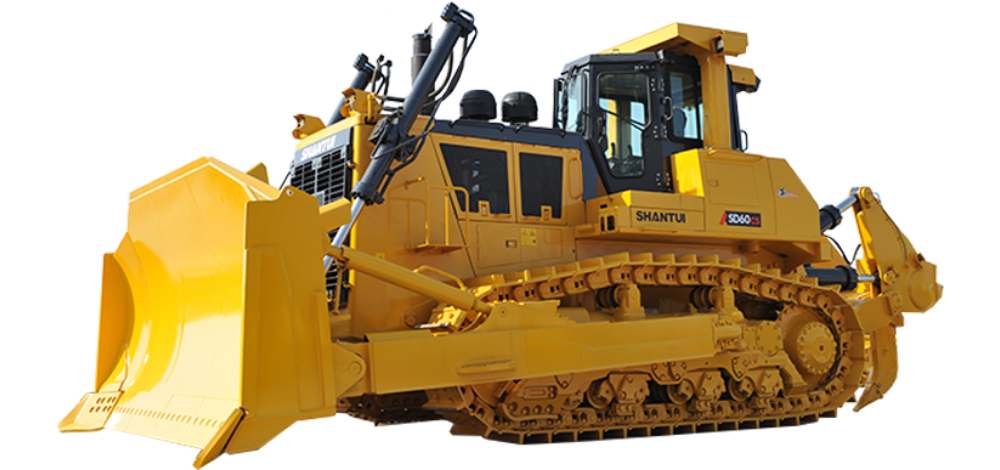
Shantui is the bulldozer specialist on this list, with SD16, SD22 and SD32-class crawler dozers for road building, quarries and mines. Shantui’s African export history goes back to 1986, which gives it a longer African record than most brands here.
Public evidence is older and thinner than for the other nine. The manufacturer claims a presence in 170 countries through 120 distributors, and earlier African supply included about USD 4 million of bulldozers and excavators for Zambia’s national service programme in 2015. Neither data point shows current depot stock.
Treat dealer verification as mandatory: ask which local entity services your machine, how many dozer undercarriage parts it holds in country, and who handles warranty claims.
7. Sunward: Drill Rigs, Piling Rigs and Mining Excavators
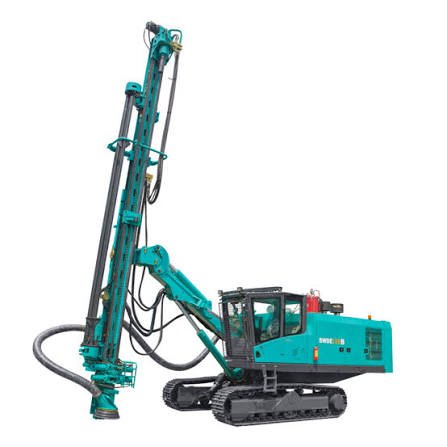
Sunward, a Changsha maker that appeared on both 2026 global ranking lists, specialises in drill rigs, piling rigs, excavators from 0.8 to 98 tonnes, loaders, dozers and 60 to 80-tonne dump trucks. Sunward’s South African expansion began with a December 2023 launch in Johannesburg and a stock policy that keeps drill rigs, 21-, 36- and 60-tonne excavators and 5-tonne loaders on hand, replenished three times a year.
At launch, it had 12 African dealers, including three in South Africa and others in Nigeria, Burkina Faso, Algeria, Uganda, Kenya and Tanzania, and it planned ten more, including Zambia, Mozambique, Guinea, Congo, Namibia and Angola. That network is smaller than those of XCMG or SANY, so confirm technician coverage near your site. The brand suits quarry, foundation, and mining contractors.
8. Sinotruk HOWO: Kenya’s Tipper Volume Leader
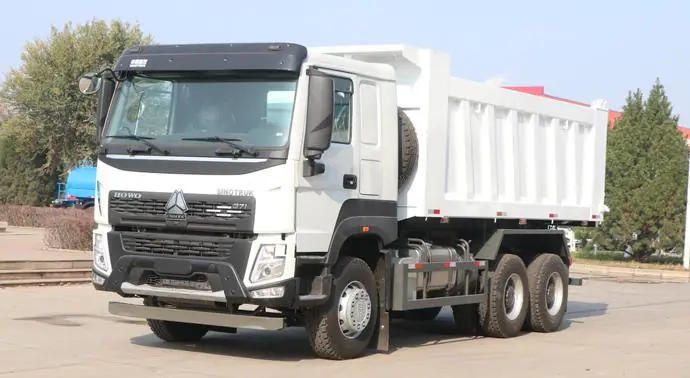
Sinotruk’s HOWO range leads Chinese truck sales in Kenya. In the nine months to September 2026, Chinese brands took 14.65% of new vehicle sales in Kenya, up from 7.39%. Sinotruk’s Kenyan expansion drove it: deliveries rose to 1,442 units from 535, about 78% of all Chinese vehicle sales.
Road payments drove the surge. The government’s mobilisation of KSh 139 billion to clear contractor arrears restarted stalled projects and revived heavy-vehicle demand. Elsewhere, Sinotruk has assembled heavy trucks in Ghana since 2019 and plans a HOWO assembly plant in Rwanda.
The watch-out is service quality across the region, because truck makers scale volumes faster than technician pools.
9. Shacman: Local Assembly and Corridor Parts Support
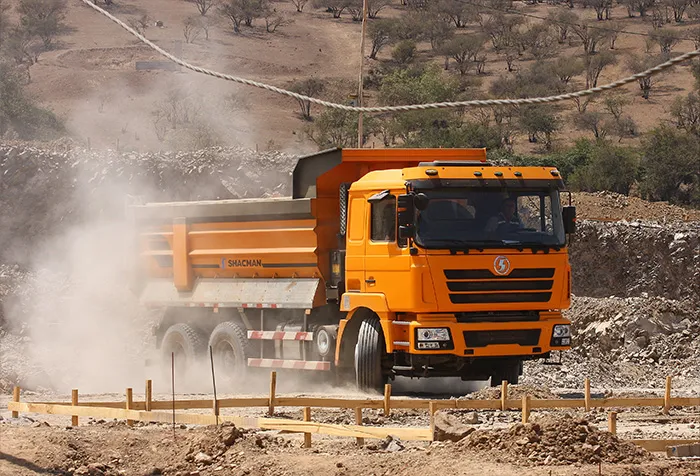
Shacman Africa began operating in South Africa in 2022. It now employs 210 people, runs an assembly plant in Wadeville with a design capacity of about 1,500 trucks a year and supports 20 South African dealers. Shacman’s South African push expects approximately 800 local sales in 2026, with a further 800 beyond South Africa’s borders.
Corridor support is the differentiator. Shacman holds dealerships or support points in Namibia, Botswana, Zimbabwe and Zambia, and parts stock valued at about USD 4 million at a distribution operation in Zambia serves Copperbelt and DRC fleets. Tippers for quarry, construction and mining work are being added in 6×4 and 8×4 configurations. Its general manager notes that local assembly is not automatically cheaper at current volumes. The honest weakness is technicians, and Shacman admits that training across 20 dealerships trails its sales growth.
10. Foton: Heavy Trucks Built Around a South African Plant
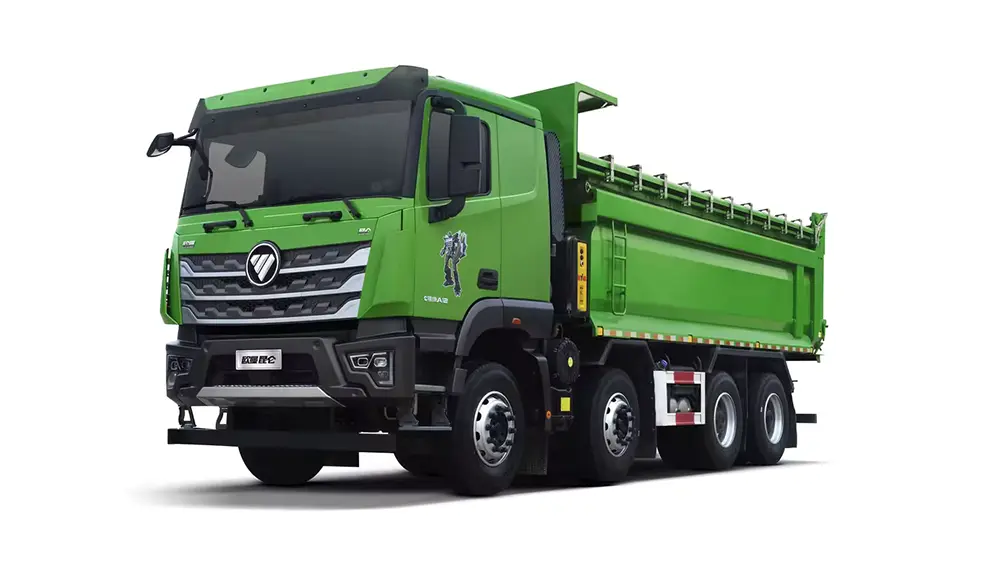
Foton’s overseas manufacturing base in Gqeberha began completely knocked-down vehicle production in 2026, with an annual capacity of approximately 50,000 vehicles, more than 3,000 direct and indirect jobs, and support for over 150 local small businesses. The plant serves South Africa and exports to wider Africa, the Middle East and Latin America.
In Kenya, Foton deliveries rose to 168 units from 88 in the nine months to September 2026, a smaller base than Sinotruk but a clear upward trend. Its heavy trucks target mining logistics and port operations.
The watch-out is mixed: the plant’s output spans pickups and trucks, so verify tipper-specific parts and service support before placing fleet orders.
Matching Brands to Jobs
No single one of the Chinese construction equipment brands in Africa wins every application, because mining pits, road bases, building sites and haulage each reward a different support model. The table maps each job to the brands with the strongest evidence.
Brand Fit by Application for Chinese Equipment in Africa
| Application | Best-evidenced brands | Deciding factor |
| Mining pits | XCMG, SANY, Sunward | Mining-class excavators and trucks with local stock |
| Road base, paving and rehabilitation | XCMG, SDLG, Shantui | Integrated road spreads, graders and dozer availability |
| Tall buildings and heavy lifting | Zoomlion, XCMG | Crane range and parts centres |
| Quarries and aggregate loading | LiuGong, SDLG, Sunward | Wheel loaders, drill rigs and crusher support |
| Haulage and tipper fleets | Sinotruk HOWO, Shacman, Foton | Dealer coverage and technician depth |
Mining and Quarry Fleets
Mining buyers should weigh machine class against local stock. Among Chinese excavator brands, XCMG and SANY offer mining excavators and rigid trucks, and Sunward adds drill rigs and 60- to 80-tonne dump trucks. All three must prove depot depth is within reach of the pit, because Mali and Guinea show how quickly mining import demand can climb.
Quarry operators lean on wheel loaders and crushers. Among Chinese wheel loader brands, LiuGong and SDLG carry the strongest reputation, so their hub and depot claims deserve the hardest scrutiny. Buyers who want to set these picks against the wider market can browse the best equipment brands for Africa across every origin.
Roads, Housing and Lifting
Road programmes reward breadth, and the broadest Chinese construction equipment brands in Africa show it. A single supplier can cover asphalt production, paving and compaction, as XCMG’s Angola package shows, while SDLG supplies graders and rollers through its hub and Shantui supplies dozers. Contractors choosing between the two largest suppliers can weigh the decisive gaps between XCMG and SANY.
Lifting and tall construction favour Zoomlion, whose cranes and concrete machinery appear on projects from Egypt’s skyscraper to Senegal’s Rosso Bridge. Check crane service certification and operator training locally, because a crane without a certified technician cannot lift when an inspection falls due.
Further Reading: XCMG vs SANY Equipment in Africa: 7 Decisive Gaps for Confident Buyers
Where Chinese Construction Equipment Brands in Africa Fall Short
Chinese construction machinery manufacturers have closed much of the product gap, but three weaknesses still decide fleet outcomes: parts lead time, uneven dealer quality, and second-hand confidence. Each affects total cost more than the purchase price does, and each can be contracted against.
Parts Lead Time Outweighs Purchase Price
Chinese construction equipment spare parts shipped from the factory per order turn a minor failure into weeks of lost production. Shacman’s general manager makes the point plainly: a truck working in the DRC cannot wait for a component to arrive from another continent. Brands that publish depot stock, such as Shacman’s Zambian operation and LiuGong’s South African parts centre, show how to solve the problem.
Treat depot stock as a contract term, not a goodwill gesture. Where a Chinese supplier cannot stock a part, third-party sources can fill gaps, and the OEM versus third-party factors explain when that choice is safe.
Dealer Quality Varies by Country
A brand’s global ranking says little about the dealer on your road, and fast growth strains training because sales can outrun the technicians available to service them. Western incumbents earned trust the slow way, and JCB’s buyer trust in Africa rests on dealer depth built over decades.
Chinese heavy equipment dealers in newer markets often hold stock for sales rather than repairs. Ask for the workshop address, technician count, and diagnostic tool access. Where support is thin, shift the fleet towards preventive maintenance savings, because scheduled intervention costs less than breakdown response in remote locations.
Resale and Second-Hand Confidence
Resale value follows trust, and the market has begun to respond: SANY certified used machinery in Kenya arrived in November 2026 with a six-month warranty aimed at cutting downtime.
Chinese construction equipment brands in Africa carry a shorter second-hand record in most markets than Caterpillar or Komatsu equivalents. Model a lower residual value in your lifecycle calculation, and treat any written buy-back route as an asset.
Are Chinese Construction Equipment Brands in Africa Reliable?
Reliability is the question buyers ask first about Chinese construction equipment brands in Africa, and the honest answer depends on the brand, the country, and the dealer rather than the flag on the machine. The evidence on powertrains and independent testing shows where the risk really sits.
Powertrains Decide Parts Commonality
Reliable Chinese construction equipment often shares critical components with Western machines. Shacman’s X5000 and X6000 tractors use Cummins M10 and M13 engines with Fast 16-speed transmissions, and its H3000S rigid range uses Weichai engines. Knorr-Bremse and Wabco systems appear on the same trucks. Shared components widen the pool of independent workshops and parts sellers, which lowers dependence on a single manufacturer’s depot.
Independent Testing Beats Brochure Claims
Fuel consumption and uptime claims are hard to compare, because routes, payloads, drivers and weather vary. Shacman has entered South Africa’s Truck Test 2026, a controlled comparison with identical trailers, payloads and routes, to give the market evidence rather than claims. Favour brands that submit to this kind of testing, and ask excavator and loader suppliers for availability records from fleets of similar size in your own country.
What the Evidence Supports
The evidence supports a measured conclusion. Chinese construction machinery manufacturers now rank among the world’s largest, publish depot and assembly commitments in several African markets and, in cases such as Shacman, concede their own training gaps openly. This does not support a blanket verdict of reliable or unreliable. Judge each brand by availability records in your country, and accept it only when its dealer can show them without hesitation.
Technical Block: Buying Standards for Chinese Construction Equipment Brands in Africa
Four standards turn a shortlist of Chinese construction equipment brands in Africa into a defensible purchase. Step 1 converts availability into money, Step 2 audits the dealer, Step 3 sets the specification for African duty, and Step 4 writes the support into the contract. The conclusion gives the decision rule.
1. Downtime Arithmetic Before Price
Availability converts directly into money. Take a 30-tonne class excavator scheduled for 2,000 hours a year at a working value of USD 80 per productive hour; both inputs are illustrative planning figures, not market prices.
Annual Value of Availability for One Excavator (Illustrative)
| Physical availability | Productive hours | Annual value (USD) | Gap against 90% (USD) |
| 90% | 1,800 | 144,000 | 0 |
| 85% | 1,700 | 136,000 | 8,000 |
| 80% | 1,600 | 128,000 | 16,000 |
| 75% | 1,500 | 120,000 | 24,000 |
A machine that runs at 80% instead of 90% loses USD 16,000 a year, or USD 80,000 across a five-year life. Any purchase discount smaller than that gap loses money. Pair this arithmetic with methods for protecting profit from downtime, and price the dealer’s parts stock into the bid.
2. Dealer and Parts Audit
Audit the dealer before the machine, whichever of the Chinese construction equipment brands in Africa you shortlist. The pass marks below are planning standards that reflect typical African corridor distances, not manufacturer commitments, and a missing document counts as a failed check.
Dealer Audit Checklist for Chinese Equipment Purchases
| Check | Evidence to request | Pass mark |
| Wear-part stock | Depot stock list for your model | Filters, belts, hoses, teeth and hydraulic seals held in country |
| Breakdown response | Written response time per site | Technician on site within 24 to 48 hours on main corridors |
| Technician depth | Names and certifications | At least one trained technician per 10 machines in the territory |
| Diagnostics | Software licence and engine control access | Dealer holds current diagnostic tools |
| Warranty administration | Location of claims desk | Claims settled in country |
Fold the audit results into smarter lifecycle ownership savings, so a cheaper brand with weaker support is priced honestly against a dearer one with depots nearby.
3. Specification for African Duty
Specify for dust, heat and fuel quality. Request upgraded air pre-cleaners, cooling packages rated for local ambient temperatures, water-separating fuel filtration and sealed electrical connectors. Choose drivelines from recognised suppliers where options exist, because shared components widen the parts pool beyond the manufacturer’s own network.
Then lock the maintenance regime early. Proven maintenance strategies for uptime set the service intervals and monitoring that protect a new Chinese fleet through its warranty period.
4. Contract Terms and Financing
Write ‘after-sales support’ into the contract. Require in-country warranty administration, a parts fill-rate clause with penalties, a named technician pool, operator training at handover, and a buy-back or certified resale route. Add an availability guarantee for large fleets, because the arithmetic above gives you the number to defend.
Decide upfront which repairs may use third-party parts without voiding the warranty, and record the answer in the contract schedule. Financing terms should follow the same logic: a lender that understands after-sales support will price risk more fairly than one that sees only a low invoice.
Conclusion: Support Evidence Decides Which Chinese Brand Wins
The best Chinese construction equipment brands in Africa deserve a place on most fleet shortlists, but the winners will be the ones with proven support, not the ones with the lowest quote. XCMG, SANY and Zoomlion carry the scale, SDLG, LiuGong and Shantui serve loaders and dozers, and Sunward fills drilling and piling. Sinotruk, Shacman and Foton cover haulage. Choose by job, then rank by depot distance and technician depth.
Apply a firm decision rule. Shortlist two brands per application, demand written depot stock and response times, and discount any bid by the availability gap in the arithmetic above. Where a supplier cannot document parts within one working day of the site, drop it, however attractive the price. Evidence for Shantui and for older LiuGong aftermarket data needs fresh confirmation before ordering.
Mining-led import demand, rising export volumes, local assembly in Kenya, South Africa and Ghana, and a regional hub in Tanzania are pulling Chinese construction equipment brands in Africa towards genuine localisation. Contractors who audit depots now will capture that improvement first.
Buy Smarter as Africa’s Equipment Market Shifts
Explore Construction Frontier: Equipment Brands & Manufacturers for brand profiles, ownership cost guides, and maintenance strategies that help African contractors choose, finance, and keep their machines working.