Top 20 Tallest Skyscrapers in the Middle East: Iconic Super Towers Redefining Skylines
The tallest skyscrapers in the Middle East have transformed cities such as Dubai, Riyadh, Doha, and Jeddah into global centres of architecture, finance, tourism, and engineering innovation. These supertall towers showcase the region’s investment in megaprojects, mixed-use urban development, luxury real estate, and next-generation construction technology. From the world-record height of Burj Khalifa to future megastructures such as Jeddah Tower and The Line, Middle East skyscrapers continue to redefine global skyline development and high-rise engineering standards.
Technical Snapshot: Middle East Skyscraper Market
| Category | Key Insight |
|---|---|
| Tallest completed tower | Burj Khalifa – 828 m |
| Tallest planned tower | Jeddah Tower – 1,000+ m |
| Dominant skyscraper hub | Dubai |
| Primary construction driver | Economic diversification and tourism growth |
| Main tower functions | Mixed-use, residential, hotel, office, observation |
| Key engineering systems | Wind-resistant cores, high-strength concrete, smart façades |
| Sustainability trend | Passive cooling, energy-efficient glazing, and condensate reuse |
| Fastest-growing skyscraper market | Saudi Arabia |
| Major megaproject catalyst | NEOM |
| Regional construction focus | Smart cities and luxury urban districts |
| Structural materials | Reinforced concrete, composite steel systems, curtain-wall glazing |
| Future skyline trend | Net-zero towers and AI-integrated buildings |
The Middle East skyscraper sector continues to evolve beyond record-breaking heights alone. Developers now compete through sustainability, mixed-use integration, tourism value, and smart urban planning. Upcoming megaprojects across Saudi Arabia and the UAE signal a new phase of high-rise development focused on technology, resilience, and globally competitive city branding.
Why Skyscrapers Define Middle East Architecture
The Middle East’s construction boom is unlike any in modern history. Over the past 30 years, once low-rise desert towns have transformed into futuristic cities crowned with some of the tallest skyscrapers in the world.
But these buildings are not just symbols of wealth—they are catalysts for economic diversification, magnets for global tourism, and hubs for modern urban living. Each skyscraper tells a story of vision, ambition, and cultural pride, blending architectural creativity with the most advanced construction methods.
This article dives deep into the top 20 tallest skyscrapers in the Middle East. We will explore their heights, designs, architects, costs, and the ways they are redefining regional skylines.
The Top 20 Tallest Skyscrapers in the Middle East
Let’s now explore the list of the tallest skyscrapers in the Middle East, starting from the top down.
1. Burj Khalifa: Dubai, UAE (828 m)
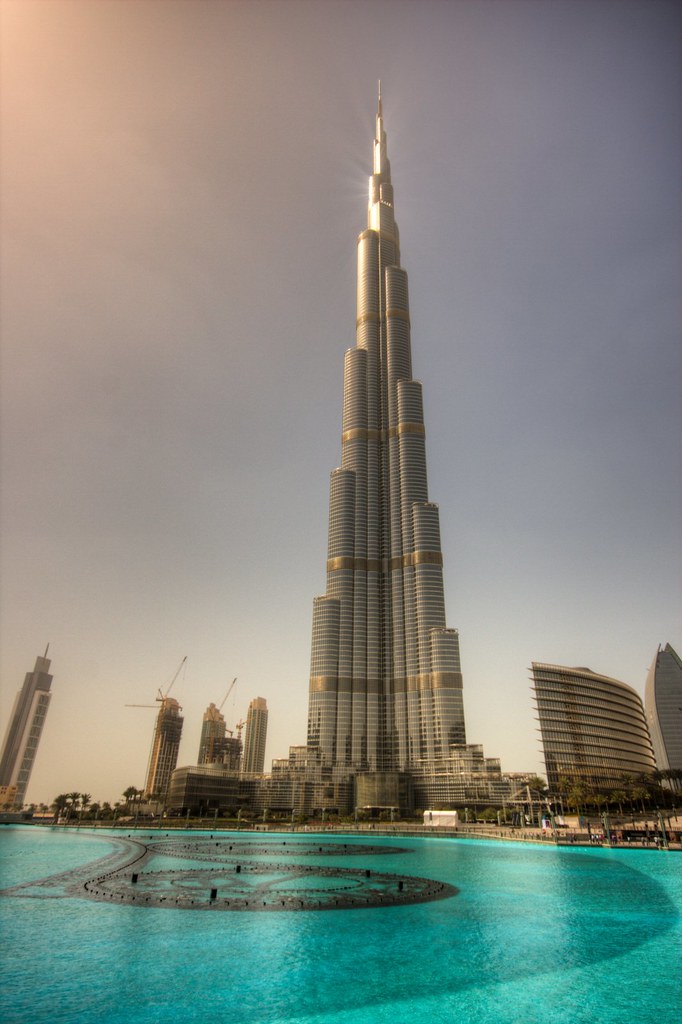
The Burj Khalifa is Dubai’s crown jewel and the tallest building in the world. Inspired by the Hymenocallis desert flower, its triple-lobed design maximises stability against wind. The tower houses luxury residences, corporate offices, and the Armani Hotel, while its “At the Top” observation decks attract millions of tourists annually.
Beyond its world-record height, Burj Khalifa represents Dubai’s identity as a global hub, combining eco-friendly systems such as condensate water reuse for landscaping.
- Floors: 163 above ground.
- Completion: 2010.
- Architect: Adrian Smith (Skidmore, Owings & Merrill).
- Cost: Approx. $1.5 billion.
- Use: Mixed-use (residential, offices, Armani Hotel, observation decks).
2. Marina 101: Dubai, UAE (425 m)
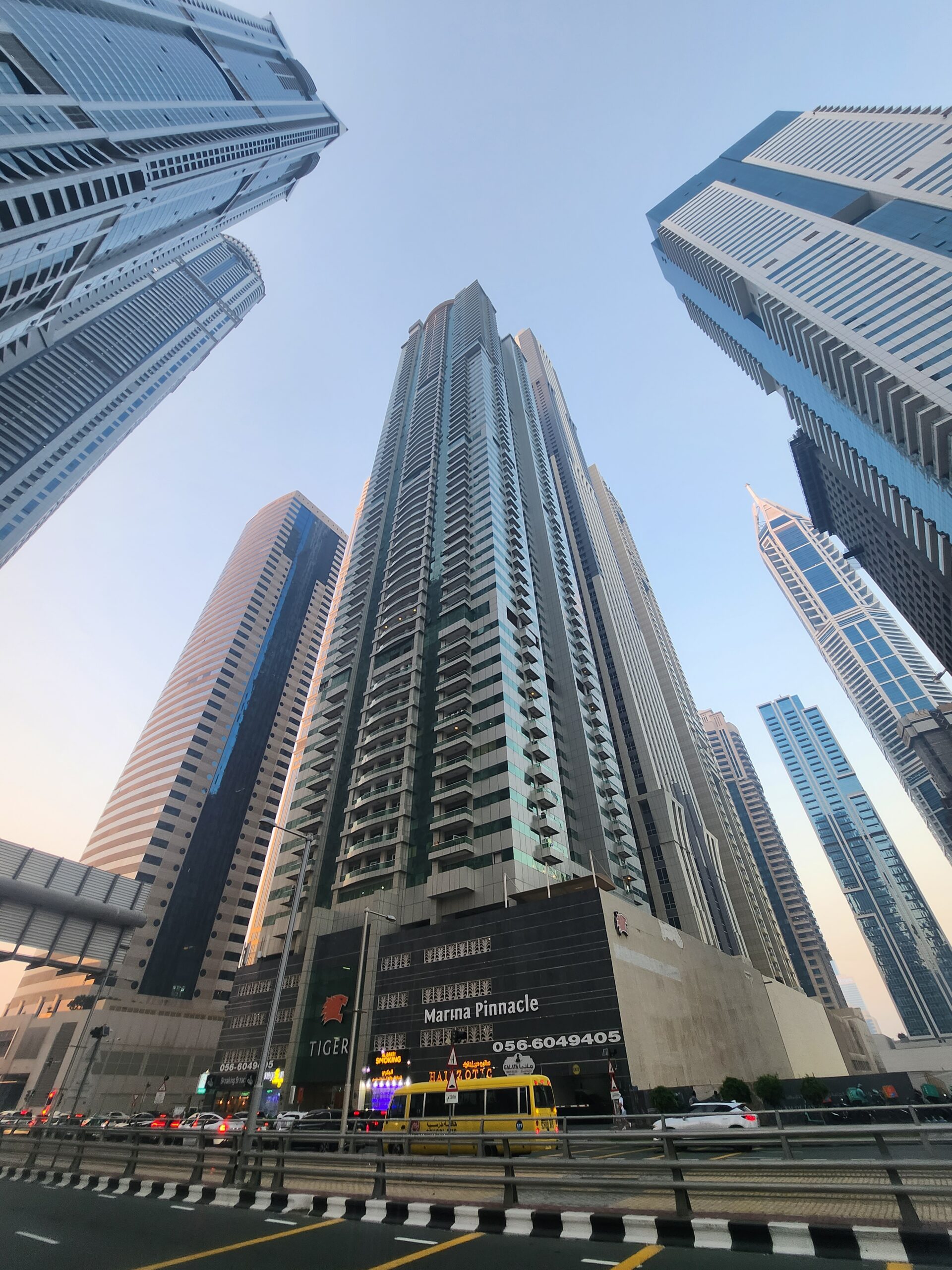
Dubai Marina’s skyline would be incomplete without Marina 101, one of the tallest residential towers in the world. Its clean glass façade highlights Dubai’s push for high-rise living while blending hospitality with luxury apartments.
- Floors: 101.
- Completion: 2017.
- Architect: National Engineering Bureau.
- Use: Residential and hotel (Hard Rock Hotel).
3. Princess Tower: Dubai, UAE (413 m)
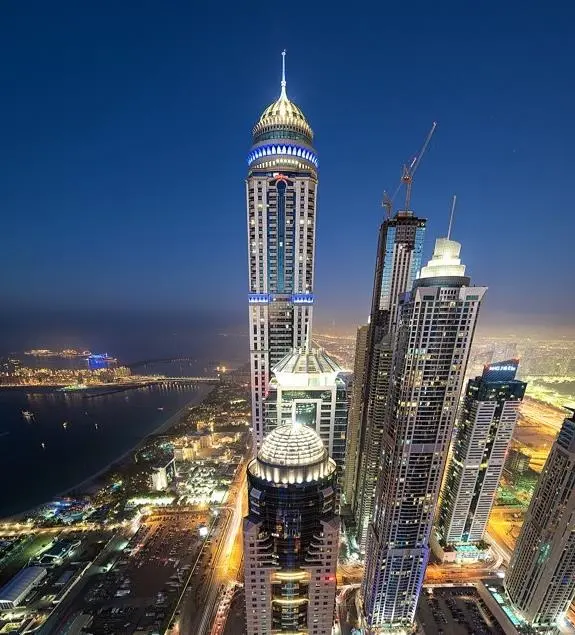
The Princess Tower was once the world’s tallest residential building. Its crown-shaped top dominates Dubai Marina. Offering more than 700 apartments, gyms, and leisure facilities, it symbolises Dubai’s premium real estate market.
- Floors: 101.
- Completion: 2012.
- Architect: Eng. Adnan Saffarini Office.
- Use: Residential.
4. Al Hamra Tower: Kuwait City, Kuwait (414 m)
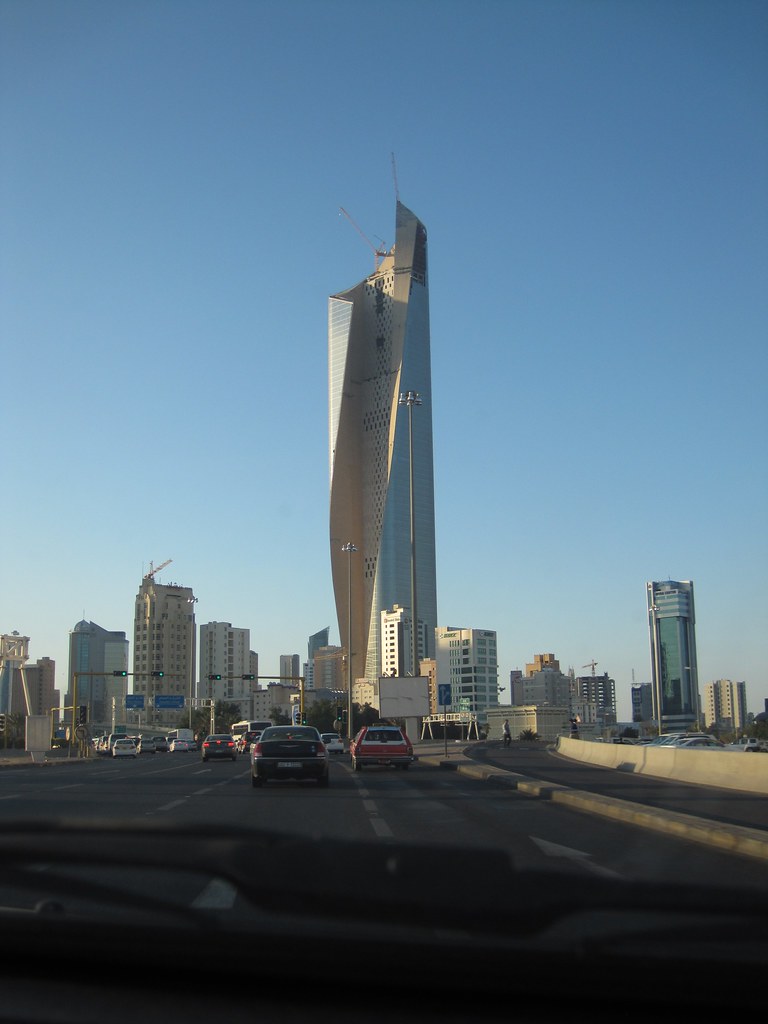
The Al Hamra Tower is Kuwait’s tallest building. Its twisting limestone-clad façade minimises solar heat while creating a visually stunning appearance. The tower reflects Kuwait’s rise as a regional business hub.
- Floors: 80.
- Completion: 2011.
- Architect: Skidmore, Owings & Merrill + CallisonRTKL.
- Cost: $500 million.
- Use: Offices and retail.
5. 23 Marina: Dubai, UAE (392.8 m)
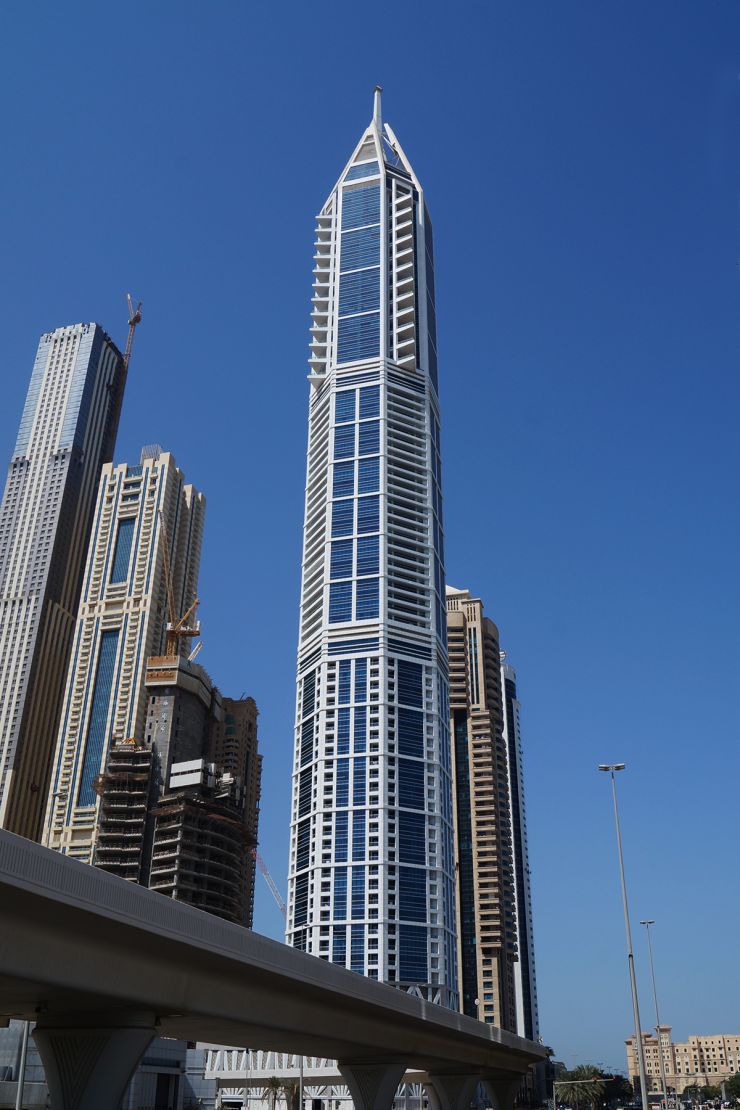
Nicknamed the “Tower of Pools,” 23 Marina epitomises Dubai’s luxury high-rise lifestyle. Residents enjoy private plunge pools and breathtaking sea views.
- Floors: 88.
- Completion: 2012.
- Use: Residential.
- Special Feature: 57 swimming pools.
6. Capital Market Authority (CMA) Tower: Riyadh, Saudi Arabia (385 m)
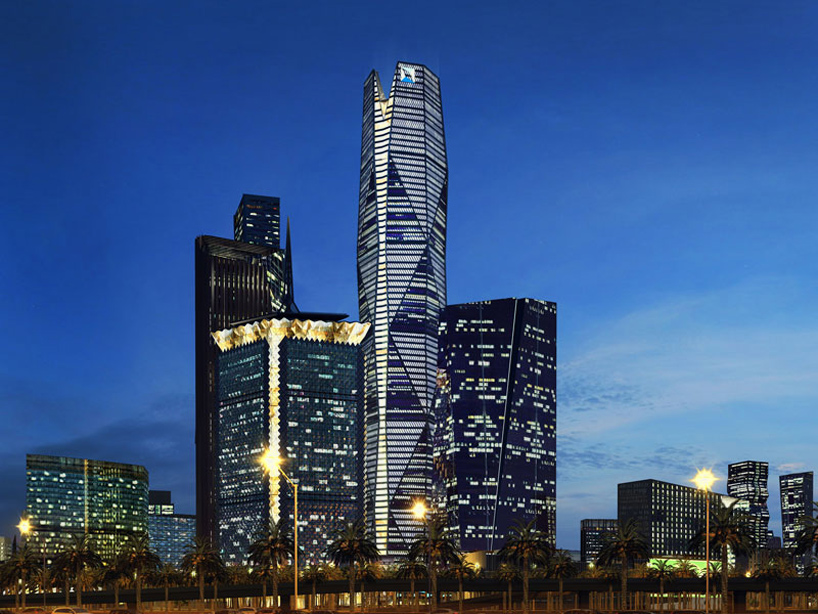
The CMA Tower anchors Riyadh’s King Abdullah Financial District. Its crystalline façade and high-tech infrastructure reflect Saudi Arabia’s Vision 2030 ambitions to establish Riyadh as a global financial hub.
- Floors: 80.
- Completion: 2019.
- Architect: HOK Architects.
- Use: Offices.
7. Elite Residence: Dubai, UAE (380.5 m)
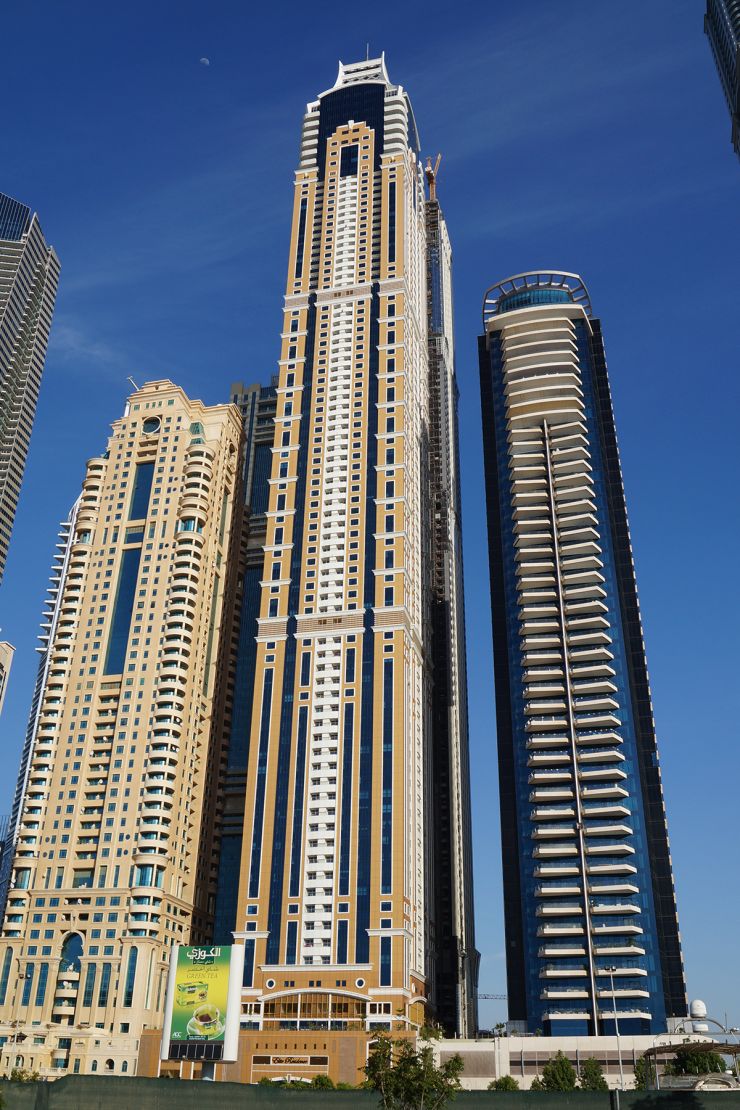
Located near Princess Tower, Elite Residence offers nearly 700 apartments with ultra-modern amenities. It showcases green building technology with energy-efficient systems.
- Floors: 87.
- Completion: 2012.
- Use: Residential.
8. Central Market Residential Tower: Abu Dhabi, UAE (381 m)
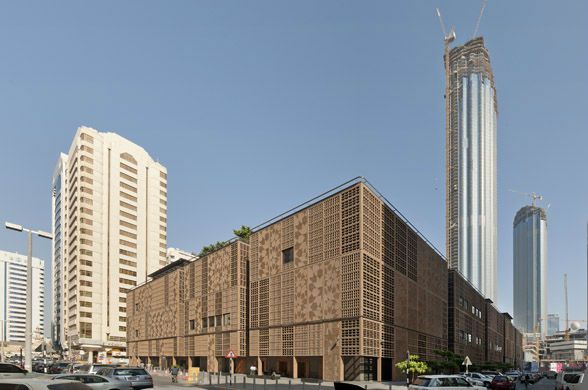
Also known as the World Trade Centre Abu Dhabi, this tower revitalised Abu Dhabi’s old souk area, blending retail, residences, and cultural references.
- Floors: 88.
- Completion: 2014.
- Architect: Foster + Partners.
- Use: Residential and retail.
9. The Address Boulevard: Dubai, UAE (368 m)
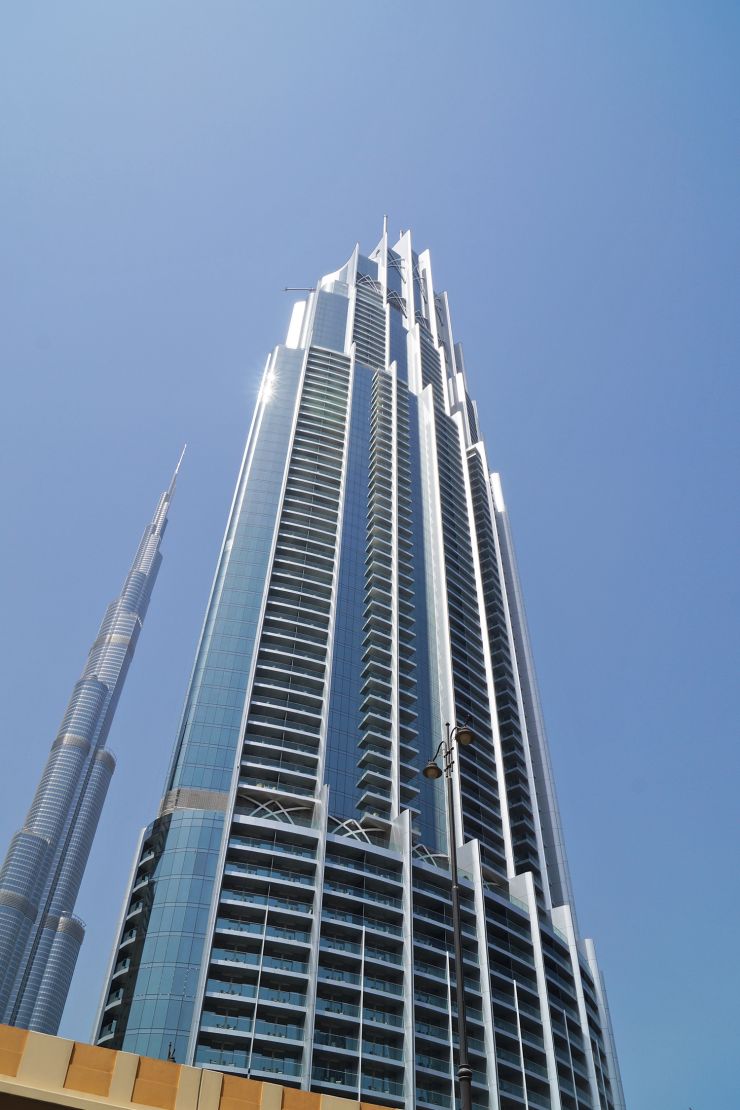
Connected directly to Burj Khalifa and Dubai Mall, The Address Boulevard is both an architectural gem and a luxury lifestyle hub.
- Floors: 72.
- Completion: 2017.
- Use: Hotel and serviced apartments.
10. Emirates Office Tower: Dubai, UAE (355 m)
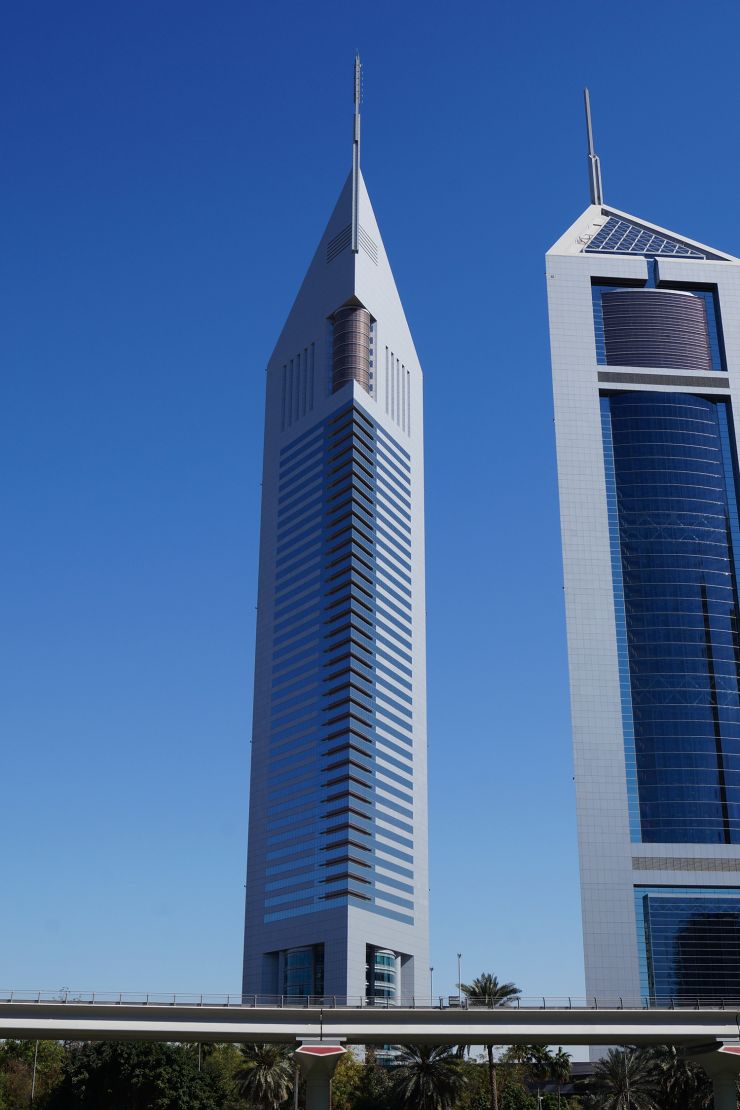
One of Dubai’s early skyscraper icons, the Emirates Office Tower, alongside the Jumeirah Emirates Hotel Tower, set the tone for Dubai’s transformation into a skyscraper capital.
- Floors: 56.
- Completion: 2000.
- Use: Offices.
11. Rose Rayhaan by Rotana: Dubai, UAE (333 m)
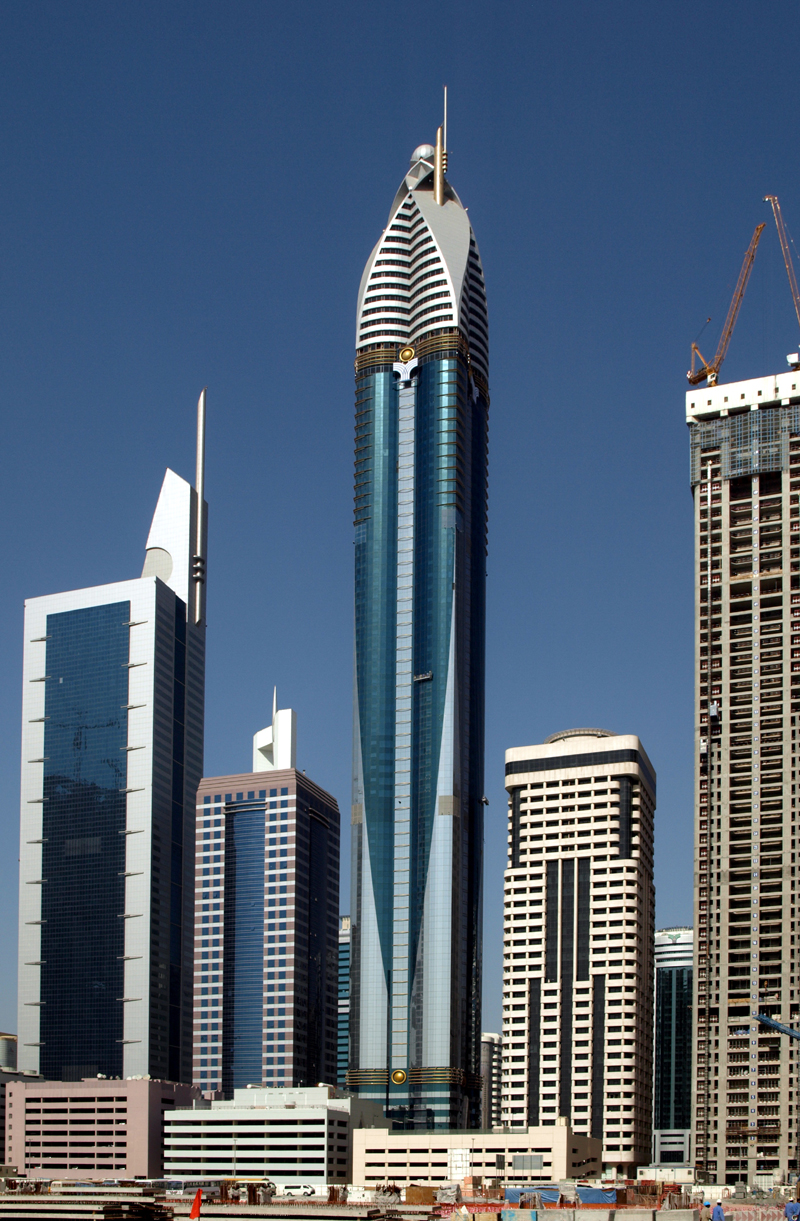
A landmark hotel on Sheikh Zayed Road, it stood as the world’s tallest hotel for several years. Its Islamic-inspired design reflects regional cultural values.
- Floors: 72.
- Completion: 2007.
- Use: Hotel.
12. The Index: Dubai, UAE (328 m)
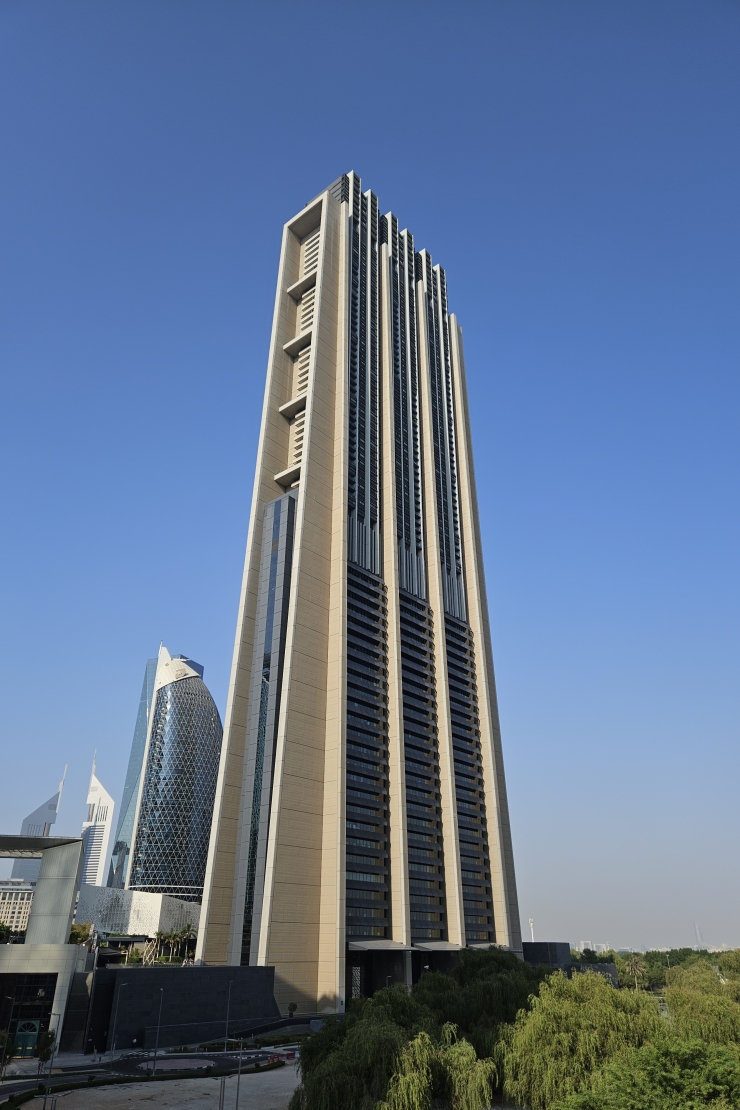
Winner of global awards, The Index is celebrated for its innovative design in construction technology, including natural cooling and reduced energy consumption.
- Floors: 80.
- Completion: 2010.
- Architect: Foster + Partners.
- Use: Offices + Residential.
13. Burj Al Arab, Dubai, UAE (321m)
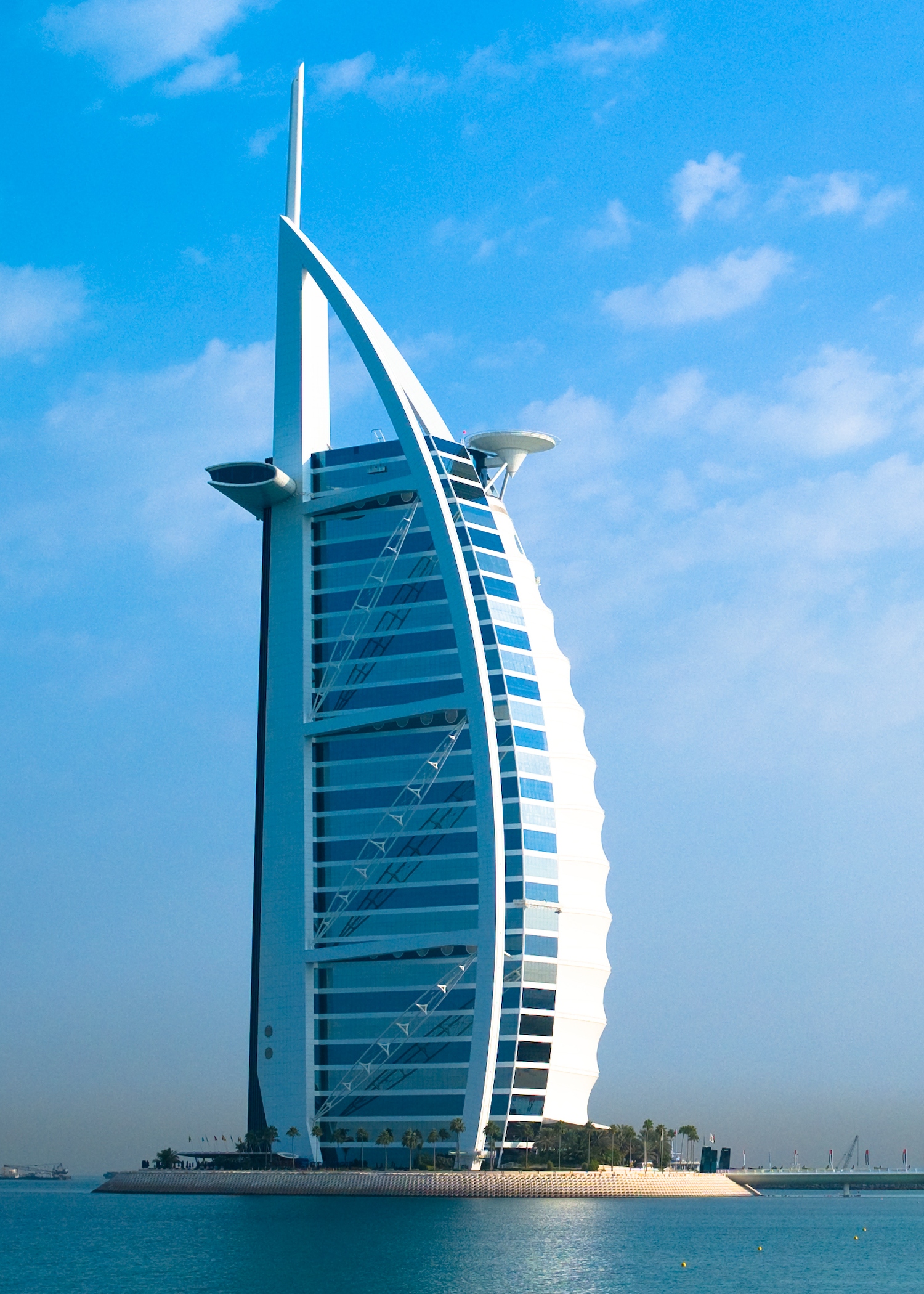
Jumeirah Burj Al Arab, or simply Burj Al Arab, is a luxurious hotel in Dubai, UAE. It is one of the highest hotels in the world. Jumeirah built and runs it; however, 39% of its height is non-occupiable space.
- Floors: 56.
- Completion: 1999.
- Architect: Atkins, led by architect Tom Wright of WKA.
- Use: Luxury hotel.
14. Aspire Tower (The Torch Doha): Doha, Qatar (300 m)
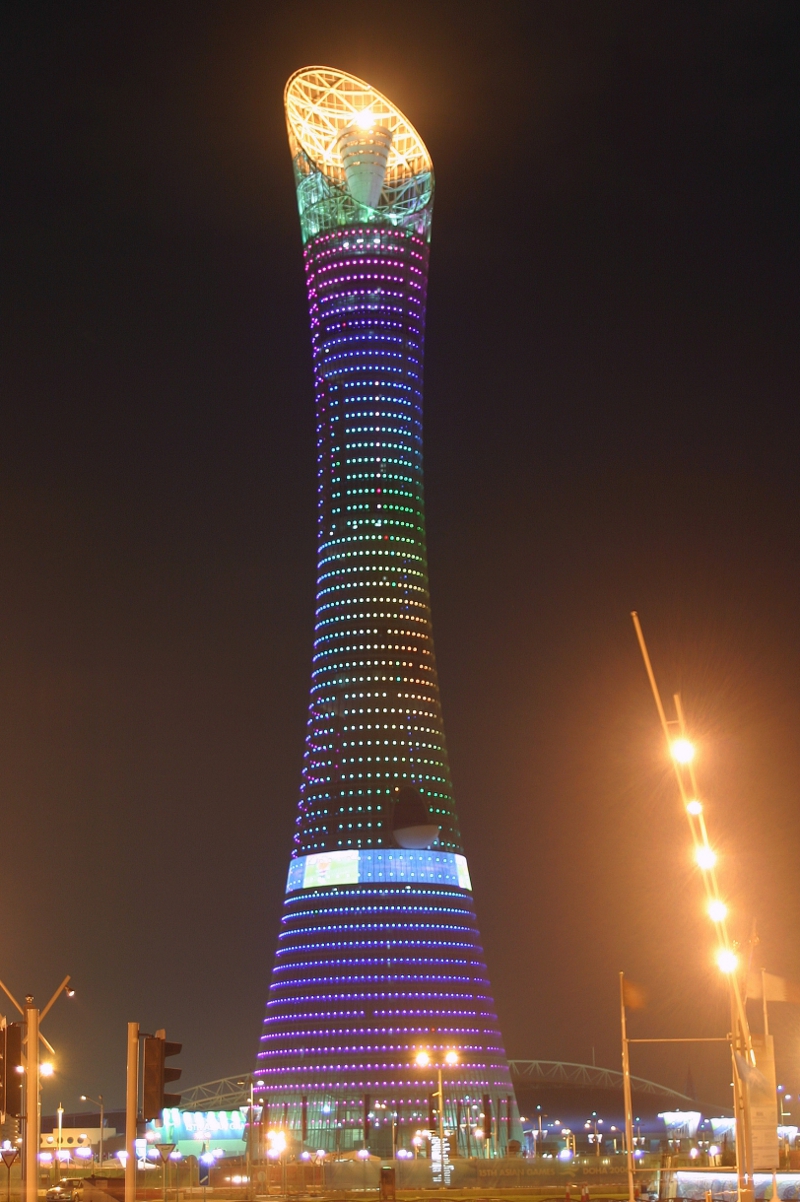
Built for the 2006 Asian Games, Aspire Tower is shaped like a torch and lights up Doha’s skyline at night.
- Floors: 36.
- Completion: 2007.
- Use: Hotel, sports facilities.
- Highlight: LED-lit façade.
15. Al Faisaliah Tower: Riyadh, Saudi Arabia (267 m)
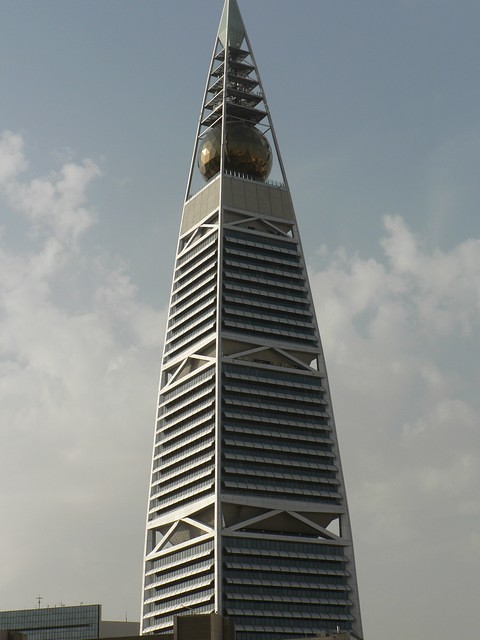
One of Riyadh’s earliest skyscrapers, its glass sphere design is instantly recognisable.
- Floors: 30+.
- Completion: 2000.
- Architect: Foster + Partners.
- Use: Offices, hotels, retail.
16. Doha Tower: Doha, Qatar (238 m)
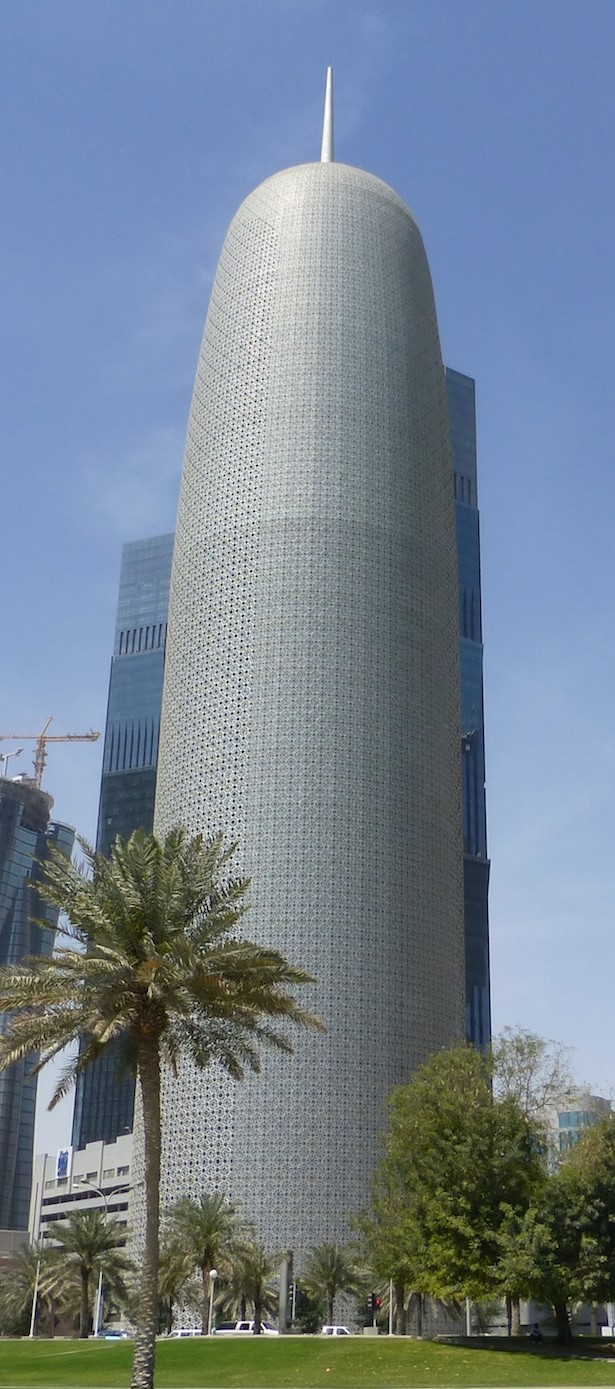
A cylindrical skyscraper wrapped in an intricate façade inspired by Islamic mashrabiya patterns—merging cultural heritage with modern design.
- Floors: 46.
- Completion: 2012.
- Architect: Jean Nouvel.
- Use: Offices.
17. Dubai Creek Tower: Dubai, UAE (828+ m, on hold)
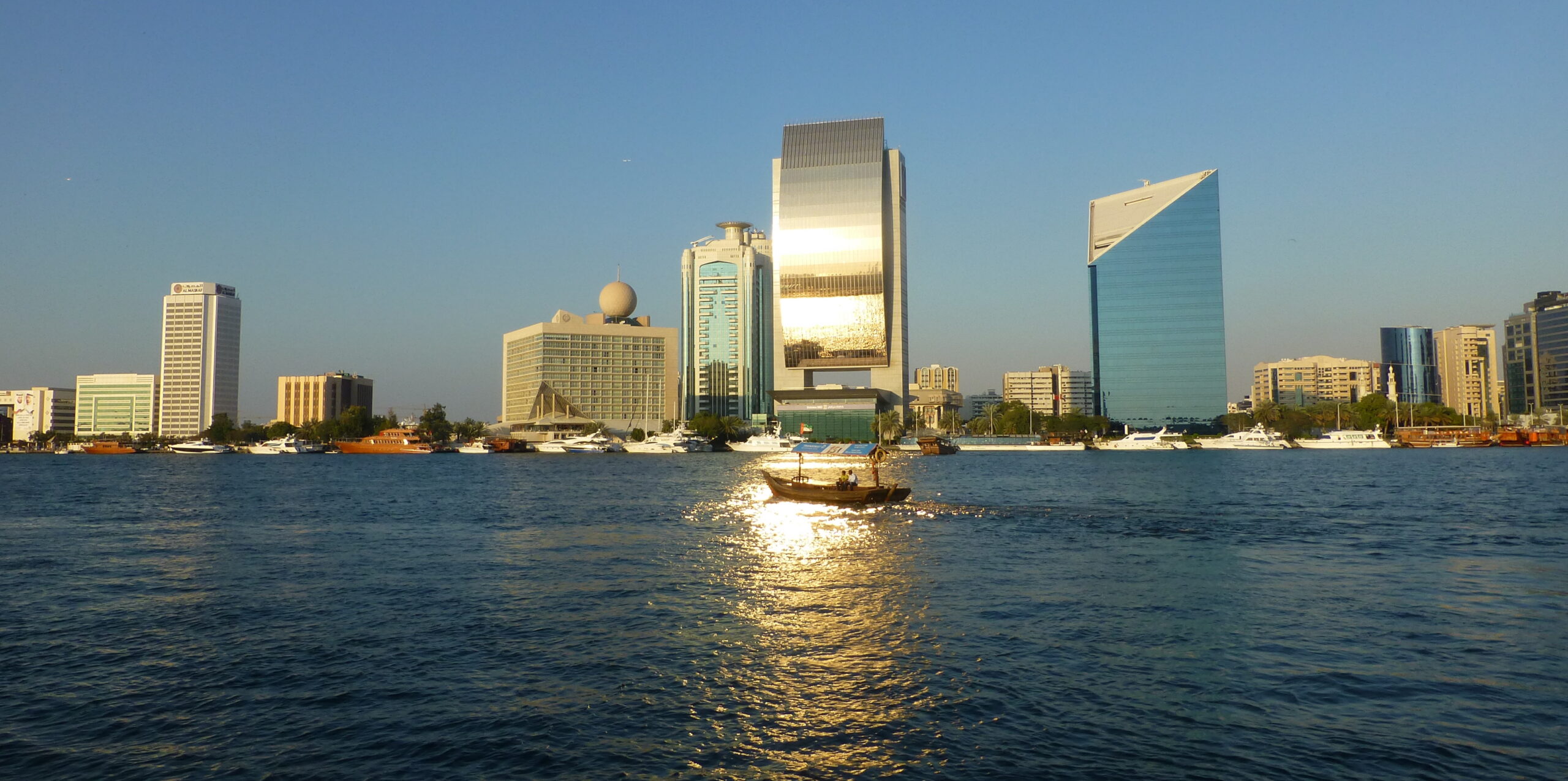
Although construction is on hold, Dubai Creek Tower is designed to anchor Dubai Creek Harbour and attract global attention once resumed.
- Architect: Santiago Calatrava.
- Vision: A soaring spire surpassing Burj Khalifa in elegance.
18. Dubai One Tower: Dubai, UAE (711 m, proposed)
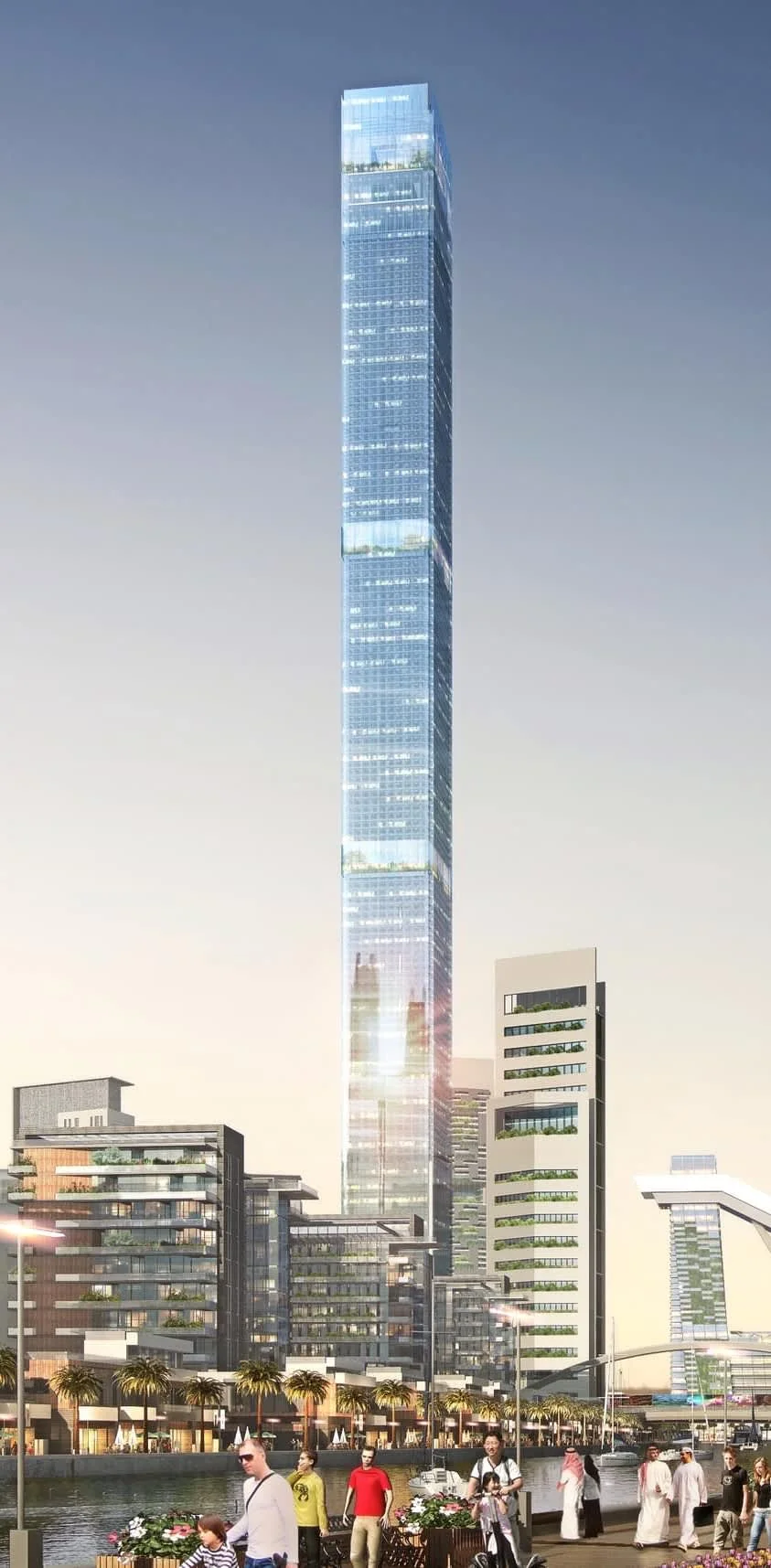
Among Dubai’s most ambitious proposals stands the Dubai One Tower, a visionary project designed to push the limits of height and luxury. If completed, this architectural marvel would redefine Dubai’s skyline and join the ranks of the world’s tallest skyscrapers.
- Vision: A mixed-use supertall building featuring hotels, apartments, and retail.
- If built, it would become one of the tallest towers globally.
19. The Line: NEOM, Saudi Arabia (Concept)
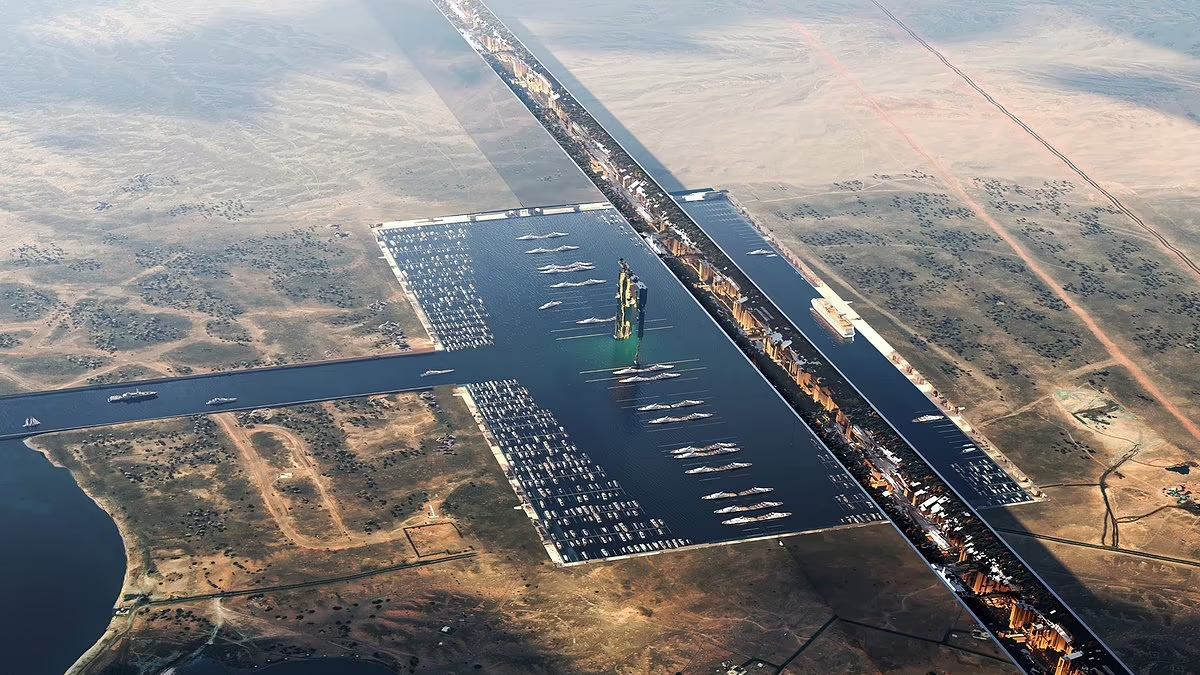
Though conceptual, The Line could revolutionise global architecture, redefining the very meaning of skyscrapers.
- Vision: A 170 km mirrored skyscraper city.
- Part of: Saudi Arabia’s $500 billion NEOM project.
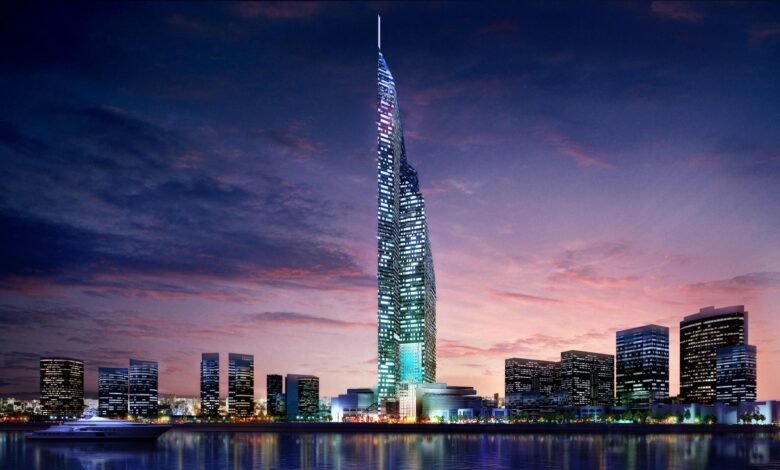
20. Jeddah Tower: Jeddah, Saudi Arabia (1,000+ m, under construction)
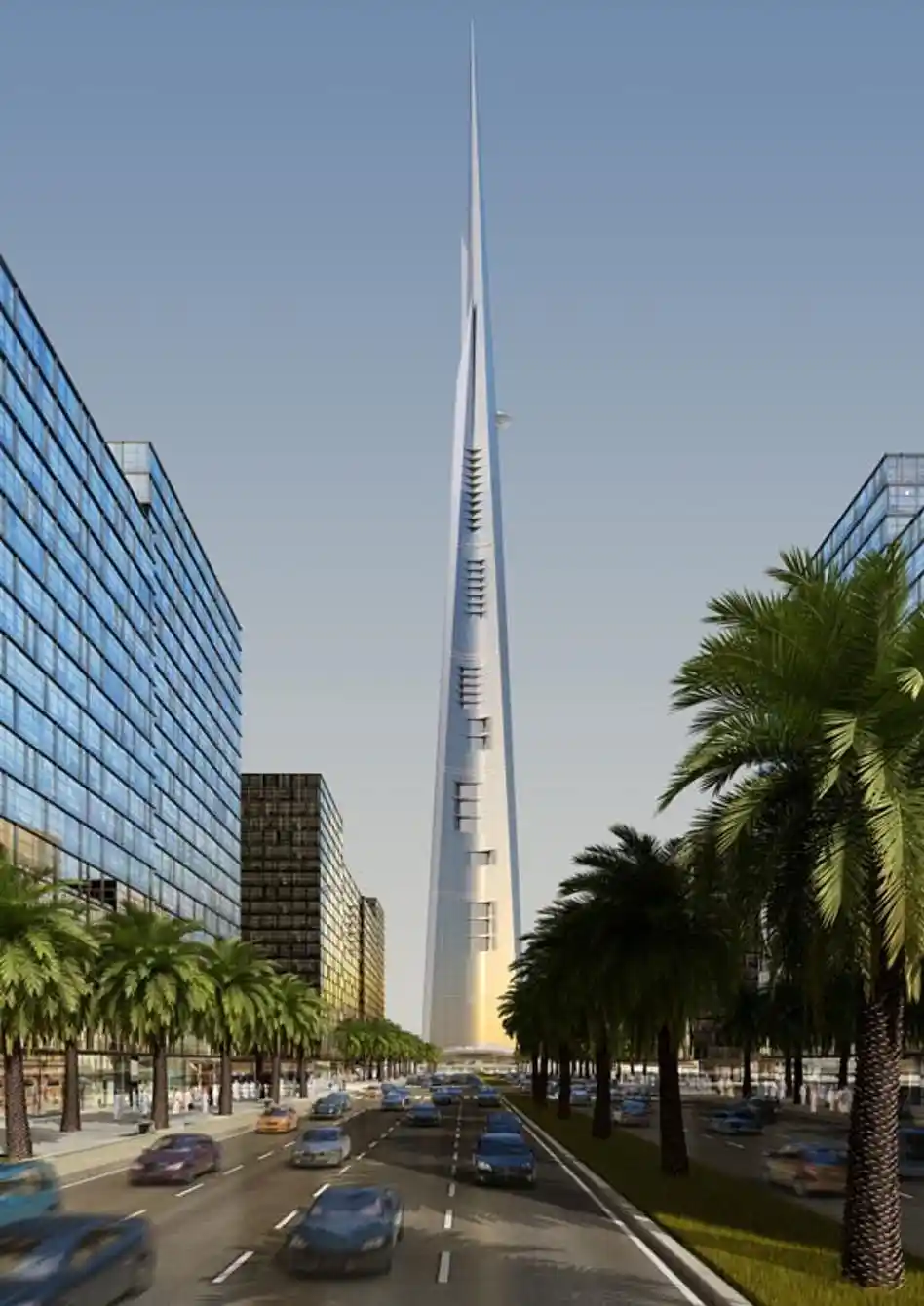
The Jeddah Tower is set to dethrone the Burj Khalifa as the world’s tallest building. Stretching beyond 1 km, it is the centrepiece of Jeddah Economic City, with offices, hotels, and observation decks.
- Floors: 167+.
- Completion (expected): TBD.
- Architect: Adrian Smith + Gordon Gill.
- Cost: $1.23 billion.
Middle East Skyscrapers: Beyond Record-Breaking Heights
The skyscraper race in the Middle East is not only about reaching the skies—it is also about sustainable built environments. Developers are adopting green building materials, eco-friendly technologies, and smart building systems to reduce energy use and carbon footprints.
For example, the Index in Dubai integrates passive cooling, while Al Hamra Tower uses its twisting façade to reduce solar exposure. Future projects like NEOM are pushing net-zero city designs.
Conclusion: Iconic Towers, Iconic Ambitions
From Dubai’s futuristic Marina to Riyadh’s financial district, and from Doha’s sports-inspired towers to Kuwait’s twisting landmarks, the tallest skyscrapers in the Middle East represent ambition on a global scale. With upcoming projects like Jeddah Tower and NEOM’s The Line, the region is set to dominate skyscraper innovation for decades to come.
Stay Updated on Global Skyscraper Innovation
Explore Construction Frontier: Global Megaprojects for in-depth insights into the world’s tallest skyscrapers, iconic skyline developments, and the engineering breakthroughs transforming cities across the Middle East, Africa, and emerging global markets. Discover the visionary designs, construction technologies, and megaprojects shaping the future of urban development.