Undersea Tunnels and Sea Crossings: 12 Brilliant Engineering Megaprojects Redefining What’s Possible
Undersea tunnels and sea crossings have become the defining infrastructure challenge of the twenty-first century, linking islands, nations, and economic regions across waters once deemed impassable. From Japan’s Seikan Tunnel beneath the Tsugaru Strait to the artificial islands anchoring the Hong Kong-Zhuhai-Macau Bridge, twelve megaprojects now define the upper limits of subsea and maritime engineering. This article maps the engineering methods, costs, and risks behind the most ambitious undersea tunnels and sea crossings ever attempted.
Technical Snapshot: Core Project Specifications
| Cluster Scope | 12 megaprojects spanning undersea tunnels and sea crossings on four continents |
| Longest Undersea Tunnel | Seikan Tunnel, Japan, 53.85 km, 23.3 km undersea |
| Longest Sea-Crossing Bridge-Tunnel | Hong Kong-Zhuhai-Macau Bridge, 55 km |
| Deepest Subsea Road Tunnel | Rogfast Tunnel, Norway, 392 metres below sea level |
| Largest Single Investment | Fehmarnbelt Tunnel, Denmark-Germany, approximately $11 billion |
| Combined Construction Span | Over six decades of subsea tunnelling and sea-crossing engineering, 1964 to present |
| Core Engineering Methods | Immersed tube, bored tunnel, suspension bridge, cable-stayed bridge, artificial island |
Each project in this snapshot represents a distinct engineering response to a unique strait, seabed, or political border. Yet, all twelve share the same core discipline: subsea infrastructure design under extreme pressure, corrosion, and geological uncertainty.
Introduction: Engineering the World’s Sea-Crossing Frontier
Few branches of civil engineering carry the same combination of risk, cost, and reward as undersea tunnels and sea crossings. Connecting a coastline to an island, or one nation to another, demands a structure that can resist saltwater corrosion, seismic loading, and shipping traffic for a century or more. Across 12 megaprojects examined in this guide, engineers have met that demand with immersed tube tunnels, bored rock tunnels, suspension bridges, cable-stayed spans, and artificial islands, often combining several methods within a single crossing.
This piece sits at the centre of Construction Frontier’s Undersea Tunnels & Sea Crossings cluster, working alongside a guide on proven undersea tunnel construction methods that breaks down the methods referenced throughout this guide in far greater technical depth. Where that pillar explains how these structures are built, this superhub explains why each of the twelve projects matters and how they compare against one another.
Undersea tunnels and sea crossings are not a niche category of infrastructure. They carry freight corridors, commuter rail lines, and motorway traffic that would otherwise depend on ferries or lengthy detours. Norway alone is building a fjord-crossing road network around subsea tunnels precisely because ferries cannot match the reliability of an undersea tunnel or sea crossing. The world’s greatest undersea tunnels and sea crossings are engineering achievements that require weighing length, depth, cost, and economic impact together, which is exactly the approach the sections below take across all twelve projects.
Readers comparing these structures purely on the longest undersea tunnels and sea crossings: construction facts will find the data tables later in this guide useful, since length and depth alone rarely tell the full engineering story behind any single crossing.
Why Undersea Tunnels and Sea Crossings Define Modern Civil Engineering
Sea-crossing megaproject engineering sits at the intersection of geology, hydraulics, and structural design in a way few other infrastructure categories demand, which is exactly why rankings of the world’s greatest undersea tunnels and sea-crossing engineering achievements rarely agree on a single methodology. A bridge over a river faces predictable loads. A crossing over open water, by contrast, must withstand storm surge, tidal scour, the risk of shipping collisions, and, in many cases, seismic activity, all while remaining watertight for design lives that frequently exceed 100 years.
The world’s greatest undersea tunnels and sea crossings are engineering achievements that share three recurring traits: they shorten journeys that previously required hours of detours or ferry transit, they unlock economic integration between regions separated by water, and they push contractors toward construction methods that did not exist a generation earlier. The immersed tube method used on the Fehmarnbelt Tunnel, for instance, was barely feasible at this scale before advances in precast concrete casting and underwater positioning systems matured over the past two decades.
Cost is the other constant. Major subsea tunnel infrastructure routinely runs into the billions of dollars per project, driven by the need for specialised tunnel boring machines, marine plant, and decades-long maintenance contracts. The cost and design considerations of the deepest undersea tunnel infrastructure projects are inseparable: depth drives pressure, which in turn drives wall thickness and ventilation requirements, and every added metre of depth compounds the bill.
Further Reading: Undersea Tunnel Engineering: 10 Proven Construction Methods Powering the World’s Most Ambitious Sea Crossings
12 Brilliant Engineering Megaprojects Redefining Undersea Tunnels and Sea Crossings
The following ranking ranks projects by length, depth, engineering ambition, and regional economic impact to identify the most ambitious undersea tunnel and sea-crossing megaprojects currently operating or under construction. Each entry links to its dedicated Construction Frontier article for a full technical breakdown.
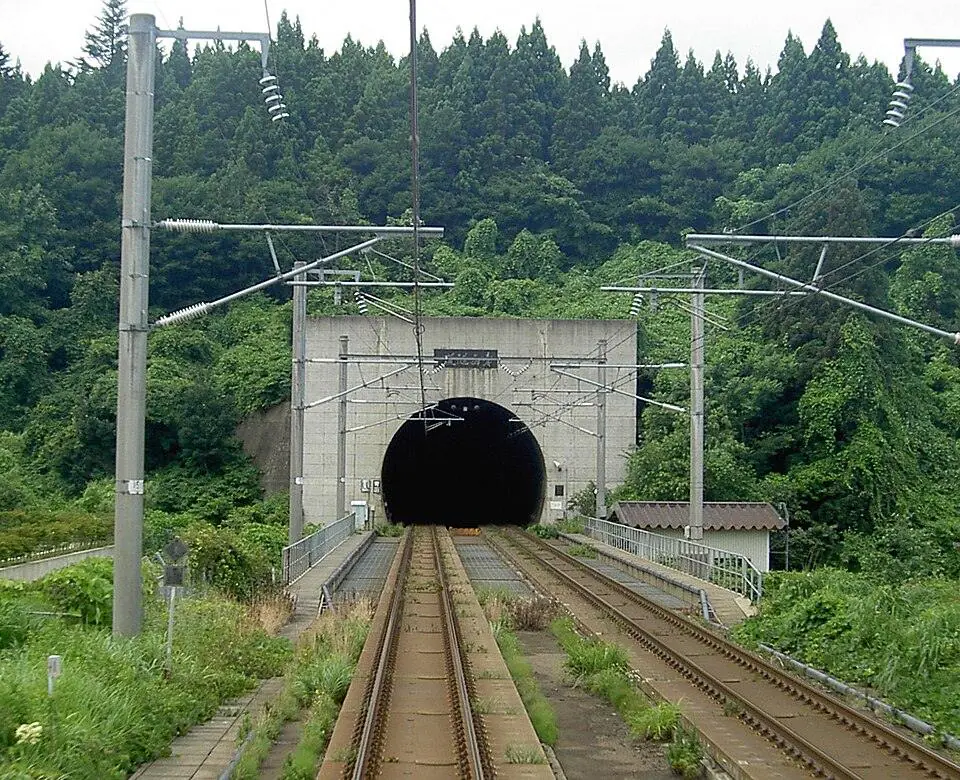
1. Seikan Tunnel, Japan: The Longest Undersea Tunnel in the World
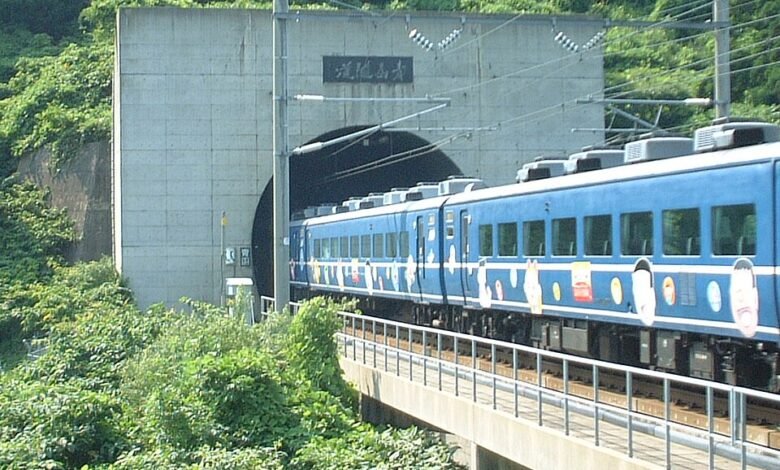
The Seikan Tunnel beneath the Tsugaru Strait remains the longest undersea tunnel in the world by undersea distance, running 53.85 km between Honshu and Hokkaido, with 23.3 km beneath the seabed. As the deepest sea crossing Japan has ever attempted shows in detail, it was built using drill-and-blast and pilot tunnel methods long before modern tunnel boring machines made subsea excavation faster and safer, after a 24-year construction programme that finished in 1988.
Three parallel bores, a main rail tunnel, a pilot tunnel, and a service tunnel allowed engineers to manage groundwater inflow and rock instability as they advanced beneath some of the most geologically complex seabeds in the Pacific. Drainage galleries and emergency stations built into that third bore remain in active use today, a precaution few crossings of this scale had ever required before.
2. Hong Kong-Zhuhai-Macau Bridge: The World’s Longest Sea Crossing
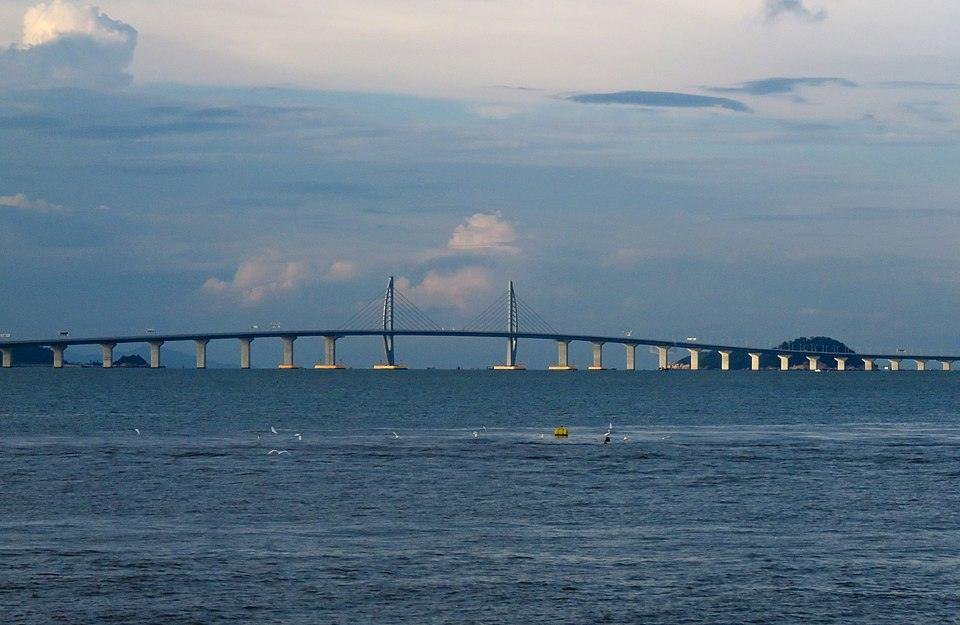
At 55 km in total length, the Hong Kong-Zhuhai-Macau Bridge stands as the world’s longest sea crossing and arguably the most iconic sea-crossing bridge-tunnel ever constructed, a claim explored further in the engineering feats behind the HZMB record-breaking crossing. The crossing combines a cable-stayed bridge section, a 6.7 km immersed-tube tunnel beneath the Pearl River Estuary’s main shipping channel, and two artificial islands that serve as transition points for traffic between the bridge and the tunnel.
Engineers selected the tunnel section specifically to avoid disrupting one of the world’s busiest shipping lanes, a constraint that ruled out a continuous bridge. That same shipping-lane logic runs through the pillar discussion of engineering methods spanning the open ocean, which explains why several of the world’s longest crossings are hybrids rather than single-method structures.
3. Fehmarnbelt Tunnel: The Most Expensive Immersed Tube on Earth
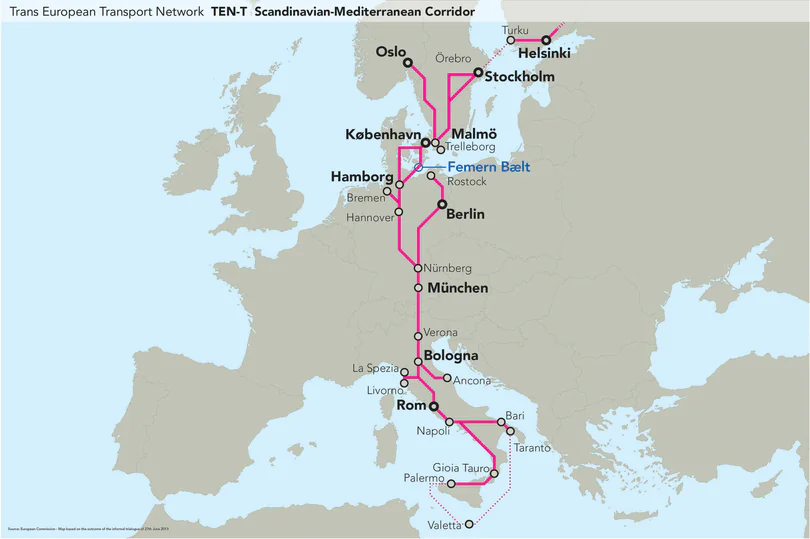
The Fehmarnbelt Tunnel connecting Denmark and Germany is being built as an 18 km immersed-tube tunnel, making it the longest combined road-and-rail immersed-tube tunnel under construction anywhere. The Fehmarnbelt, at an estimated cost of roughly $11 billion, ranks among the most ambitious undersea tunnel and sea-crossing megaprojects currently underway in Europe.
Rather than boring through the seabed, contractors are casting massive concrete tunnel elements onshore, towing them into a pre-dredged trench, and joining them underwater, a method chosen because the strait’s soft seabed sediments made traditional tunnel boring impractical. That casting yard has already become a case study for other Scandinavian agencies as they plan their own future crossings.
(Source: Femern A/S)
4. Rogfast Tunnel: The Deepest Undersea Road Tunnel
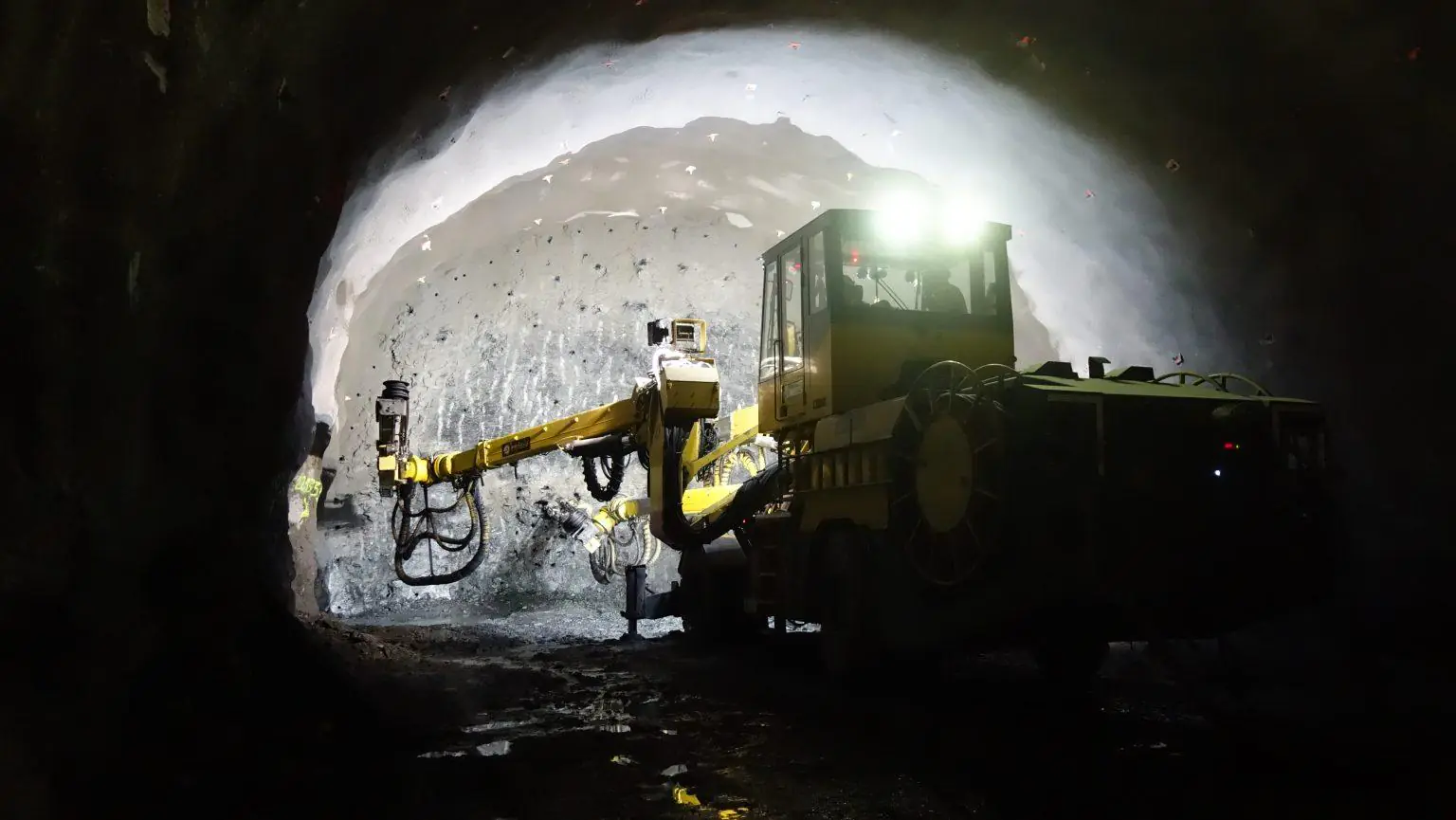
Norway’s Rogfast Tunnel, profiled in this feature on the world’s deepest undersea road tunnel, will descend 392 metres below sea level once complete, making it a defining entry among the deepest undersea tunnel infrastructure projects, with its cost and design challenges highlighted in this guide. The 26.7 km bored rock tunnel replaces a ferry crossing that previously caused significant delays on the E39 coastal highway corridor.
Drill-and-blast excavation through hard Norwegian bedrock, combined with an underground roundabout connecting to a separate spur tunnel, makes this one of the most structurally complex subsea road tunnels ever attempted. Norway’s broader fjord-crossing strategy treats this complexity as routine rather than exceptional, a sign of how far confidence in subsea road-tunnelling has grown.
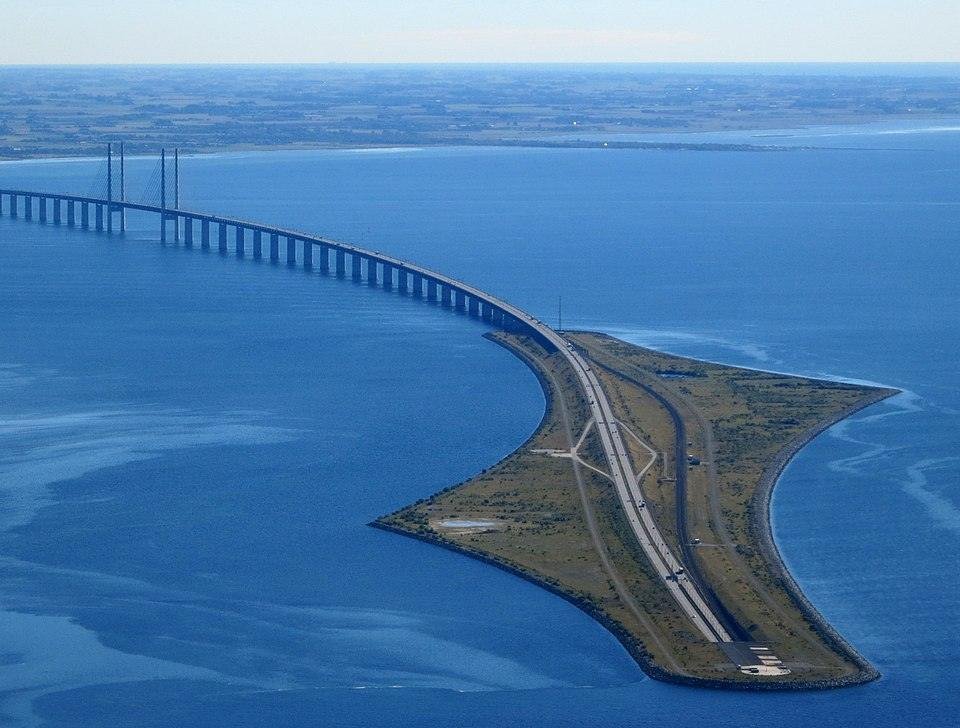
5. Øresund Bridge: A Hybrid Bridge-Tunnel Connecting Two Nations
The Øresund Bridge linking Denmark and Sweden combines a cable-stayed bridge, an artificial island called Peberholm, and the Drogden immersed tube tunnel into a single 16 km crossing, a design covered at length in Scandinavia’s most iconic hybrid sea crossing. It is a textbook example of an iconic sea-crossing bridge-tunnel, designed around aviation flight paths near Copenhagen Airport, which made a continuous bridge across the strait’s northern section impossible.
The crossing carries both motorway and rail traffic on a double-deck structure, a design decision that reduced the right-of-way footprint while doubling capacity. That dual-deck approach has since been studied closely by planners on at least two other crossings in this guide, looking to combine rail and road within a single corridor.
Further Reading: World’s Longest Sea Crossing: 7 Proven Engineering Methods That Span the Open Ocean
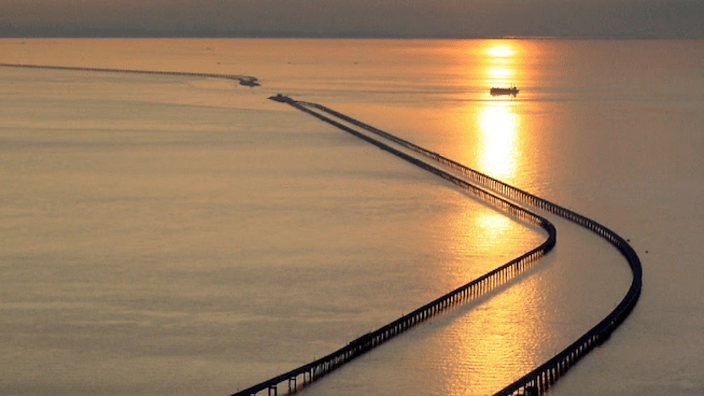
6. Chesapeake Bay Bridge-Tunnel: America’s Longest Sea Crossing
Completed in 1964, America’s longest sea crossing, the Chesapeake Bay Bridge-Tunnel in Virginia, spans 28.4 km and combines low-level trestles, two-mile-long tunnels, and four artificial islands. It predates almost every other project in this cluster, yet its engineering principles, particularly its use of man-made islands to transition between trestle and tunnel, influenced later crossings, including the Hong Kong-Zhuhai-Macau Bridge.
Surviving more than six decades of Atlantic storm exposure with only incremental upgrades is itself a case study in durable maritime engineering design. Few crossings built in the same decade are still carrying daily traffic without a full structural replacement, which says as much about the original design margins as it does about subsequent maintenance.
7. Channel Tunnel: The Benchmark for Cross-Border Undersea Rail
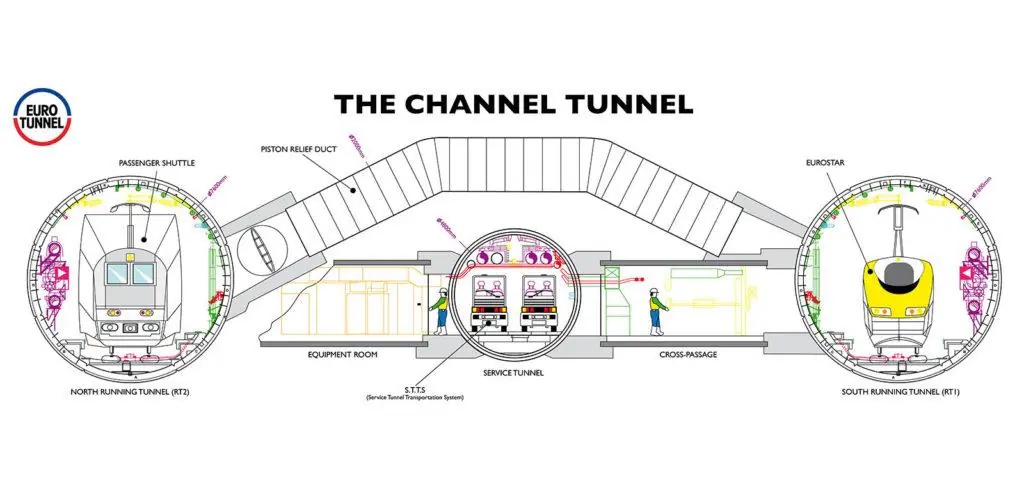
The Channel Tunnel between England and France runs 50.45 km, with 37.9 km beneath the English Channel, and remains the reference project against which most major subsea tunnel infrastructure is measured. Twin rail bores flank a central service tunnel used for ventilation, drainage, and emergency evacuation, a three-tunnel configuration that has since been echoed by the Seikan Tunnel and several Alpine base tunnels, as detailed in the engineering breakthroughs behind the world’s most iconic cross-border link.
Its 1994 completion proved that boring through chalk marl beneath the open sea was commercially viable at scale, opening the door to the wave of European cross-border tunnels that followed. That commercial proof is arguably the project’s most lasting legacy, more so than any single record it set at the time of opening.
8. Eysturoy Tunnel: The World’s First Undersea Roundabout
The Faroe Islands’ Eysturoy Tunnel runs 11.24 km beneath Skálafjørður fjord and includes the world’s first undersea roundabout, a junction carved 187 metres below sea level that splits traffic toward two separate destinations. It is a compact yet genuinely novel entry among the most ambitious undersea tunnels and sea-crossing megaprojects on this list, given that the population it serves is barely 50,000.
Coloured lighting and artwork inside the roundabout chamber were added specifically to help drivers orient themselves underground, a human-factors detail rarely seen in subsea tunnel engineering design. Few engineering teams anywhere have had to solve wayfinding and structural design together quite so literally.

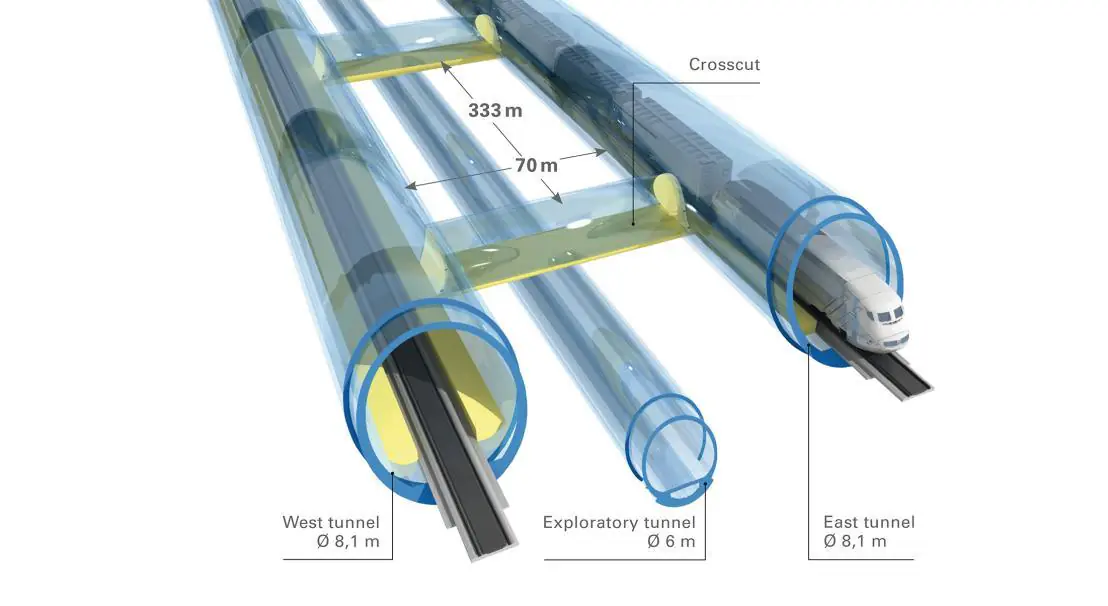
9. Brenner Base Tunnel: Europe’s Deepest Alpine Crossing
While not a sea crossing in the literal sense, the Brenner Base Tunnel between Austria and Italy, examined in Europe’s deepest Alpine rail crossing, belongs in any serious review of major subsea tunnel infrastructure because it applies identical deep-bore engineering principles beneath the Alps that other projects apply beneath straits and bays. At 55 km, it will become the world’s longest underground rail connection upon completion.
Engineers are tunnelling through some of the most geologically unstable rock in Europe, including fault zones that demanded entirely bespoke ground-freezing and support sequences. Few Alpine projects have required this degree of bespoke ground treatment over such a long bore.
10. Strait of Messina Bridge: Europe’s Most Ambitious Unbuilt Crossing
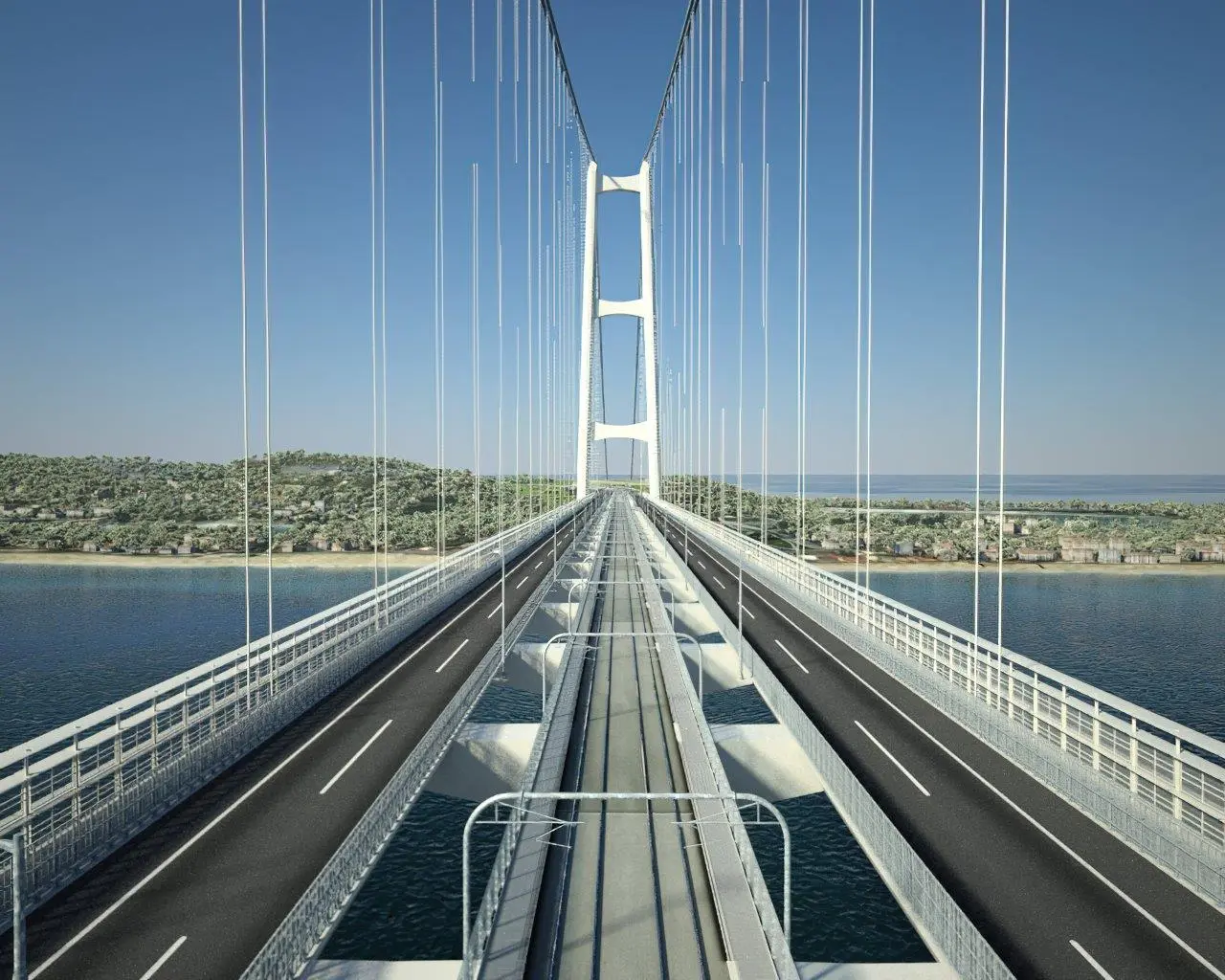
The proposed Strait of Messina Bridge linking Sicily to mainland Italy, the subject of Italy’s most ambitious unbuilt megaproject, would become the longest single-span suspension bridge in the world if built, at roughly 3.3 km across one of the Mediterranean’s most seismically active straits. It is the clearest example in this cluster of undersea tunnel and sea-crossing engineering challenges and solutions that remain actively debated rather than resolved.
Wind loading, seismic risk, and the strait’s strong tidal currents have repeatedly stalled the project since the 1960s, even as Italy’s government has revived funding commitments in recent years. Few proposals anywhere have been redesigned, defunded, and revived as many times as this one while still being taken seriously by national planners.
11. Huajiang Grand Canyon Bridge: The World’s Highest Bridge
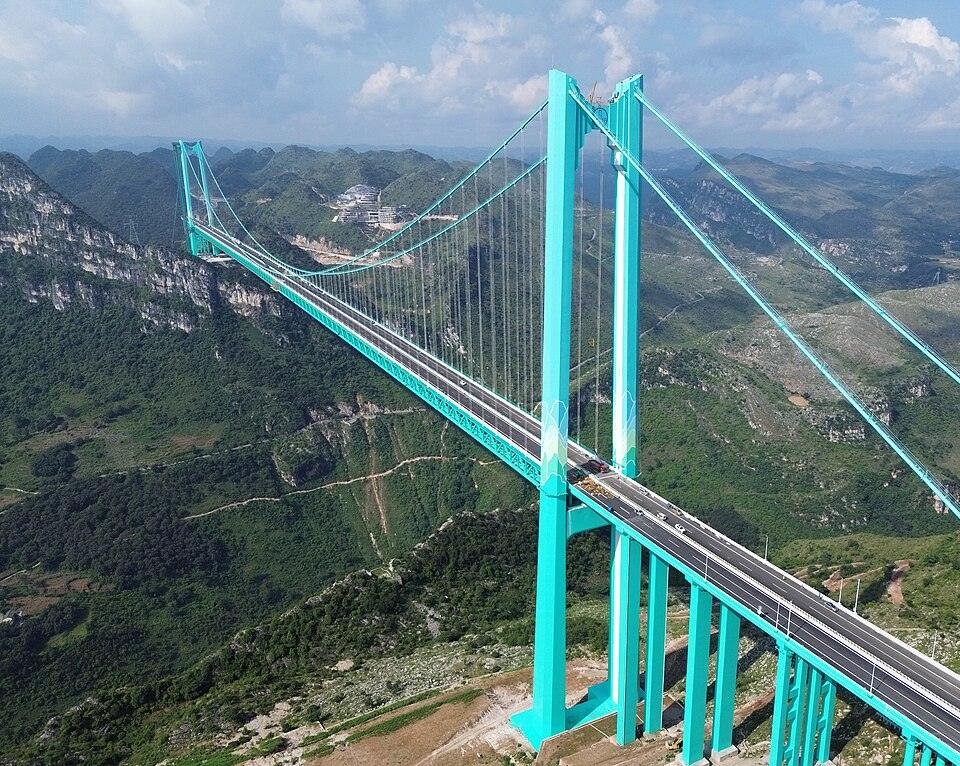
China’s Huajiang Grand Canyon Bridge in Guizhou Province, which features engineering behind the world’s highest bridge, rises 625 metres above the canyon floor, making it the highest bridge on Earth and a useful counterpoint to the undersea projects in this guide. It demonstrates the same cable engineering and deep-foundation principles used in sea-crossing bridge sections, applied instead to extreme vertical terrain rather than open water.
The bridge’s main towers were anchored into canyon walls using techniques borrowed directly from offshore platform engineering, reinforcing the interconnectedness of bridge and tunnel megaproject engineering globally. The same anchoring logic that holds a tower steady against canyon winds turns out to translate almost directly to holding a bridge tower steady against open-sea gusts.
12. Europe’s Next-Generation Mega Tunnels
Beyond the named projects above, Europe is advancing a wider programme of cross-border tunnels designed to relieve congestion and cut freight emissions across the continent, as surveyed in the next-generation cross-border tunnels reshaping Europe. These next-generation projects apply the same lessons learned from the Channel Tunnel and Brenner Base Tunnel to new corridors, often with tighter environmental permitting and digital monitoring requirements than earlier generations of subsea and Alpine tunnels faced.
Taken together, these schemes represent the next wave of major subsea tunnel infrastructure investment in Europe through the 2030s, building directly on lessons that took the rest of this cluster decades to learn the hard way.
Further Reading: Bridge and Tunnel Megaprojects: 9 Remarkable Engineering Feats at the Limits of Possibility
Regional Patterns in Sea-Crossing Megaprojects Engineering
Sea-crossing megaproject engineering follows distinct regional patterns once enough projects are compared side by side. Asia has concentrated on bridge-tunnel hybrids built for raw scale, exemplified by the Hong Kong-Zhuhai-Macau Bridge and Japan’s Seikan Tunnel, both designed to move enormous volumes of freight and passenger traffic across some of the busiest waterways on the planet. Among the world’s greatest undersea tunnels and sea crossings, Asia’s contributions tend to prioritise throughput and shipping-lane clearance over almost every other design variable.
Europe, by contrast, has built its sea-crossing megaprojects engineering programme around cross-border political integration as much as around raw capacity. The Øresund Bridge, the Channel Tunnel, and the Fehmarnbelt Tunnel all exist primarily because two neighbouring states agreed that a fixed link served both economies better than a ferry timetable ever could. This is one of the clearest, longest undersea tunnels and sea crossings: construction facts and patterns in the entire cluster. European projects are negotiated as treaties first and engineered second, while Asian and North American projects are typically commissioned as domestic infrastructure from the outset.
North America’s sole entry in this guide, the Chesapeake Bay Bridge-Tunnel, reflects an earlier era of engineering altogether. Built in 1964, it predates the immersed-tube refinements used on the Fehmarnbelt and the artificial-island techniques later perfected on the Hong Kong-Zhuhai-Macau Bridge. Its continued service after six decades nonetheless ranks it among the most ambitious undersea tunnel and sea-crossing megaprojects of its generation, and its trestle-and-tunnel hybrid design quietly influenced nearly every long-span crossing built since.
Norway and the Faroe Islands represent a third pattern entirely: small populations, extreme fjord topography, and a national appetite for replacing ferries with permanent subsea links regardless of project cost. Rogfast and Eysturoy are not the longest undersea tunnels and sea crossings in the world, but they may be the most numerous per capita, reflecting a deliberate national policy rather than a single landmark ambition. Undersea tunnel and sea-crossing engineering challenges and solutions in this region centre on extreme depth and remote logistics rather than on scale or shipping-lane interference.
Taken together, these regional patterns confirm that iconic undersea tunnels and sea crossings around the world are never built for identical reasons. Some answer a shipping-lane constraint, others a treaty obligation, and others a national policy on ferry replacement. What unites all twelve projects in this guide is a shared engineering vocabulary: immersed tube casting, deep-bore ventilation, artificial island reclamation, and cable-stayed or suspension superstructure design, each deployed according to the seabed and political conditions of its specific strait.
Technical Block: Engineering Methods, Comparative Data, and Project Costs
The twelve megaprojects above rely on a small set of recurring construction methods, each suited to different seabed conditions, depths, and traffic requirements. This technical block compares their core specifications directly, then closes with a judgment on how undersea tunnels and sea crossings will continue to evolve over the coming decade.
1. Comparative Specifications Across Major Crossings
The table below aligns ten projects covered in this guide by country, structure type, total length, and completion status, offering a quick reference for the longest undersea tunnels and sea crossings: construction facts that recur across the cluster.
| Project | Country | Type | Total Length | Completion |
| Seikan Tunnel | Japan | Undersea rail tunnel | 53.85 km | 1988 |
| Hong Kong-Zhuhai-Macau Bridge | China | Bridge-tunnel-island system | 55 km | 2018 |
| Fehmarnbelt Tunnel | Denmark / Germany | Immersed tube tunnel | 18 km | Expected 2032 (delayed from 2029) |
| Rogfast Tunnel | Norway | Subsea road tunnel | 26.7 km | Expected 2033 |
| Øresund Bridge | Denmark / Sweden | Bridge-tunnel-island system | 16 km | 2000 |
| Chesapeake Bay Bridge-Tunnel | United States | Bridge-tunnel-trestle system | 28.4 km | 1964 |
| Brenner Base Tunnel | Austria / Italy | Rail base tunnel | 55 km | Expected 2032 |
| Eysturoy Tunnel | Faroe Islands | Subsea road tunnel | 11.24 km | 2020 |
| Channel Tunnel | UK / France | Undersea rail tunnel | 50.45 km | 1994 |
2. Immersed Tube Versus Bored Tunnel Selection
Engineers choose between immersed tube and bored tunnel construction based on seabed geology rather than preference. Soft-sediment straits such as the Fehmarnbelt favour immersed tube sections because boring through loose material risks collapse, whereas harder rock formations beneath the Tsugaru Strait and Norwegian fjords favour drill-and-blast or mechanised boring. This single decision drives nearly every downstream cost and schedule variable on a sea-crossing megaproject’s engineering programme.
3. Depth, Pressure, and Ventilation Design
Every additional metre of depth on an undersea tunnel increases hydrostatic pressure on the tunnel lining and complicates ventilation design. The Rogfast Tunnel’s descent to 392 metres below sea level required ventilation shafts and fire-safety systems engineered well beyond standard road tunnel codes. Undersea tunnel engineering design at this depth treats fire and smoke control as a primary structural input, not an afterthought bolted onto a finished bore.
4. Cost Drivers Across the Cluster
Cost per kilometre varies widely across this cluster, from several hundred million dollars for shorter fjord crossings to more than 10 billion dollars for the Fehmarnbelt Tunnel. Marine plant mobilisation, specialised tunnel-boring machines, and multi-decade maintenance contracts explain why the cost and design choices for the deepest undersea tunnel infrastructure projects are negotiated years before excavation begins. Funding models also differ sharply: state-backed European projects rely on bond financing repaid through tolls, while several Asian crossings are financed directly through national infrastructure budgets.
The cost and design decisions for the deepest undersea tunnel infrastructure projects are rarely separable in practice. Rogfast’s depth alone added ventilation shafts, fire-suppression systems, and pump stations that a shallower crossing would never require, and those additions are estimated to account for a significant share of its total budget. Major subsea tunnel infrastructure of this kind effectively pays a depth premium for every metre below roughly 100 metres, which is why so few road tunnels in this cluster venture as deep as Rogfast.
5. Seismic and Storm Resilience
Undersea tunnel and sea-crossing engineering challenges and solutions converge most visibly in seismic and storm design. The Strait of Messina Bridge proposal remains unresolved, in part, because the strait lies on an active fault line capable of producing severe earthquakes, whereas the Chesapeake Bay Bridge-Tunnel has survived six decades of Atlantic hurricanes through redundant trestle anchoring and regular structural audits. Resilience engineering, not novelty, is what keeps these structures operating across a full design life.
Bridges face a different category of undersea tunnel and sea crossing engineering challenges and solutions than tunnels do, even when they cross the same strait. A suspension or cable-stayed bridge must be engineered to withstand wind flutter and ship-strike risk at its towers, while an immersed tube tunnel must instead resist seabed scour and joint fatigue between its precast sections. The Øresund Bridge’s hybrid design exists precisely because no single solution handled both the open-water span and the airport-adjacent low-clearance section equally well.
6. Maintenance and Long-Term Asset Management
Major subsea tunnel infrastructure does not stop demanding engineering attention once construction ends. The Channel Tunnel and Seikan Tunnel both run continuous drainage, ventilation, and structural monitoring programmes that operate around the clock, decades after opening. Undersea tunnel engineering design increasingly incorporates digital sensor networks from day one, specifically to reduce the cost of this lifetime monitoring obligation, a lesson learned the hard way on older crossings retrofitted with sensors long after completion.
Iconic sea-crossing bridge-tunnel structures such as the Hong Kong-Zhuhai-Macau Bridge and Øresund Bridge now publish design lives of 100 to 120 years, figures that depend entirely on disciplined long-term maintenance rather than the original construction quality alone. Sea-crossing megaprojects’ engineering, in this sense, never truly finishes; it shifts from a construction discipline to an asset-management discipline the moment the first vehicle crosses.
Frequently Asked Questions on Undersea Tunnels and Sea Crossings
The questions below address the queries that engineers, investors, and policymakers most often raise when comparing major sea-crossing infrastructure projects, drawing on the 12 projects profiled throughout this guide.
What is the longest undersea tunnel in the world?
Japan’s Seikan Tunnel is the longest undersea tunnel in the world by undersea distance, with 23.3 km of its 53.85 km length running beneath the Tsugaru Strait. The Channel Tunnel runs a longer undersea section at 37.9 km but has a shorter total length, which is why both projects are frequently cited together when ranking the longest undersea tunnel in the world by different measurement standards. Either way, both sit firmly among the world’s greatest engineering achievements in undersea tunnels and sea crossings of the past half-century.
Which is the world’s longest sea crossing, and what makes it an iconic sea-crossing bridge-tunnel?
The Hong Kong-Zhuhai-Macau Bridge holds the title at 55 km, combining bridge, tunnel, and artificial island sections into a single iconic sea-crossing bridge-tunnel system. Its closest rival for the title of iconic sea-crossing bridge-tunnel is the Chesapeake Bay Bridge-Tunnel, which pioneered the same trestle-island-tunnel formula more than five decades earlier on a smaller scale.
What do the deepest undersea tunnel infrastructure projects’ cost and design decisions typically involve?
The cost and design decisions for the deepest undersea tunnel infrastructure projects revolve around ventilation, fire safety, and pressure-resistant lining, all of which increase with depth. Rogfast’s descent to 392 metres below sea level illustrates how the cost and design choices of the deepest undersea tunnel infrastructure projects are inseparable: every metre of added depth requires a corresponding increase in mechanical systems and structural redundancy, which is reflected directly in the final construction budget.
What construction methods are defined in undersea tunnel engineering design today?
Modern undersea tunnel engineering design relies primarily on immersed tube casting for soft seabeds and mechanised tunnel boring for harder rock, often combined with artificial islands to keep shipping lanes clear. Among the most ambitious undersea tunnels and sea-crossing megaprojects under construction today, Fehmarnbelt and Rogfast represent these two methods at their most advanced, while the Hong Kong-Zhuhai-Macau Bridge shows how both methods can be combined with bridge spans on a single, most ambitious undersea tunnel and sea-crossing megaproject programme.
What undersea tunnel and sea crossing engineering challenges and solutions come up most often?
Seabed geology, seismic exposure, shipping-lane clearance, and storm resilience are the undersea tunnel and sea-crossing engineering challenges and solutions that recur in nearly every project in this cluster. Solutions vary by site: the Strait of Messina relies on seismic-isolation research that remains unresolved, while the Chesapeake Bay Bridge-Tunnel solved storm resilience through redundant trestle anchoring proven over six decades of Atlantic exposure.
Which are the most iconic undersea tunnels and sea crossings around the world?
Among the most iconic undersea tunnels and sea crossings around the world, the Channel Tunnel, the Hong Kong-Zhuhai-Macau Bridge, and the Øresund Bridge consistently top engineering rankings for their combination of scale, novelty, and economic impact. The Eysturoy Tunnel’s undersea roundabout has also become one of the most photographed and discussed of the iconic undersea tunnels and sea crossings around the world, despite serving a fraction of the traffic volume of its larger counterparts.
What are the longest undersea tunnels and sea crossings? Construction facts to know?
The clearest, longest undersea tunnels and sea crossings: construction facts are length, depth, and construction method. Seikan leads on undersea distance, Hong Kong-Zhuhai-Macau Bridge leads on total crossing length, and Rogfast leads on depth below sea level. A second set of the longest undersea tunnels and sea crossings: construction facts worth noting, the timeline: the Chesapeake Bay Bridge-Tunnel opened in 1964, while Fehmarnbelt and Brenner Base Tunnel are both now targeting completion in 2032 and Rogfast in 2033, a near 70-year gap that reflects how much engineering ambition has grown across this category.
Investors and policymakers comparing the engineering portfolios of the world’s greatest undersea tunnels and sea crossings tend to weight three factors above all others: construction cost per kilometre, projected design life, and the strength of the freight or commuter demand the crossing unlocks. Undersea tunnel engineering design that scores well on all three, as Seikan and the Channel Tunnel have over multiple decades, tends to attract the strongest follow-on investment in connecting infrastructure, such as rail electrification and motorway upgrades. By that measure, the longest undersea tunnel in the world is not necessarily the most commercially successful one, and undersea tunnel engineering design teams increasingly weigh demand forecasting as heavily as raw structural ambition before committing to a route.
This is also why iconic undersea tunnels and sea crossings around the world rarely remain on the list. Newer entrants such as Fehmarnbelt and Rogfast are deliberately designed to outperform the demand forecasts that justified older crossings such as the Chesapeake Bay Bridge-Tunnel, and within a decade, both are expected to join the small group of projects regularly cited as the longest undersea tunnel in the world by one measure or another.
Conclusion: Why Undersea Tunnels and Sea Crossings Remain Civil Engineering’s Toughest Test
No other category of infrastructure forces engineers to address geology, hydraulics, seismic risk, and political negotiation simultaneously as undersea tunnels and sea crossings do. The twelve megaprojects in this guide, from the six-decade-old Chesapeake Bay Bridge-Tunnel to the still-unbuilt Strait of Messina Bridge, prove that the underlying engineering challenge has not become easier with time. It has simply become better understood, with immersed tube casting, deep-bore ventilation design, and artificial island construction now treated as established methods rather than experimental ones.
The next decade will test whether that confidence holds. Fehmarnbelt and Rogfast are both pushing cost and depth records simultaneously, while the Brenner Base Tunnel is proving that the same principles apply equally well beneath mountains as beneath straits. Iconic undersea tunnels and sea crossings around the world will keep multiplying as nations chase the same prize Japan and Denmark chased decades ago: a fixed link that no storm, ferry schedule, or border delay can interrupt. Readers wanting the construction methods behind these structures should turn to bridge and tunnel megaprojects at the limits of possibility as the natural next read.
Explore More Undersea Tunnel and Sea-Crossing Engineering
Discover more technical deep dives from Construction Frontier: Global Mega Projects on record-breaking undersea tunnels, sea crossings, and the engineering innovations shaping the future of global infrastructure.