Top 15 Green Building Materials: Sustainable Choices for a Better Future
Green Building Materials: Building the Future Sustainably
The global construction industry has long been one of the most significant contributors to carbon emissions and resource depletion. As urban populations grow and climate change intensifies, the need for sustainable construction materials is no longer optional; it’s essential.
In recent years, architects, engineers, and contractors have embraced eco-friendly building materials that not only reduce environmental impact but also improve energy efficiency, indoor air quality, and occupant health. The best green construction materials combine durability, innovation, and recyclability, offering a roadmap for a sustainable built environment.
Are you curious about the bigger picture? Read our detailed article on: What is Green Building Technology? Innovative Solutions for a Sustainable Built Environment.
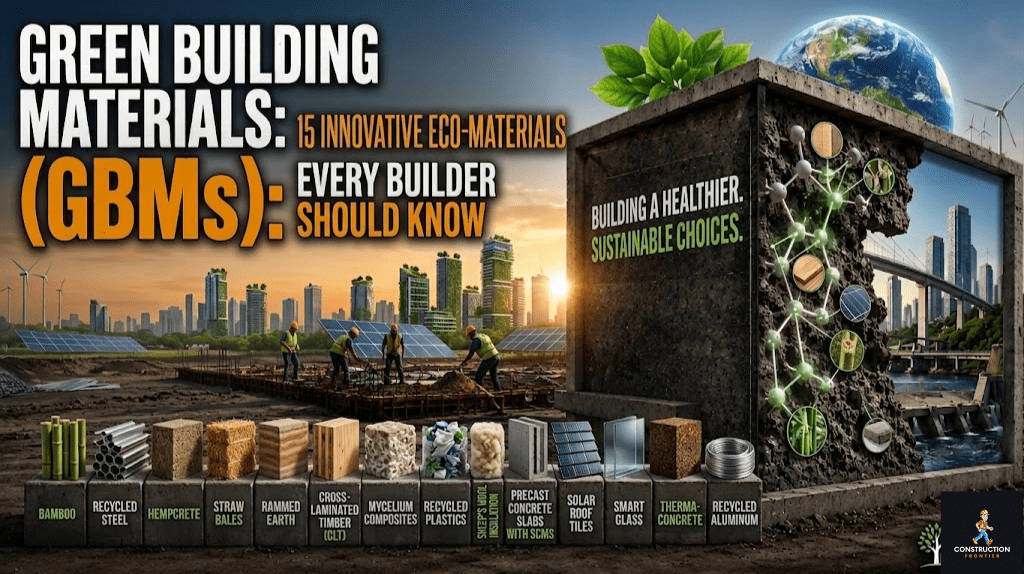
The Top 15 Green Building Materials Explained
Sustainable construction is not just about futuristic designs or renewable energy; it starts with the very materials we use. From natural resources like bamboo and straw bales to high-tech innovations such as solar roof tiles and low-E glass, these green building materials are redefining how we design, build, and live. Below, we explore each of the top 15 eco-friendly materials, detailing their applications, benefits, and notable uses in real-world projects.
1. Bamboo
Bamboo has become one of the best green construction materials due to its rapid growth and strength.
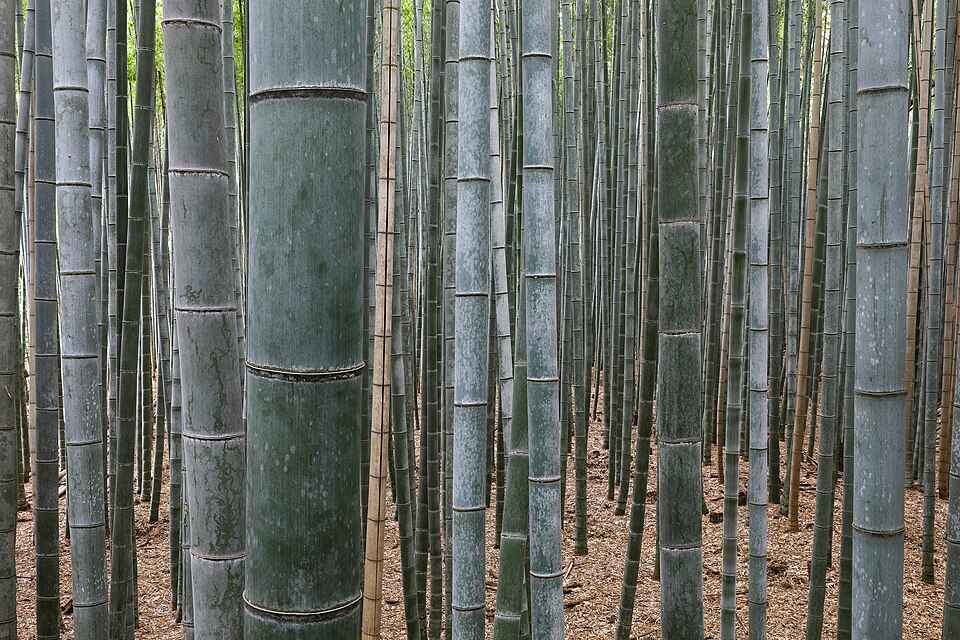
- Why It’s Green: Grows up to three feet per day and regenerates after harvest.
- Applications: Flooring, wall panels, structural supports, and scaffolding.
- Benefits: High tensile strength, lightweight, earthquake-resistant, and fully biodegradable.
- Notable Use: Extensively applied in sustainable housing and eco-resorts in Southeast Asia.
2. Recycled Steel
Steel is traditionally energy-intensive, but when recycled, it becomes a sustainable construction material.
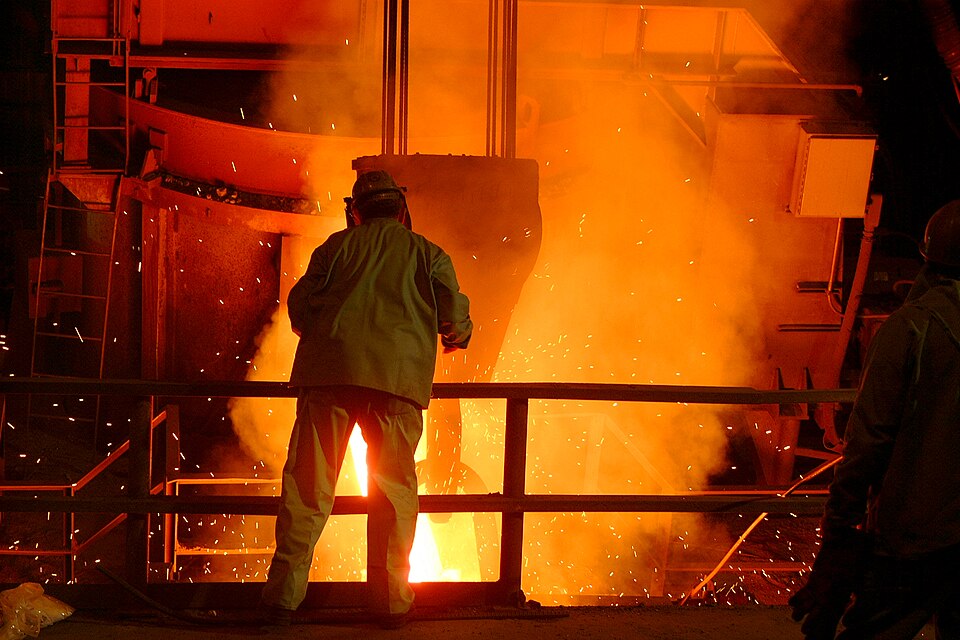
- Why It’s Green: Recycling saves 75% of the energy compared to producing new steel.
- Applications: High-rise buildings, bridges, roofing, and structural frames.
- Benefits:
- Reduces waste from demolished buildings.
- Exceptionally durable and fire-resistant.
- 100% recyclable without losing strength.
- Notable Use: The Empire State Building renovation used recycled steel to meet modern sustainability goals.
3. Rammed Earth
An ancient technique revived for modern sustainable building solutions.
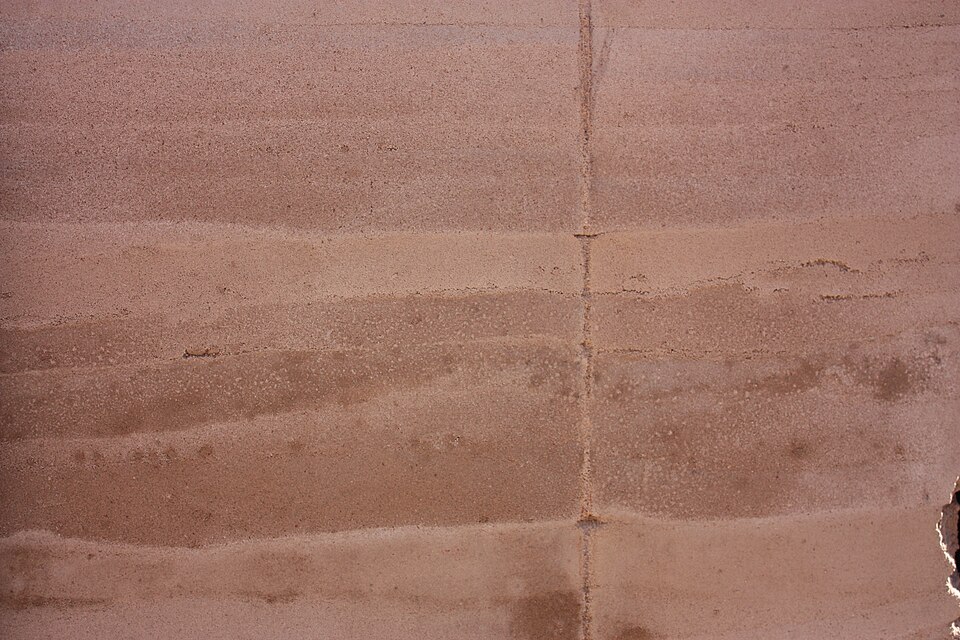
- Why It’s Green: Uses natural earth materials compacted with minimal cement.
- Applications: Walls, thermal mass foundations, and eco-homes.
- Benefits:
- Excellent insulation and thermal mass.
- Locally sourced, reducing transportation emissions.
- Lasts for centuries with low maintenance.
- Notable Use: Widely applied in the construction of rammed-earth eco-villages in Indonesia and Africa.
4. Hempcrete
Hempcrete is a lightweight, insulating material made from hemp fibres and lime.
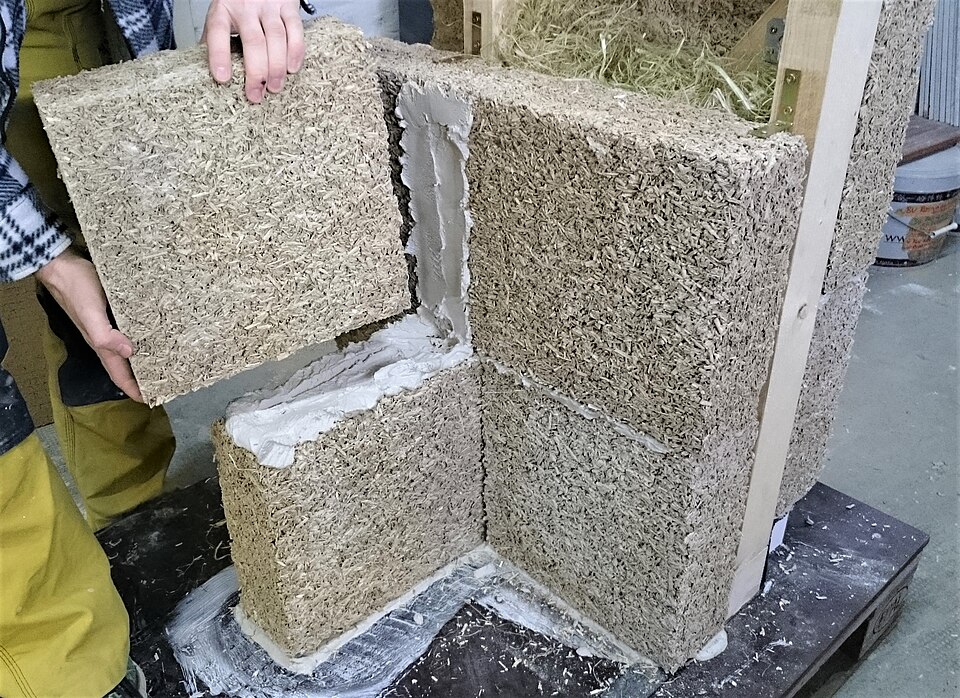
- Why It’s Green: Absorbs CO2 during curing, making it carbon-negative.
- Applications: Insulating walls, infill, and non-load-bearing structures.
- Benefits:
- Excellent thermal performance.
- Mould-resistant and breathable.
- Low embodied energy.
- Notable Use: Used in European green housing projects, particularly in France and the UK.
5. Straw Bales
Straw bales are an old idea that is gaining new traction as an eco-friendly building material
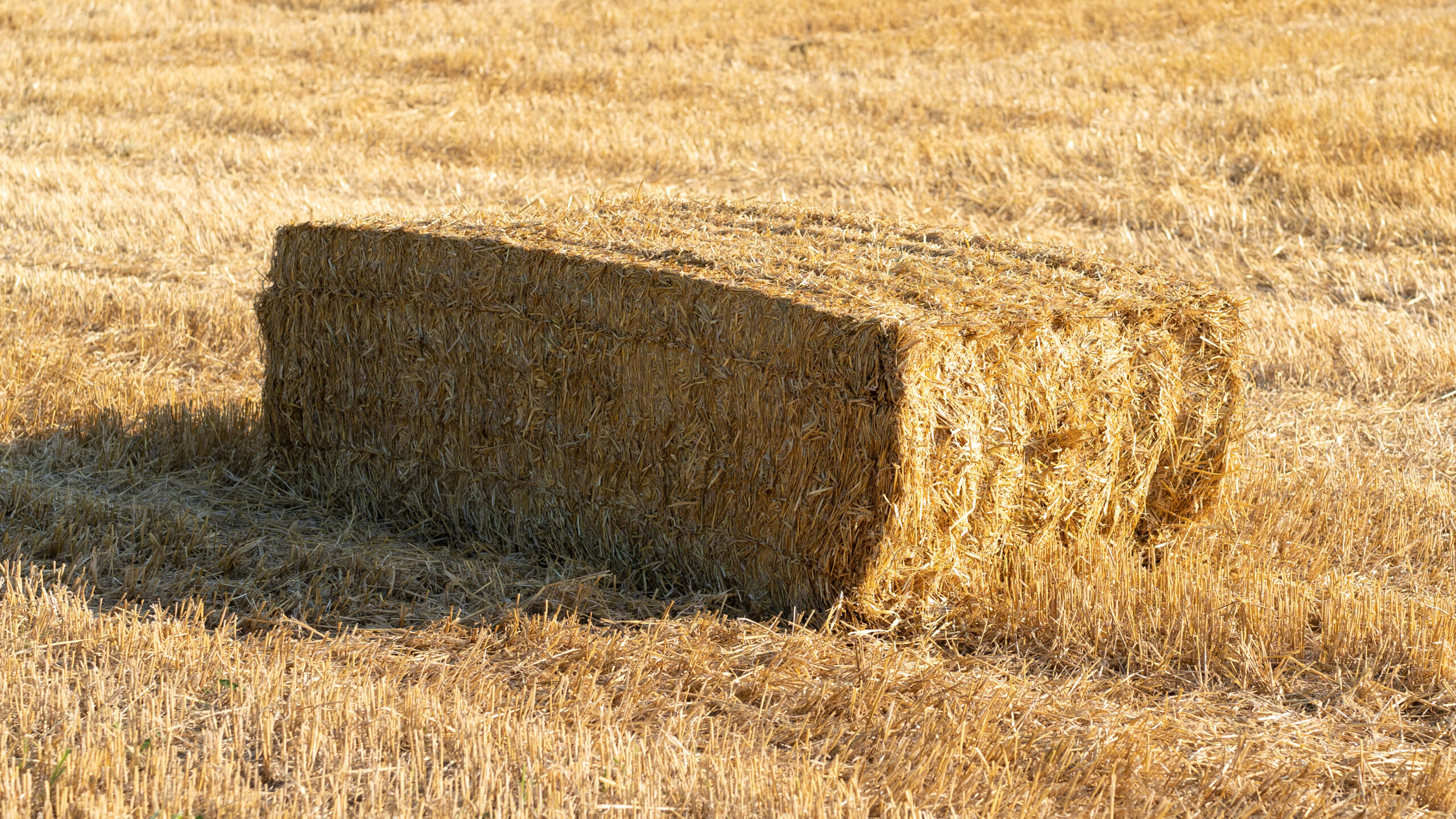
- Why It’s Green: Uses agricultural byproducts that would otherwise go to waste.
- Applications: Wall infill for homes, insulation, and eco-cabins.
- Benefits:
- High insulation (R-value).
- Low cost and renewable.
- Reduces dependence on timber.
- Notable Use: Thousands of straw bale homes exist in the U.S. Midwest and Australia.
6. Recycled Plastic
Plastic waste is being transformed into sustainable construction materials.
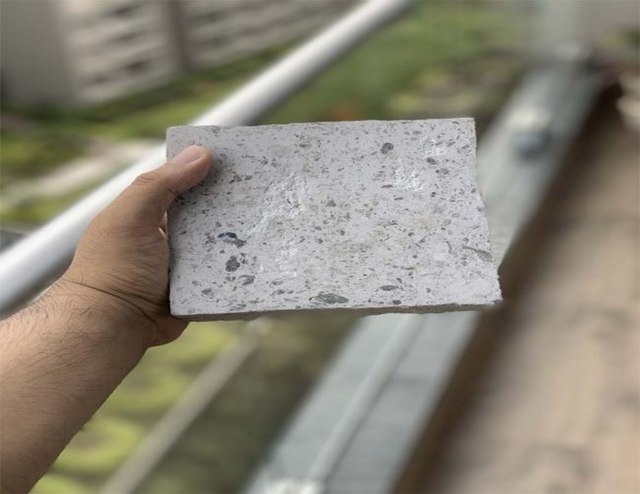
- Why It’s Green: Diverts plastic from landfills, forests, and oceans.
- Applications: Bricks, paving blocks, insulation panels, and modular housing.
- Benefits:
- Lightweight and durable.
- Water-resistant and termite-proof.
- Cuts down global plastic waste.
- Notable Use: Conceptos Plásticos in Colombia builds entire schools from recycled plastic bricks.
7. Cork
Cork is harvested from cork oak bark without cutting down trees.
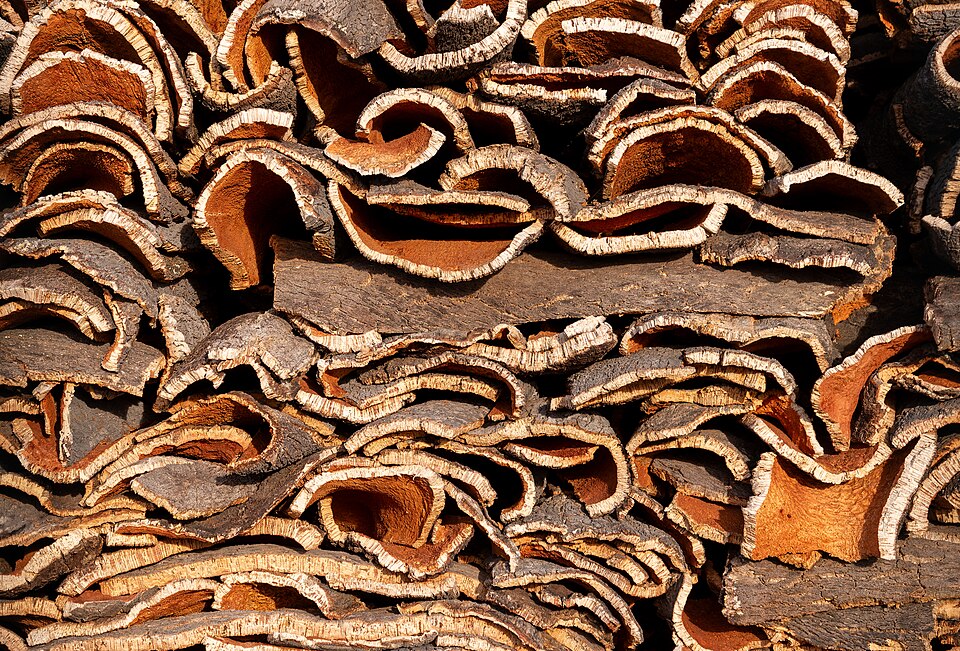
- Why It’s Green: The cork is harvested from a 25-year-old tree. It is renewable every 9–12 years without harming the tree, which can live up to 200 years.
- Applications: Flooring, wall coverings, insulation, and acoustic panels.
- Benefits:
- Natural fire resistance.
- Excellent thermal and sound insulation.
- Biodegradable at the end of life.
- Notable Use: Popular in eco-residential flooring across Europe.
8. Ferrock
Ferrock is a newer alternative to concrete made from recycled materials.
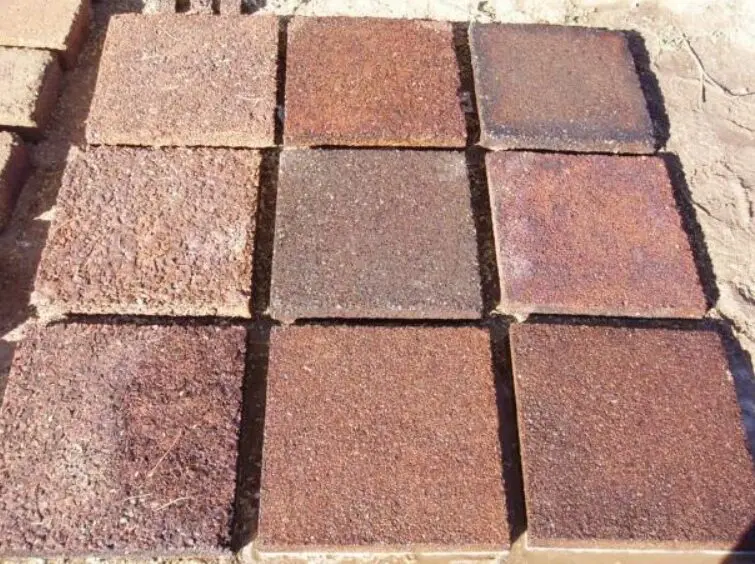
- Why It’s Green: Utilises steel dust waste, ground-up glass, and iron-rich ferrous rock. It absorbs CO2 during hardening.
- Applications: Flooring, pavements, and non-structural concrete.
- Benefits:
- Up to 5 times stronger than concrete made from ordinary portland cement.
- 13.5% higher compressive strength, 20% higher split tensile strength, and an 18% increase in flexural strength at 28 days, according to findings on ScienceDirect
- Carbon-negative production.
- Resistant to seawater, ideal for coastal projects.
- Notable Use: The University of Arizona’s pilot projects in Arizona showcase Ferrock’s potential for desert housing.
9. Low-E Glass
Low-emissivity (Low-E) glass enhances energy efficiency in buildings.
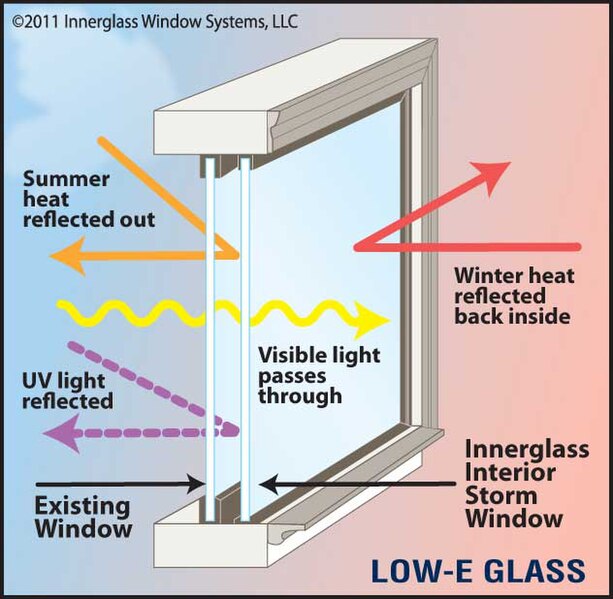
- Why It’s Green: A Low-E coating in the glass pane minimises heat transfer, reducing HVAC demand by retaining interior house temperatures.
- Applications: Windows, curtain walls, and skylights.
- Benefits:
- Cuts energy bills significantly.
- Improves indoor comfort.
- Long lifespan and minimal maintenance.
- Notable Use: Standard in high-rise skyscrapers like The Shard in London.
10. Reclaimed Wood
Salvaged timber reduces deforestation and embodies history.
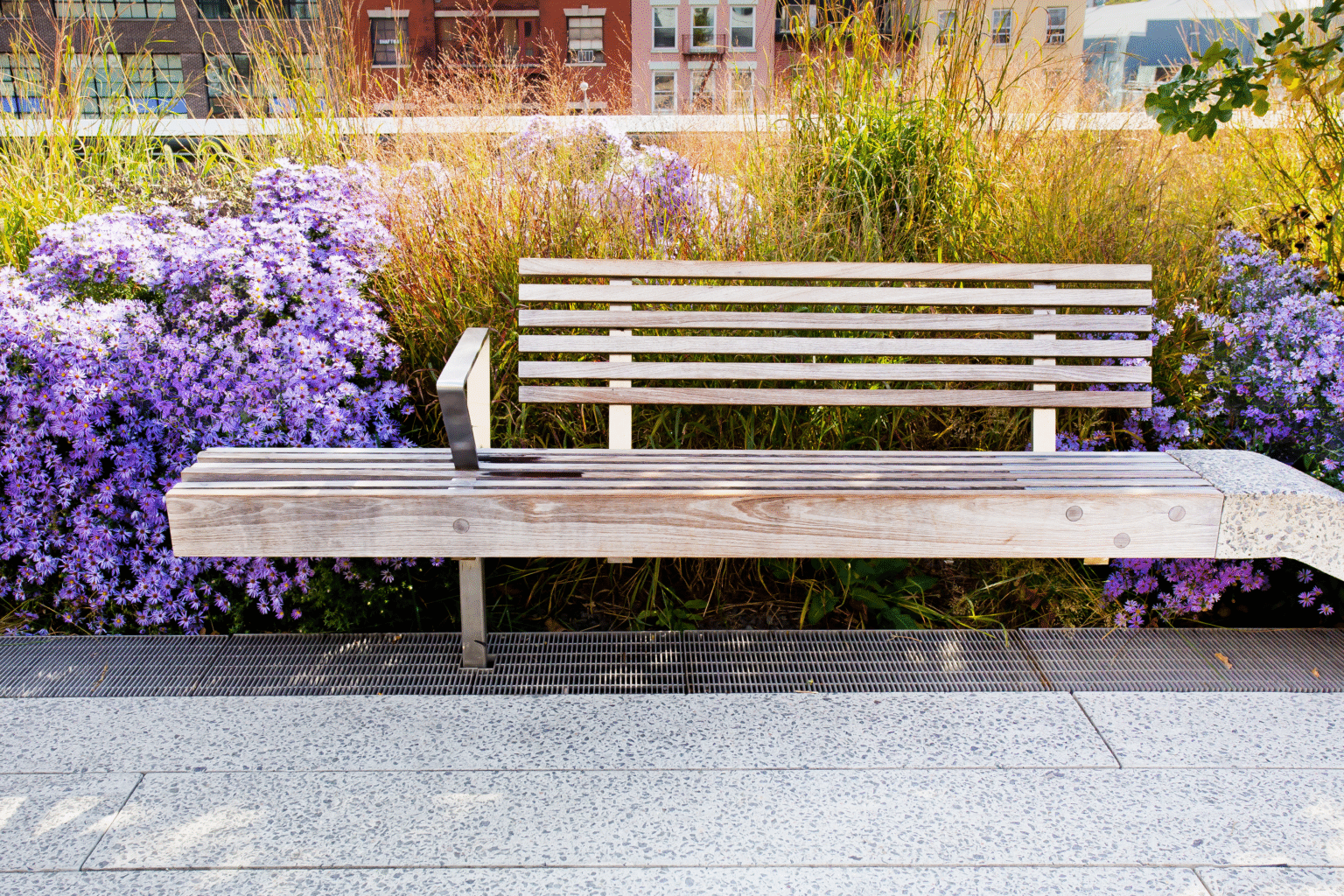
- Why It’s Green: Extends the life of wood already harvested.
- Applications: Flooring, beams, furniture, and wall finishes.
- Benefits:
- Reduces landfill waste.
- Reduces global deforestation rates.
- Unique aesthetic appeal.
- Durable when properly treated.
- Notable Use: Adaptive reuse projects, such as New York’s High Line Park, employ reclaimed wood.
11. Solar Roof Tiles
Beyond traditional panels, solar tiles integrate into roofs to promote eco-friendliness and boost energy savings.
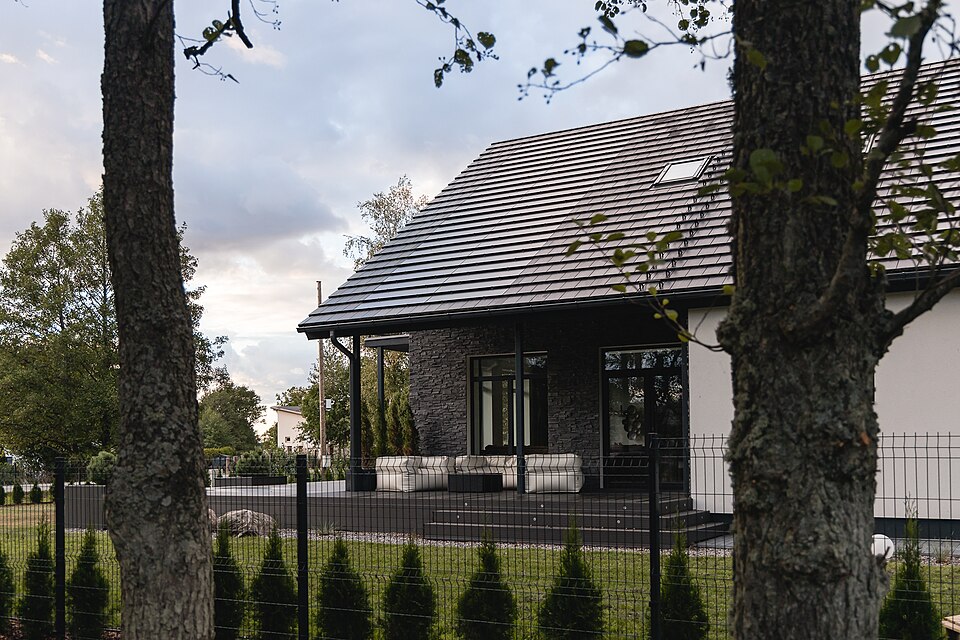
- Why It’s Green: Generates renewable energy while acting as roofing.
- Applications: Residential and commercial roofs.
- Benefits:
- Dual-purpose—protection plus power production.
- Improves building aesthetics.
- Long-term cost savings.
- Notable Use: Tesla’s solar-powered roof installations across the U.S.
12. Sheep’s Wool Insulation
The installation of sheep’s wool insulation as a natural fibre offers superior insulation.
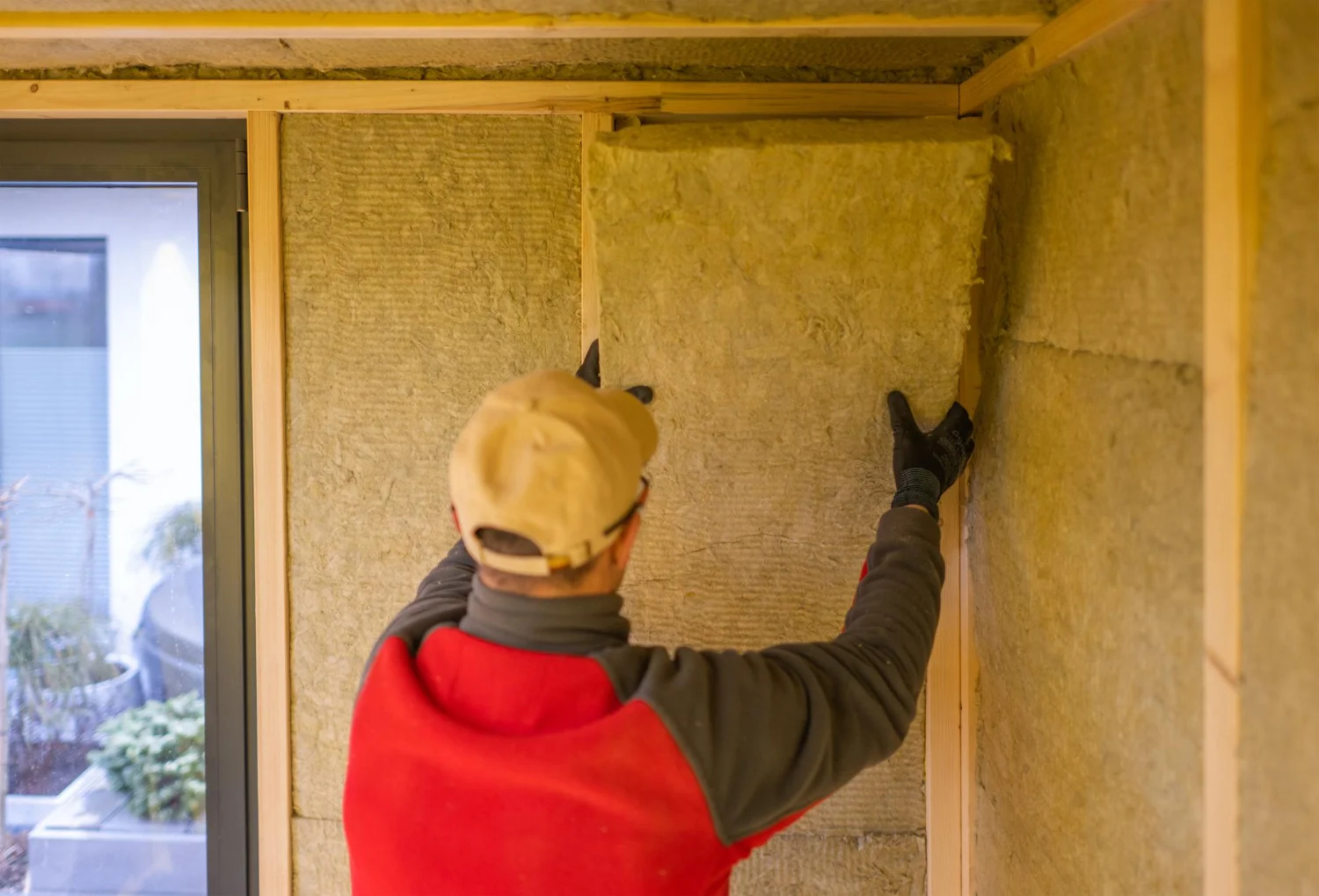
- Why It’s Green: 100% renewable, biodegradable, and non-toxic.
- Applications: Wall and roof insulation.
- Benefits:
- High moisture resistance.
- Excellent thermal and acoustic properties.
- Safe to handle compared to fibreglass.
- Notable Use: Widely used in eco-housing projects in the UK and New Zealand.
13. Mycelium
Mycelium is a cutting-edge, innovative green material grown from mushroom roots.
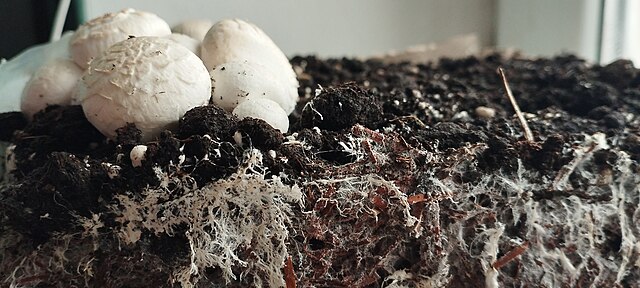
- Why It’s Green: Grown from agricultural waste, biodegradable, and lightweight.
- Applications: Packaging, bricks, insulation panels.
- Benefits:
- Fire-resistant.
- Low cost and scalable.
- Absorbs carbon during growth.
- Notable Use: Used in experimental construction by The Living (NY-based architecture firm).
14. Insulating Concrete Forms (ICF)
Insulated Concrete Forms (ICF) are a hybrid of concrete and insulation.
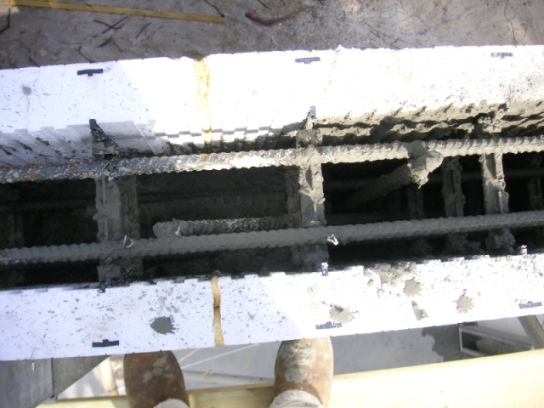
- Why It’s Green: Reduces heating/cooling needs by up to 70%.
- Applications: Wall construction for energy-efficient homes that require a lot of thermal insulation.
- Benefits:
- Long lifespan.
- Superior energy performance.
- Reduces construction waste.
- Notable Use: Used in Passive House-certified buildings across North America.
15. Clay Bricks
Clay bricks are one of the oldest eco-friendly materials with modern green upgrades.
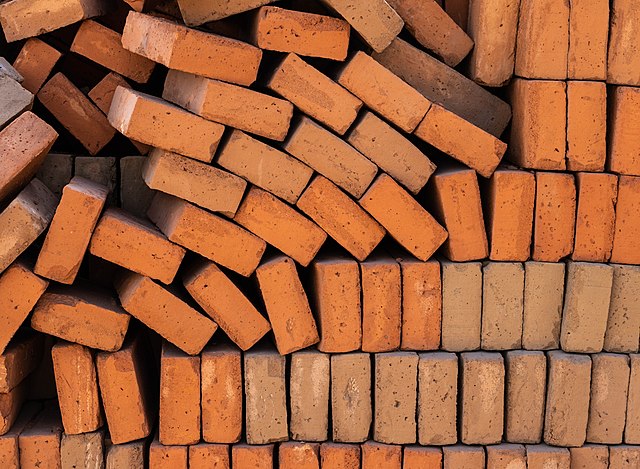
- Why It’s Green: Natural, durable, and recyclable.
- Applications: Walls, facades, and pavements.
- Benefits:
- Excellent thermal insulation.
- Fireproof and weather-resistant.
- Long life cycle.
- Notable Use: Still the backbone of sustainable housing in Europe.
Why Green Building Materials Matter
The push for green building materials is more than an architectural trend; it is a global necessity. Traditional construction methods heavily depend on resource-intensive materials such as concrete, steel, and plastics, which together account for almost 40% of global CO₂ emissions from building operations. Shifting to sustainable construction materials helps reduce this impact while introducing healthier, more efficient spaces for occupants.
The benefits of using green building materials in construction are extensive and go well beyond environmental advantages:
- Lower Carbon Footprint: By using eco-friendly materials such as bamboo, recycled steel, and hempcrete, builders can significantly reduce emissions across production and a building’s lifecycle.
- Improved Occupant Health and Comfort: Non-toxic finishes, natural ventilation systems, and daylight-optimised designs foster healthier indoor environments, reducing respiratory issues and stress.
- Reduced Long-Term Energy and Maintenance Costs: Many eco-friendly building materials, such as insulated concrete forms and structural insulated panels, enhance energy efficiency, resulting in long-term savings on heating, cooling, and maintenance.
- Resilience Against Climate Change: Green materials often incorporate durability against extreme weather, floods, and rising temperatures, ensuring buildings remain safe and functional in shifting climates.
- Market Value and Prestige: Projects certified under green standards such as LEED or BREEAM enjoy higher asset values and greater tenant demand, making them attractive to investors and developers.
In short, embracing eco-friendly construction technology is about future-proofing not just structures, but the people and businesses that depend on them.
The Future of Sustainable Construction
The global shift toward innovative and sustainable building technology solutions signals a construction industry on the verge of transformation. With governments tightening climate policies and urban populations demanding smarter, healthier spaces, the momentum behind sustainable practices has never been stronger. The list of eco-friendly building materials for a better future will continue to expand as new technologies emerge, reshaping how we design, build, and live.
Some of the most promising trends include:
- Circular Economy in Construction: Materials such as reclaimed wood and recycled concrete are being used in large-scale projects, reducing landfill waste and the need for resource extraction.
- Smart Building Technologies: Integration of IoT-enabled energy-monitoring systems and AI-driven material-tracking systems ensures efficiency and transparency throughout the construction lifecycle.
- Bio-Based Innovations: From mycelium-based composites to algae-derived insulation, biotechnology is creating cutting-edge, renewable alternatives to petroleum-based products.
- Net-Zero and Carbon-Negative Materials: Innovations like ferrock and carbon-infused concrete are turning buildings into active carbon sinks, reversing the industry’s environmental footprint.
- Policy and Certification Frameworks: Governments worldwide are increasing support for green construction methods through subsidies, tax credits, and stricter regulations, accelerating their adoption.
The future of sustainable construction is not limited to new materials alone—it also lies in changing mindsets. Builders, architects, engineers, and policymakers are reimagining construction as a regenerative practice, where every project contributes positively to society and the environment. As cities grow and demands on infrastructure rise, green building technology will ensure progress does not come at the planet’s expense.
Conclusion: Building Tomorrow with Innovation and Responsibility
The top 15 green building materials for sustainable construction prove that the future of the built environment lies in balancing innovation with environmental responsibility. These materials are not only alternatives but also game changers, reducing energy consumption, cutting carbon emissions, and improving overall building performance. From bamboo and hempcrete, which showcase nature’s resilience, to ferrock and mycelium, which represent high-tech innovation, the options available today demonstrate that sustainability can align with strength, affordability, and aesthetics.
Looking ahead, the construction industry has an opportunity and an obligation to lead the green revolution. By prioritising sustainable construction materials in both large-scale infrastructure and small residential projects, contractors, developers, and governments can help reshape skylines with resilience and responsibility. The future of sustainable construction will be marked by efficiency, adaptability, and long-term value, ensuring that today’s investments support tomorrow’s generations. In this sense, green building is not just a trend but a necessity, one that reflects the industry’s ability to innovate while preserving the planet we all share.
Build a Greener Future with Smarter Construction Materials
Explore Construction Frontier: Construction & Building Materials for expert insights, sustainable material innovations, and technical guidance on green building materials, low-carbon construction, and high-performance solutions shaping the future of the built environment.