20 Tallest Buildings in the World: Record-Breaking Skyscrapers Redefining Global Skylines
The tallest buildings in the world stand at the intersection of engineering innovation, economic ambition, and architectural identity. From Dubai’s Burj Khalifa and Shanghai Tower to New York’s One World Trade Center and Kuala Lumpur’s Merdeka 118, these record-breaking skyscrapers showcase the technologies, structural systems, and construction strategies redefining modern urban skylines. As cities compete for global influence, the world’s tallest towers continue to push the limits of height, sustainability, and smart vertical development.
Technical Snapshot: The Tallest Building in the World
| Category | Details |
|---|---|
| Article Focus | The 20 tallest buildings in the world |
| Core Theme | Supertall skyscrapers, engineering innovation, and global skyline development |
| Primary Regions Covered | Middle East, Asia, North America, Europe |
| Tallest Building | Burj Khalifa (828 m) |
| Second Tallest | Merdeka 118 (678.9 m) |
| Key Engineering Systems | Buttressed core structures, tuned mass dampers, double-skin façades, wind-resistant forms |
| Main Construction Trends | Sustainable skyscrapers, mixed-use vertical cities, smart building systems, modular construction |
| Major Functions | Residential, offices, hotels, retail, observation decks, mixed-use developments |
| Future Megaprojects Mentioned | Jeddah Tower, The Line |
| Key Industry Topics | Urban density, sustainability, vertical transport, skyline branding, smart cities |
| Target Audience | Architects, civil engineers, developers, contractors, investors, urban planners, skyscraper enthusiasts |
Modern supertall skyscrapers now function as far more than landmark towers. They integrate energy-efficient façades, advanced structural systems, smart building technologies, and mixed-use vertical communities that maximise limited urban land. As cities pursue sustainable growth and global competitiveness, the world’s tallest buildings continue to evolve into powerful drivers of tourism, investment, innovation, and next-generation urban development
Why Tall Buildings Matter in Today’s World
Skyscrapers have always been more than just tall structures; they are economic and cultural statements. As cities face rapid urbanisation, tall buildings provide solutions to land shortages, housing demands, and mixed-use urban spaces. At the same time, they reflect the architectural ambitions of nations competing on the global stage.
The tallest towers globally represent breakthroughs in modern architecture, innovative technology in modern construction, and structural engineering, pushing the boundaries of what is possible.
In this article, we rank the 20 tallest buildings in the world, detailing their heights, designs, functions, and the stories behind their construction.
The Global Race to the Sky
For centuries, civilisations have sought to touch the heavens with monumental structures, from Egypt’s pyramids to Gothic cathedrals. Today, the competition has shifted to skyscrapers, where countries invest billions to showcase economic power and architectural vision. Asia, the Middle East, North America, and beyond are home to the world’s tallest buildings.
Top 20 Tallest Skyscrapers in the Middle East: Iconic Towers Redefining Skylines
Each tower requires collaboration between world-class architects, visionary developers, daring contractors, and innovative engineers. Together, they deliver buildings that push the limits of modern architecture skyscrapers, integrating sustainability, high-speed vertical transport, and smart building technologies.
The 20 Tallest Buildings in the World
Below is the definitive list of the 20 tallest buildings in the world, with insights into design, construction, and the teams behind these record-breaking towers.
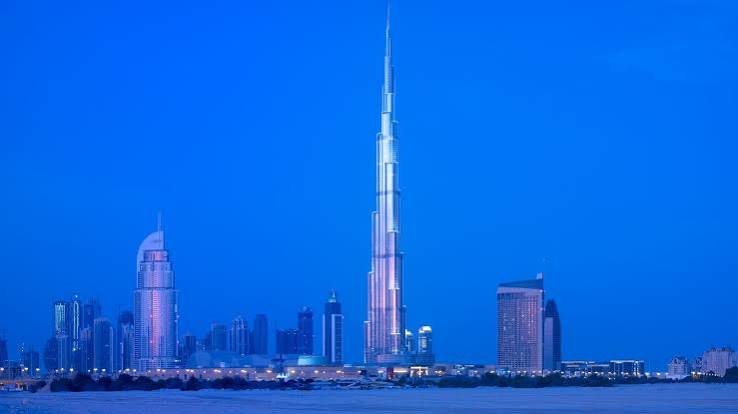
1. Burj Khalifa: Dubai, UAE (828 m)
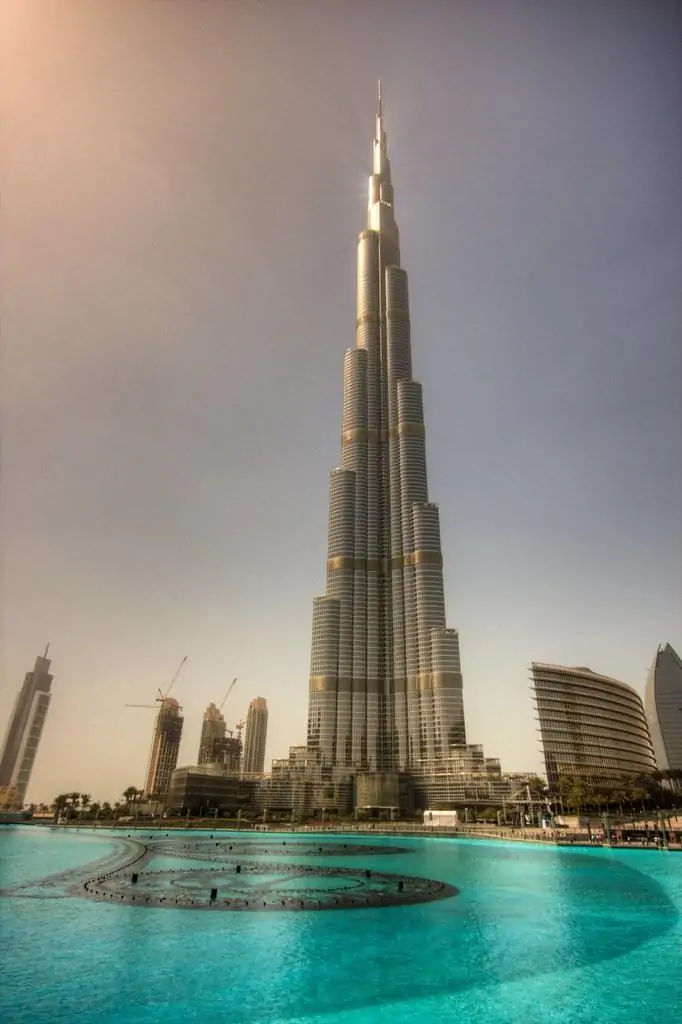
The Burj Khalifa remains the undisputed champion of height. Its buttressed core system resists wind and seismic activity, while its shimmering façade reflects Dubai’s ambition to become a global hub. With hotels, offices, residences, and observation decks, it redefined mixed-use skyscraper development.
- Architect: Skidmore, Owings & Merrill (Adrian Smith, lead designer)
- Structural Engineer: SOM (Bill Baker)
- Developer: Emaar Properties
- Contractor: Samsung C&T, Arabtec, Besix
- Completion: 2010
Key Features: It is the tallest building globally, with a Y-shaped floor design for stability and observation decks on the 124th, 125th, and 148th floors.
2. Merdeka 118: Kuala Lumpur, Malaysia (678.9 m)
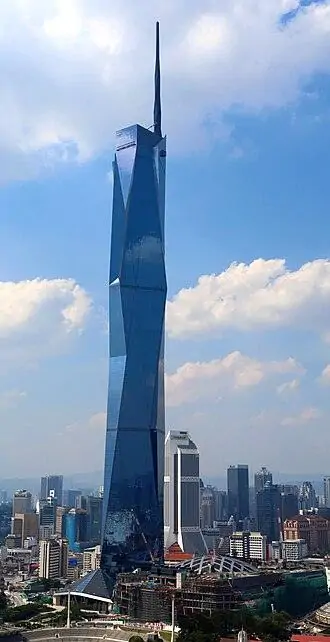
This crystalline tower celebrates Malaysian independence. It overlooks Stadium Merdeka, where the country declared sovereignty in 1957. The tower integrates offices, a luxury hotel, and cultural facilities, making it Southeast Asia’s tallest landmark.
- Architect: Fender Katsalidis, RSP Architects (executive)
- Structural Engineer: Leslie Robertson Associates, Robert Bird Group
- Developer: PNB Merdeka Ventures
- Contractor: Samsung C&T with local partners
- Completion: 2023
Key Features: World’s second tallest; inspired by Malaysia’s independence declaration; includes office, hotel, and retail spaces.
3. Shanghai Tower: Shanghai, China (632 m)
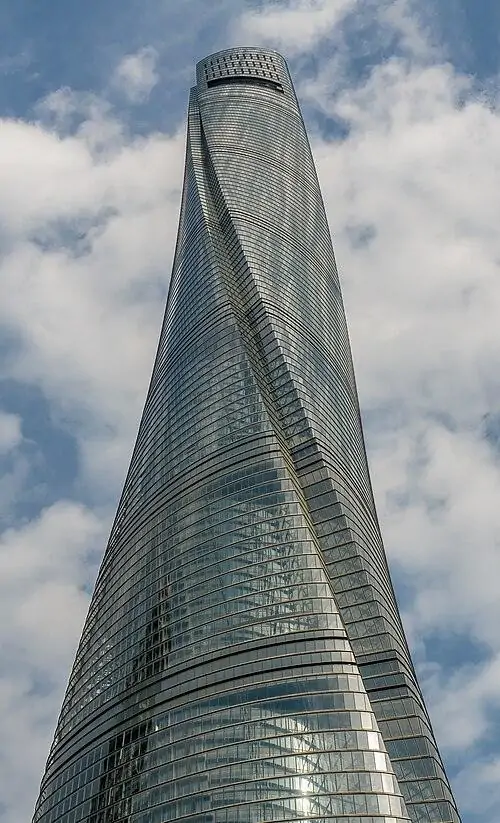
Shanghai Tower’s twisting façade reduces wind loads and improves efficiency. The double-skin façade saves energy, while vertical gardens create breathing spaces. Shanghai Tower epitomises sustainable supertall design.
- Architect: Gensler (Jun Xia, design director)
- Structural Engineer: Thornton Tomasetti, ECADI
- Developer: Shanghai Tower Construction & Development
- Completion: 2015.
Key Features: World’s tallest twisting tower; double-skin façade; LEED Platinum-certified sustainable skyscraper.
4. Abraj Al-Bait (Makkah Royal Clock Tower) — Mecca, Saudi Arabia (601 m)

Towering over the Grand Mosque, the Abraj Al-Bait complex serves millions of Hajj pilgrims annually. Its massive clock is the world’s largest, while its design blends modern engineering with Islamic tradition.
- Architect: SL Rasch, Dar Al-Handasah
- Developer/Contractor: Saudi Binladin Group
- Completion: 2012
Key Features: The world’s largest clock face; it includes luxury hotels and a prayer space for thousands of worshippers.
5. Ping An Finance Centre: Shenzhen, China (599 m)
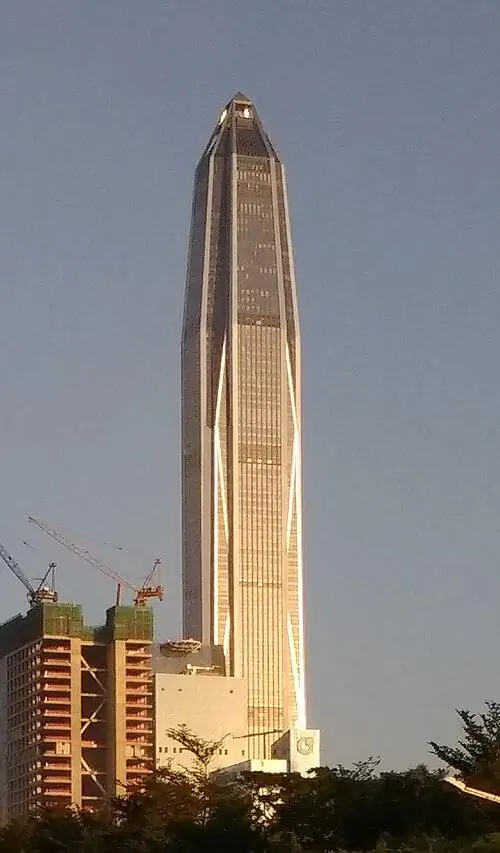
The sleek Pin An Finance Centre tower is home to finance and technology firms. Its megastructure of composite columns and tapered design represents Shenzhen’s meteoric rise as a global innovation hub.
- Architect: Kohn Pedersen Fox (KPF)
- Structural Engineer: Thornton Tomasetti
- Developer: Ping An Insurance Group
- Completion: 2017
Key Features: Houses financial headquarters; stainless steel façade designed for corrosion resistance.
6. Lotte World Tower: Seoul, South Korea (555 m)
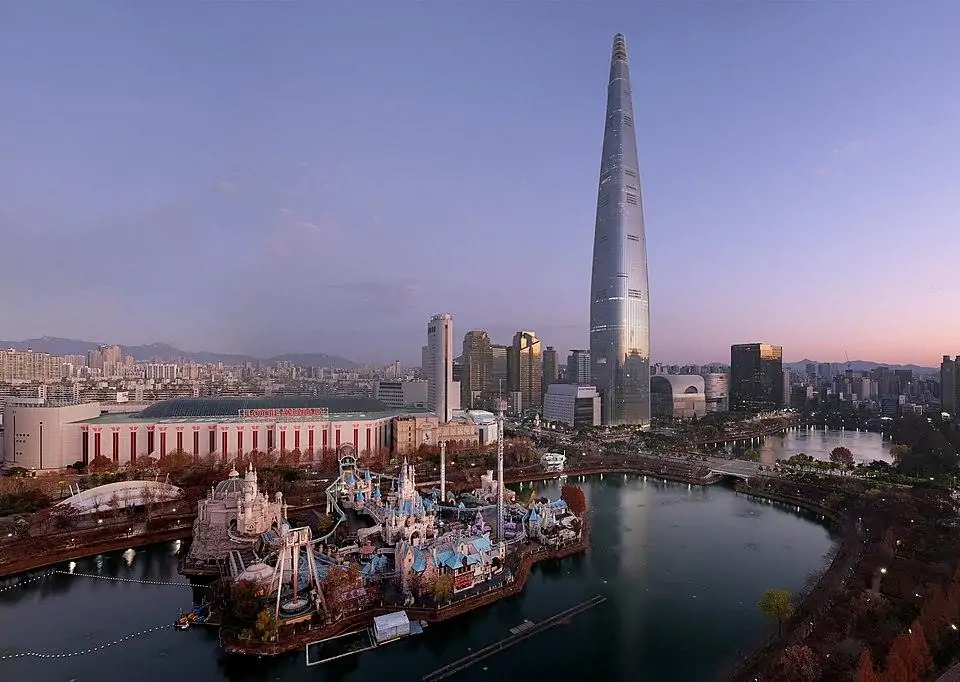
Inspired by Korean ceramics and calligraphy, Lotte World Tower skyscraper offers everything from retail and offices to a luxury hotel and the world’s highest glass-floored observation deck.
- Architect: KPF
- Structural Engineer: Leslie Robertson Associates
- Developer/Contractor: Lotte Engineering & Construction
- Completion: 2017
Key Features: Tallest skyscraper in South Korea; includes luxury hotels, retail, and the “Seoul Sky” observation deck.
7. One World Trade Center: New York, USA (541.3 m)
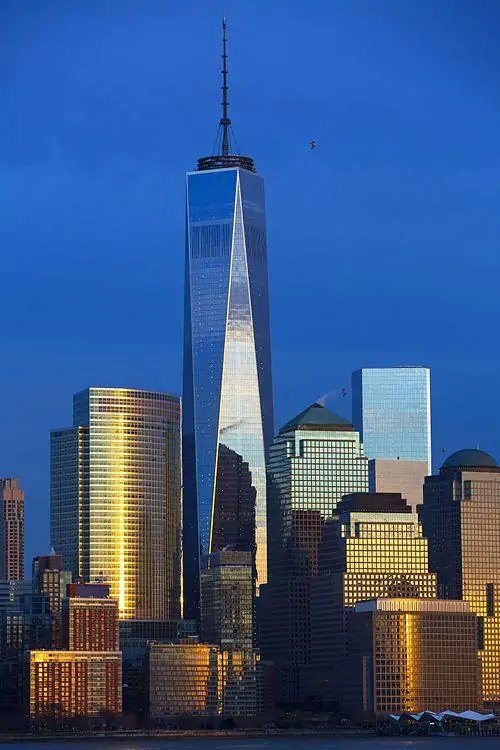
Symbolising resilience, One WTC incorporates blast-resistant concrete, renewable energy systems, and advanced safety. It anchors the rebuilt World Trade Centre site and is the tallest tower in the Western Hemisphere.
- Architect: SOM (David Childs)
- Developer: Silverstein Properties, Port Authority of NY/NJ
- Completion: 2014
Key Features: Symbolic height (1776 ft); designed for resilience and sustainability; observation deck on floors 100–102.
8. Guangzhou CTF Finance Centre: Guangzhou, China (530 m)
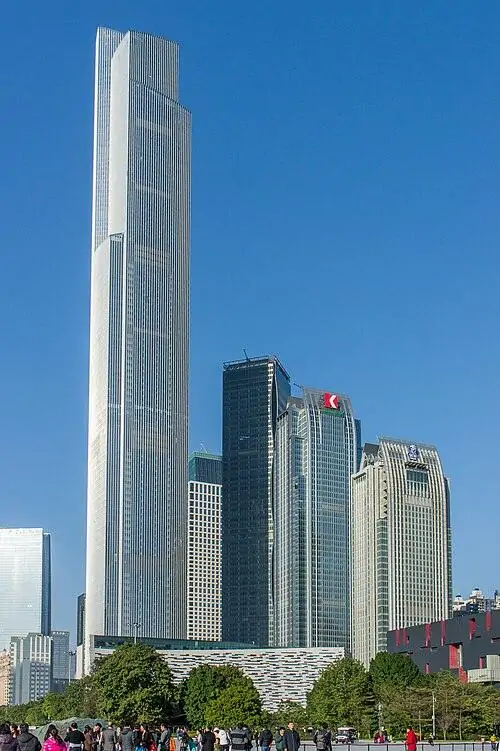
The Guangzhou CTF is a mixed-use skyscraper tower that integrates hotels, offices, residences, and retail. Its terracotta cladding reduces solar gain, blending energy efficiency with elegance.
- Architect: KPF
- Structural Engineer: Arup
- Developer: Chow Tai Fook Enterprises
- Completion: 2016
Key Features: Houses one of the fastest elevators (72 km/h); mixed-use skyscraper with hotels, offices, and residences.
9. Tianjin CTF Finance Centre: Tianjin, China (530 m)
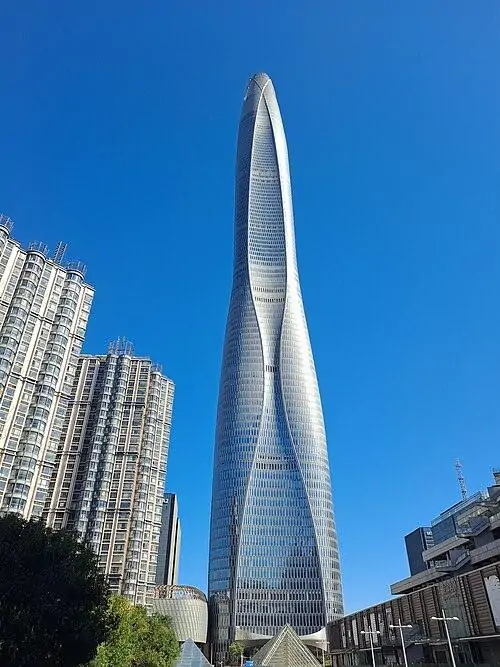
Tianjin CTF has a curving façade that reduces wind vortex shedding, while vertical slots maximise natural light. The twin to Guangzhou’s CTF reinforces China’s dominance of the skyline.
- Architect: SOM
- Structural Engineer: Thornton Tomasetti
- Developer: Chow Tai Fook Enterprises
- Completion: 2019
Key Features: Gently curved façade; incorporates advanced seismic safety measures.
10. CITIC Tower (China Zun): Beijing, China (528 m)
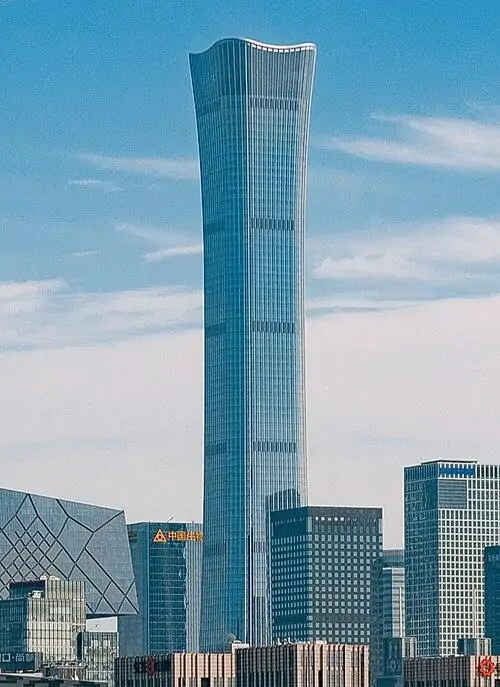
Shaped like an ancient ritual vessel (Zun), the CITIC tower symbolises prosperity. It is Beijing’s tallest skyscraper, balancing cultural symbolism with seismic resilience.
- Architect: KPF
- Structural Engineer: Arup
- Developer: CITIC Group
- Completion: 2018
Key Features: “Zun”-shaped tower inspired by ancient Chinese ritual vessels.
11. Taipei 101: Taipei, Taiwan (508 m)
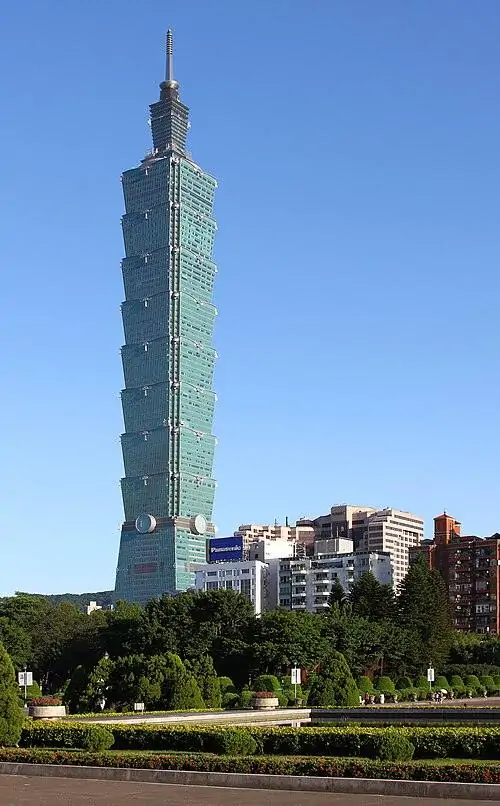
Once the world’s tallest, it remains iconic for its bamboo-inspired design. A tuned mass damper and a 660-tonne pendulum stabilise the tower against typhoons and earthquakes.
- Architect: C.Y. Lee & Partners
- Structural Engineer: Thornton Tomasetti
- Developer: Taipei Financial Center Corporation
- Completion: 2004
Key Features: Once the world’s tallest; tuned mass damper for earthquake resilience; LEED Platinum certification.
12. Shanghai World Financial Center: Shanghai, China (492 m)
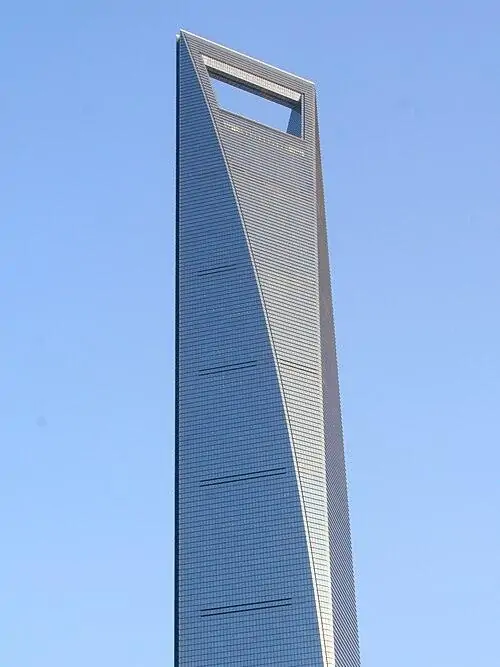
Known for its trapezoidal aperture, nicknamed the “bottle opener”, it combines offices, hotels, and observation decks, offering Shanghai’s most famous skyline views.
- Architect: KPF
- Structural Engineer: Leslie Robertson Associates
- Developer: Mori Building Company
- Completion: 2008
Key Features: Distinct trapezoid aperture, known as “the bottle opener”.
13. International Commerce Centre (ICC): Hong Kong, China (484 m)
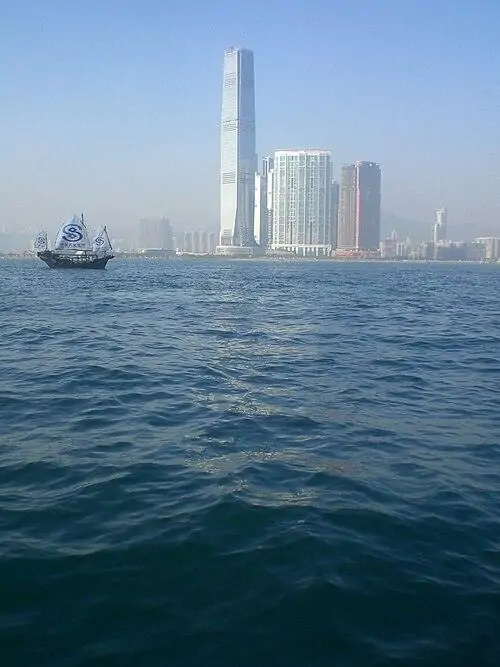
Housing offices, a Ritz-Carlton hotel, and an observatory, ICC defines Hong Kong’s skyline and hosts the world’s highest swimming pool.
- Architect: KPF
- Structural Engineer: Arup
- Developer: Sun Hung Kai Properties
- Completion: 2010
Key Features: Tallest in Hong Kong; home to the Ritz-Carlton hotel and luxury office space.
14. Central Park Tower: New York, USA (472 m)
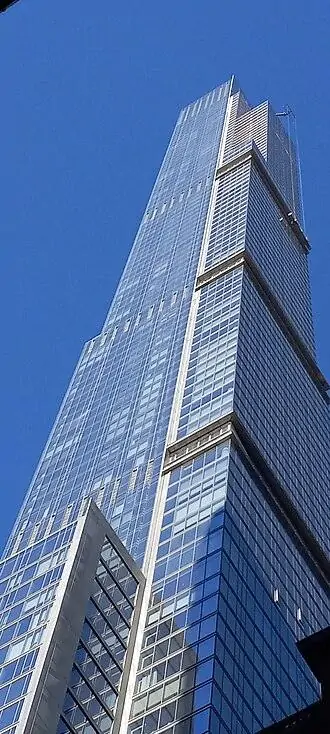
The Central Park Tower is the tallest residential tower in the world. It overlooks Central Park and features ultra-luxury apartments. Its slenderness required advanced engineering.
- Architect: Adrian Smith + Gordon Gill Architecture
- Structural Engineer: WSP
- Developer: Extell Development Company
- Completion: 2020
Key Features: Tallest residential building in the world.
15. Lakhta Center: St. Petersburg, Russia (462 m)
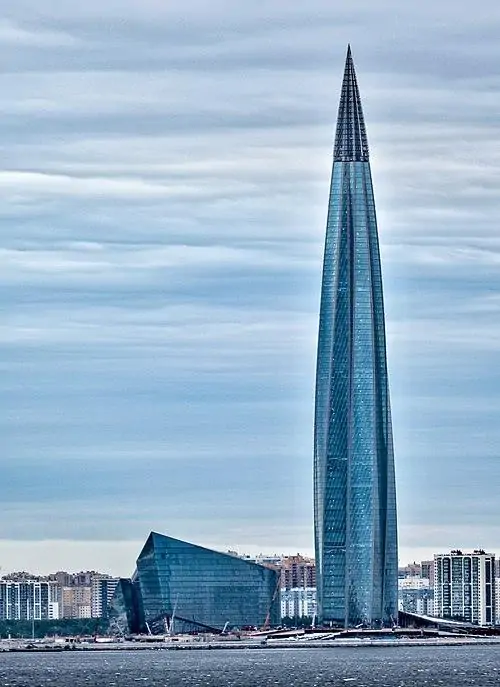
Lakhta Centre is the tallest building in Europe; its twisting form resists wind forces. It houses offices, a planetarium, and public spaces, marking Russia’s global architectural ambitions
- Architect: RMJM (concept), Gorproject (executive)
- Structural Engineer: Gorproject, Samsung C&T
- Developer: Gazprom
- Completion: 2019
Key Features: Tallest building in Europe; headquarters of Gazprom.
16. Landmark 81: Ho Chi Minh City, Vietnam (461.2 m)
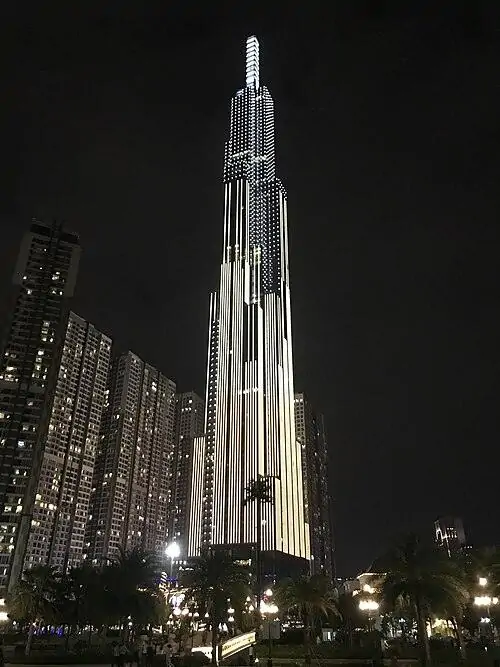
The Landmark 81 is Vietnam’s tallest building, featuring luxury apartments, retail, a hotel, and a skydeck. Its vertical design reflects bamboo clusters, symbolising strength and unity.
- Architect: Atkins
- Structural Engineer: Arup
- Developer: Vinhomes (Vingroup)
- Completion: 2018
Key Features: Tallest in Vietnam; luxury retail, apartments, and hotels.
17. Changsha IFS Tower T1: Changsha, China (452 m)
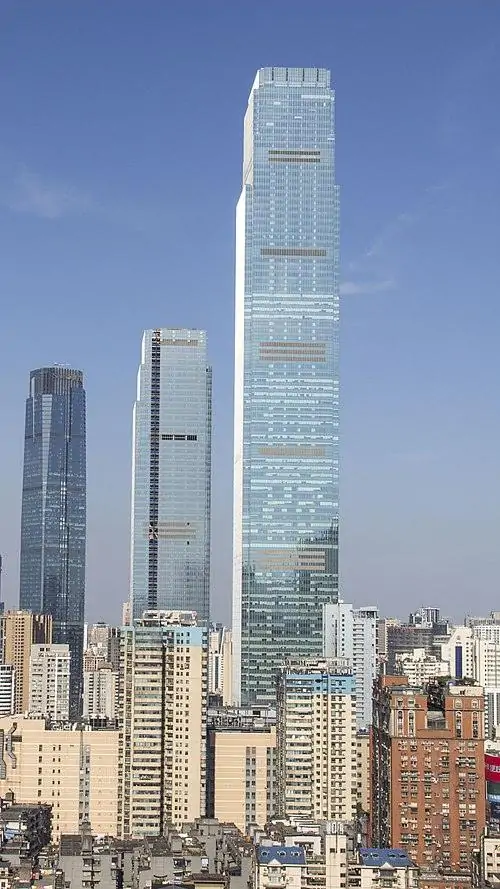
The Changsha IFS Tower T1 is a mixed-use supertall integrating shopping, offices, and hotels. It highlights the rapid urbanisation of China’s second-tier cities.
- Architect: Wong Tung & Partners
- Structural Engineer: Arup
- Developer: Wharf Holdings
- Completion: 2017
Key Features: Mixed-use; inspired by New York’s towers.
18. Petronas Towers: Kuala Lumpur, Malaysia (452 m)
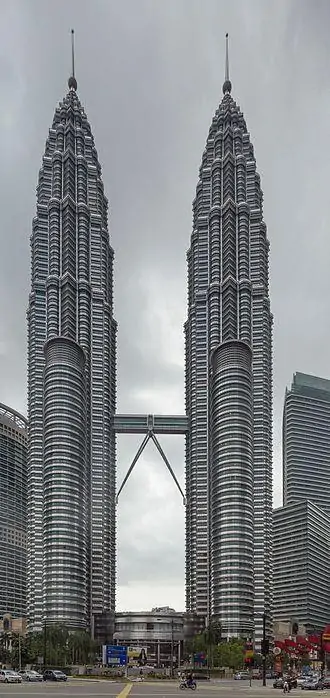
The twin towers of Kuala Lumpur remain Malaysia’s most iconic landmark. Their skybridge symbolises national unity while also providing structural stability.
- Architect: César Pelli, Pelli Clarke Pelli Architects
- Structural Engineer: Thornton Tomasetti
- Developer: Petronas
- Contractor: Samsung C&T, Hazama Corporation
- Completion: 1998
Key Features: Iconic twin towers; skybridge at 41st and 42nd floors.
19. Zifeng Tower: Nanjing, China (450 m)
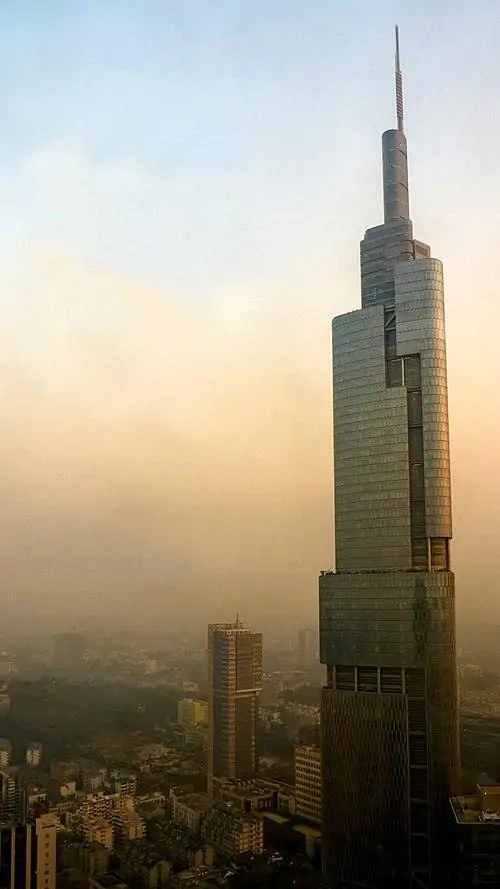
Zifeng Tower’s vertical segmentation integrates offices, retail, and a hotel. The spire illuminates Nanjing’s skyline, blending modernity with cultural identity.
- Architect: SOM (Adrian Smith)
- Structural Engineer: Thornton Tomasetti
- Developer: Greenland Group
- Completion: 2010
Key Features: Mixed-use complex with hotels, offices, and retail.
20. Suzhou IFS: Suzhou, China (450 m)
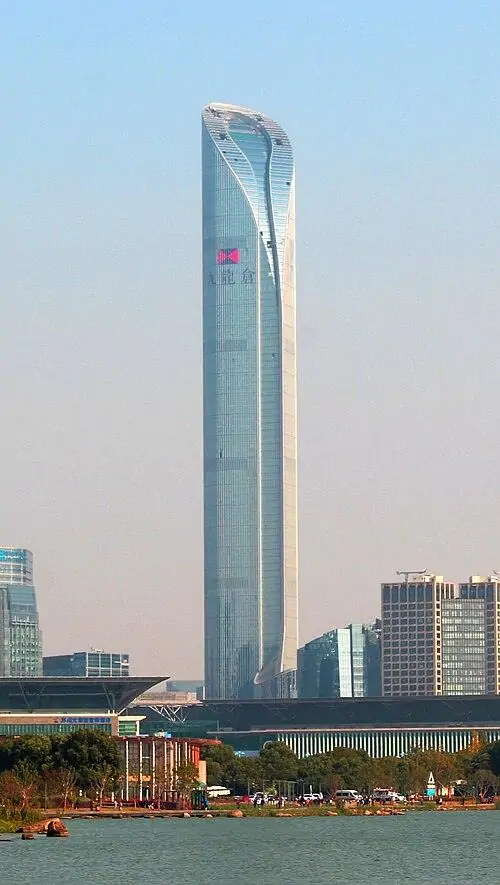
Located in Suzhou Industrial Park, this skyscraper embodies China’s regional development push. Its sleek façade symbolises economic progress and global ambition.
- Architect: KPF
- Structural Engineer: Arup
- Developer: Wharf Holdings
- Completion: 2019
Key Features: Tallest office tower in Malaysia.
Why These Towers Matter
The world’s tallest skyscrapers are more than just height competitions; they redefine how cities function and how economies evolve. Their significance can be broken down into key areas:
- Urban Functionality
- Skyscrapers maximise land use in dense cities, stacking offices, hotels, and residences vertically.
- They address land scarcity by creating immense usable space with a limited footprint.
- Economic and Cultural Impact
- Towers attract multinational corporations, luxury hospitality brands, and global tourists.
- Landmarks like the Burj Khalifa or One World Trade Centre transform entire city identities and boost international branding.
- Innovation Drivers
- Supertalls act as laboratories for structural systems, façades, elevators, and climate control.
- Features like tuned mass dampers and buttressed cores developed for record-breaking towers now influence mainstream construction.
- Value Chain Expansion
- Building these towers requires specialised contractors, materials suppliers, and precision manufacturing.
- Host nations often see the rise of engineering consultancies, precast plants, and façade fabrication hubs.
- Sustainability Benchmarks
- Modern skyscrapers integrate passive shading, rainwater harvesting, double-skin façades, and energy recovery systems.
- They prove that green building technology can coexist with extreme height and iconic design.
- Social and Planning Considerations
- Iconic towers can trigger gentrification or strain infrastructure if poorly planned.
- Coordinated planning ensures they contribute to mixed-income communities and sustainable city growth.
The Future of Skyscrapers: Tallest Buildings in the World
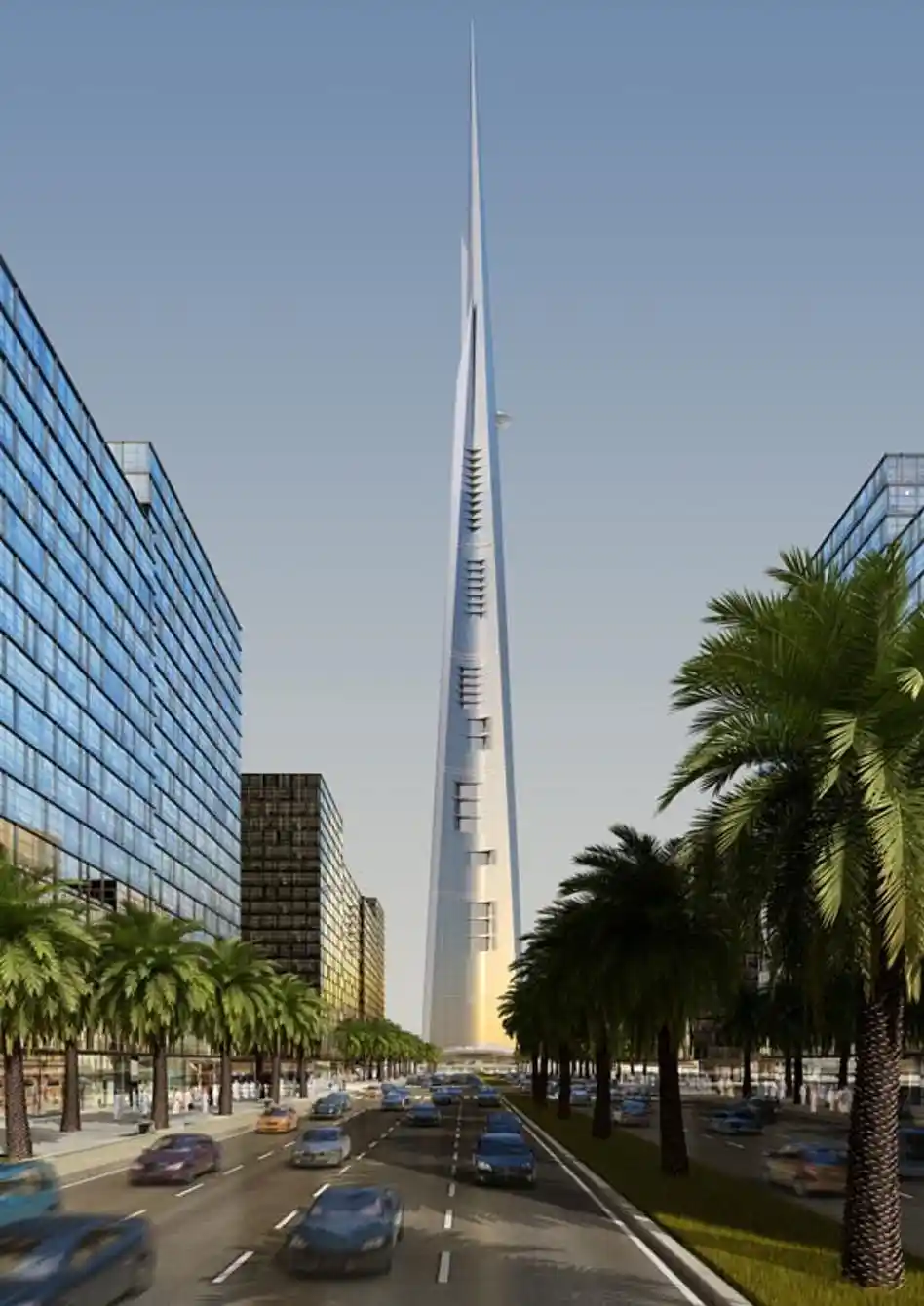
Tomorrow’s tallest buildings in the world will be measured less by their height and more by their intelligence, resilience, and sustainability. The following trends define what’s coming next:
- Sustainability at Scale
- Skyscrapers will generate power with solar façades, adaptive skins, and rooftop photovoltaics.
- Expect water recycling systems and localised energy storage to push many toward net-zero carbon.
- Material Innovation
- Use of hybrid systems will reduce embodied carbon and mass timber (CLT), like the proposed timber apartment, the Burj Zanzibar.
- Advances in low-carbon cement and recycled façades will make construction more circular.
- Construction Evolution
- Off-site prefabrication, robotics, and modular systems will shorten build times.
- 3D printing and digital twins will reduce waste while improving precision and performance monitoring.
- Urban Integration
- Skyscrapers will link directly to transit hubs, district energy grids, and freight logistics systems.
- Vertical “mini-cities” with housing, schools, healthcare, and offices will promote 24/7 activation.
- Finance and Regulation
- Green bonds, carbon pricing, and sustainability-linked finance will encourage adoption.
- Global safety and performance standards will help developers scale innovations across regions.
- Resilience as a Core Feature
- Coastal and seismic zones will require floodproof podiums, wind-tuned façades, and elevated utilities.
- Towers will be engineered for redundancy and rapid recovery after disasters.
Conclusion: Skyscrapers as Global Icons of Innovation
The tallest buildings in the world are far more than steel, glass, and concrete rising into the clouds — they are symbols of ambition, progress, and resilience. Each tower reflects the identity of its city while pushing the limits of engineering, design, and construction technology. From Burj Khalifa in Dubai, redefining the desert skyline, to Shanghai Tower showcasing vertical sustainability, these structures tell the story of how nations compete for recognition while also collaborating on global knowledge in architecture and infrastructure.
Looking ahead, the world’s tallest skyscrapers will evolve beyond being just the tallest towers globally. They are set to become self-sustaining vertical ecosystems that address climate change, urban density, and energy efficiency. With innovations in green building technology, modular construction, and smart urban integration, future towers will not only dominate skylines but also drive cities toward sustainability and resilience. The world’s next generation of record-breaking towers will not just touch the clouds; they will anchor a more connected, efficient, and sustainable urban future.
Stay Updated on Global Skyscraper Innovation
Explore Construction Frontier: Global Megaprojects for expert insights into the world’s tallest buildings, skyscraper engineering, urban megaprojects, and sustainable construction innovations redefining global skylines across the Middle East, Asia, Africa, and emerging world cities.