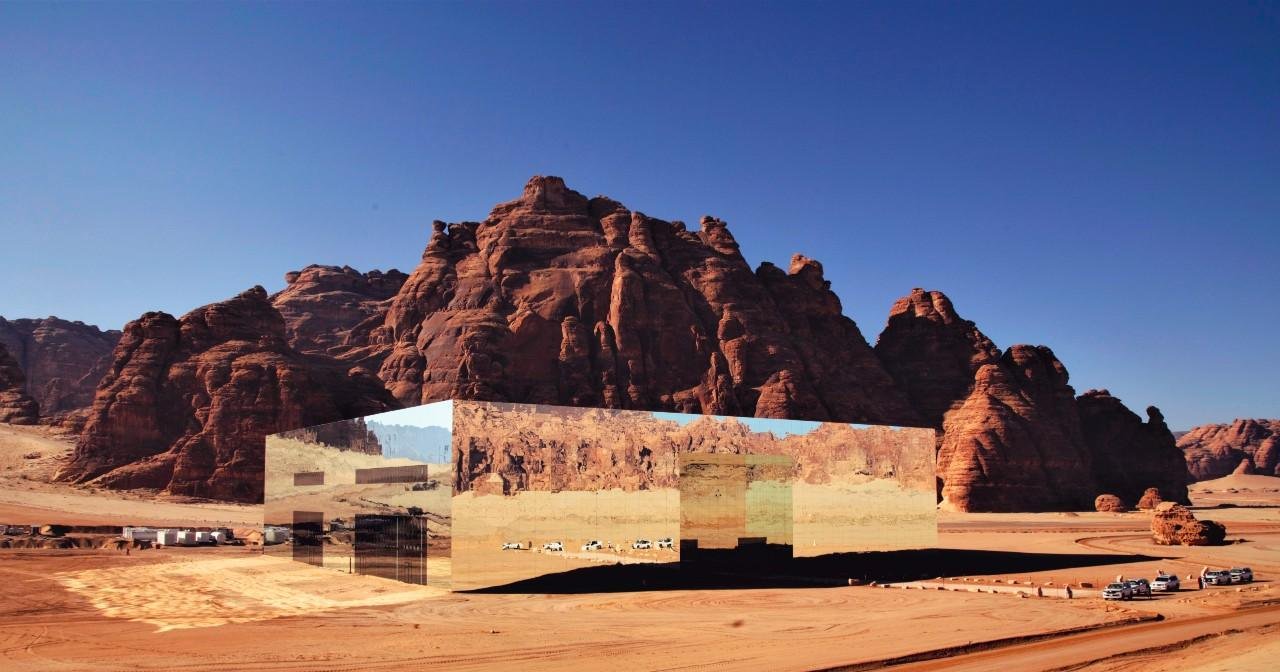
Maraya Concert Hall: Magnificent Mirror-Clad Engineering Marvel in Saudi Arabia
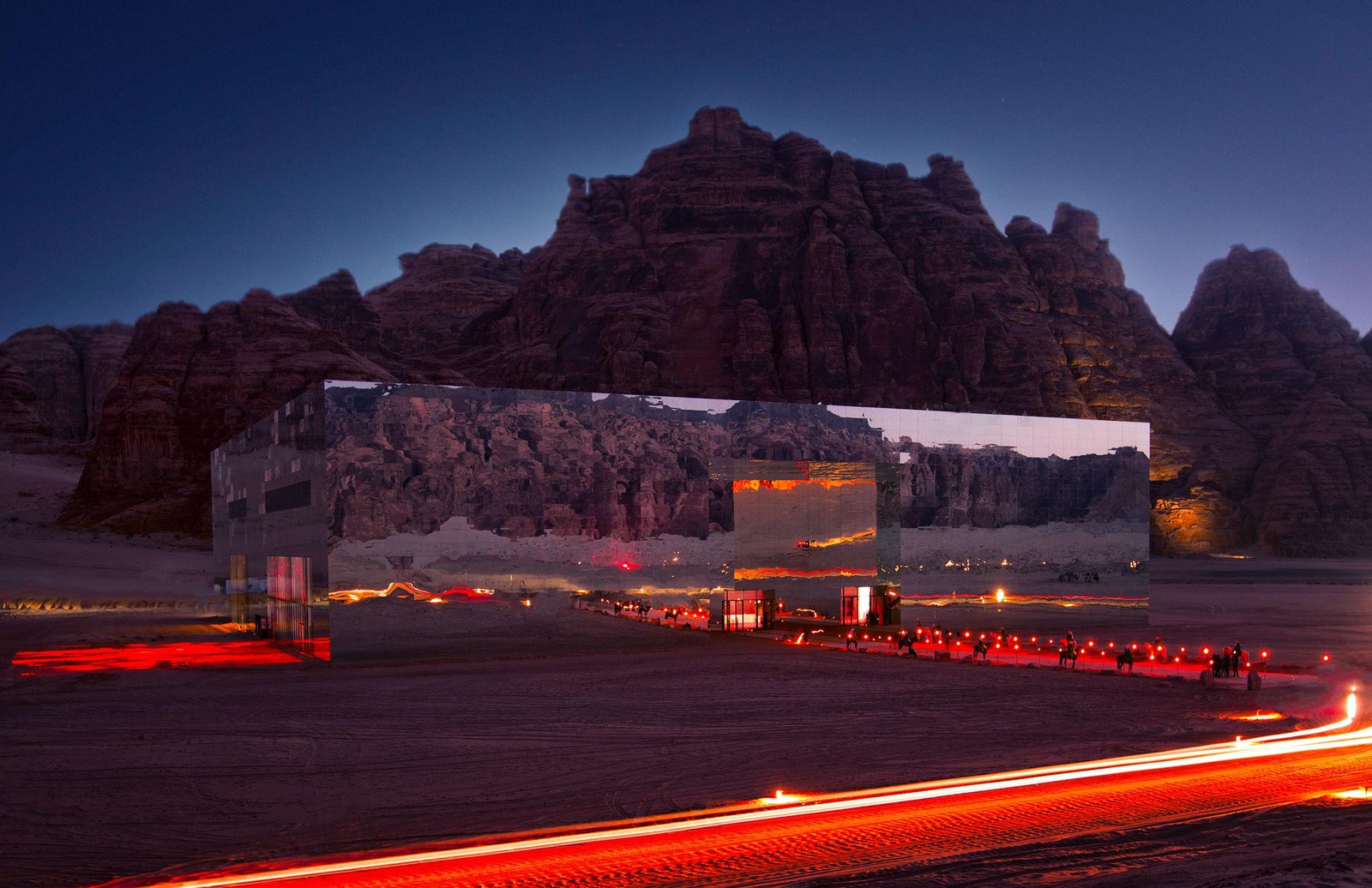
Maraya Concert Hall stands in the Ashar Valley of AlUla, northwest Saudi Arabia, as the world’s largest mirror-clad building, certified by Guinness World Records. The 500-seat venue covers 22,000 square metres, with 9,740 square metres of custom copper-coated mirror glass cladding a three-storey steel cuboid frame measuring 100 x 100 x 26 metres. Completed in 76 construction days in 2019, it anchors Saudi Arabia’s Vision 2030 ambition to transform AlUla into a global cultural destination.
Technical Snapshot: Maraya Concert Hall Core Project Specifications
| Specification | Value |
| Location | Ashar Valley, AlUla, Northwest Saudi Arabia |
| Total Floor Area | 22,000 sq m (ground floor: 10,000 sq m) |
| Structural Frame | 100 x 100 x 26 m steel cuboid |
| Mirror Cladding Area | 9,740 sq m (105,000 sq ft) |
| Mirror Panels | 3,000 pre-tempered copper-coated panels |
| Seating Capacity | 500 |
| Stage Dimensions | 40 m x 15 m |
| Retractable Stage Wall | 800+ sq m |
| Construction Duration | 76 days (concept to delivery: 6 months) |
| Construction Costs | Approx. SAR 450 million (USD 120 million) |
| Completion | December 2019 |
| Architect | Giò Forma Studio (Florian Boje, Cristiana Picco, Claudio Santucci) |
| Project Engineering | Black Engineering (Massimo Fogliati, Fabio Pavanetto) |
| Main Contractor | MMG KSA |
| Glass Supplier | Guardian Glass (Guardian UltraMirror™ with copper coating) |
| Client | Royal Commission for AlUla (RCU) |
| Record | Guinness World Record: Largest mirror-clad building |
| Award | 2020 AIA Middle East Design Award (Merit) |
Maraya Concert Hall is a defining case study in site-responsive construction: a mirror-clad building in Saudi Arabia that optically dissolves into its sandstone canyon, resolving from mirage to precise reflection only as visitors approach. For engineers, investors, and design professionals tracking iconic buildings in Saudi Arabia, it proves that extreme schedule compression and material innovation are not mutually exclusive when the project team is correctly structured from day one.
Introduction: Desert Architecture as Cultural Infrastructure
AlUla is not a blank canvas. The valley that now hosts Maraya Concert Hall sits within a 22,000-square-kilometre archaeological landscape shaped by Nabataean, Dadanite, and Lihyanite civilisations across more than 200,000 years of continuous human habitation. Saudi Arabia’s first UNESCO World Heritage Site, the Nabataean city of Hegra, lies 22 kilometres from the site. Any structure built here answers to that context, whether its designers acknowledge it or not.
The Royal Commission for AlUla, established in 2017 to lead the region’s long-term transformation, commissioned the Milan-based Giò Forma Studio to deliver the first project under the Journey Through Time Masterplan 1, a framework for converting AlUla into what the RCU terms a living museum. The brief was precise: a world-class venue for concerts and events in an area of immense archaeological and scenic value, without displacing or diminishing what was already there. Maraya Concert Hall was the response, and it had to be operational within six months to anchor the inaugural Winter at Tantora festival.
Florian Boje of Giò Forma stated the design position directly: if a building cannot compete with its setting, it should enhance it. That single judgement determined the structural system, the cladding material, and the geometry and makes the engineering behind and the architectural design of Maraya Concert Hall in AlUla the same document read twice. How Maraya Concert Hall was built in the desert, as the first mirror-clad building in Saudi Arabia to operate reflective cladding outdoors at building scale, is one of the most consequential case studies in contemporary AlUla construction projects and desert architecture projects globally, making it one of the most iconic structures in the world.
The Engineering Behind Maraya Concert Hall
The engineering behind Maraya Concert Hall was shaped by two non-negotiable constraints: the archaeological sensitivity of the AlUla site and a 72-day construction window that eliminated any component requiring on-site fabrication. Every material choice, every assembly sequence, and every subsystem specification had to be resolved within those limits before construction began. The three core challenges, structural frame selection, mirror cladding performance, and stage automation, each required solutions that did not exist off the shelf.
Steel Frame: Speed, Precision, and Minimal Ground Intrusion
Steel offered the lowest foundation load profile for a building of this volume, a factor the design team treated as fixed due to the site’s archaeological sensitivity. It also provided the only viable path to the 72-day window: a reinforced concrete frame would have required formwork cycles and curing time the programme could not accommodate. The frame measured 100 by 100 by 26 metres in a pure cuboid geometry. Gap Progetti handled general engineering under Black Engineering project management; MMG KSA coordinated site operations. No single phase could overrun without cascading consequences across the whole concert hall engineering programme.
Table 1: Structural System Comparison: Steel vs Reinforced Concrete for Maraya Site Conditions
| Parameter | Steel Frame (Selected) | Reinforced Concrete (Rejected) |
| Foundation Load | Low; suitable for archaeologically sensitive ground | High; requires deep excavation and piling |
| Construction Speed | Pre-fabricated, erectable within weeks | Minimum 28-day curing cycle per structural level |
| On-Site Fabrication | None; all components pre-cut off-site | Formwork and pour sequencing are required on-site |
| Dimensional Tolerance | High precision; compatible with mirror panel cladding grid | Lower tolerance; not suitable for flush mirror façade substrate |
| Reversibility | Demountable in principle; lower heritage impact | Permanent; higher heritage risk on a sensitive site |
| Programme Risk | Low; parallel fabrication and erection possible | High; critical-path dependency on curing time |
| Weight | ~7,850 kg/m³ (steel); significantly lighter per storey | ~2,400 kg/m³ (concrete); heavier per storey footprint |
Mirror Cladding: A Material Problem Without a Precedent
Mirror-clad architecture in Saudi Arabia presents a durability challenge that has historically deterred developers from using real glass mirrors on building exteriors. Ultraviolet and infrared radiation degrade the silver reflective coating; heat causes oxidation; sand abrasion accelerates surface failure. The design team’s initial position was polished metal, not glass, because the risk profile of exterior mirrors in desert conditions was too high.
Guardian Glass adapted its Guardian UltraMirror™, originally formulated for high-durability interior applications, adding a copper protective coating to resist the primary failure mode: UV-driven oxidation of the reflective layer. The 3,000 pre-tempered panels were manufactured locally in Saudi Arabia. Coplanarity across that array presented a secondary challenge: mirror glass expands under heat, so joint tolerances required calibration to accommodate thermal movement without visible step discontinuities.
Engineers resolved the joint design before any panels were installed. A subtle outward curvature across each façade plane controls reflection quality: from distance, the building reads as atmospheric shimmer; at close range, it mirrors the canyon precisely. This approach ranks Maraya Concert Hall among the most technically demanding desert architecture projects in the region, and its documented methodology is now the primary proof-of-concept for mirror-clad exterior cladding at the building scale.
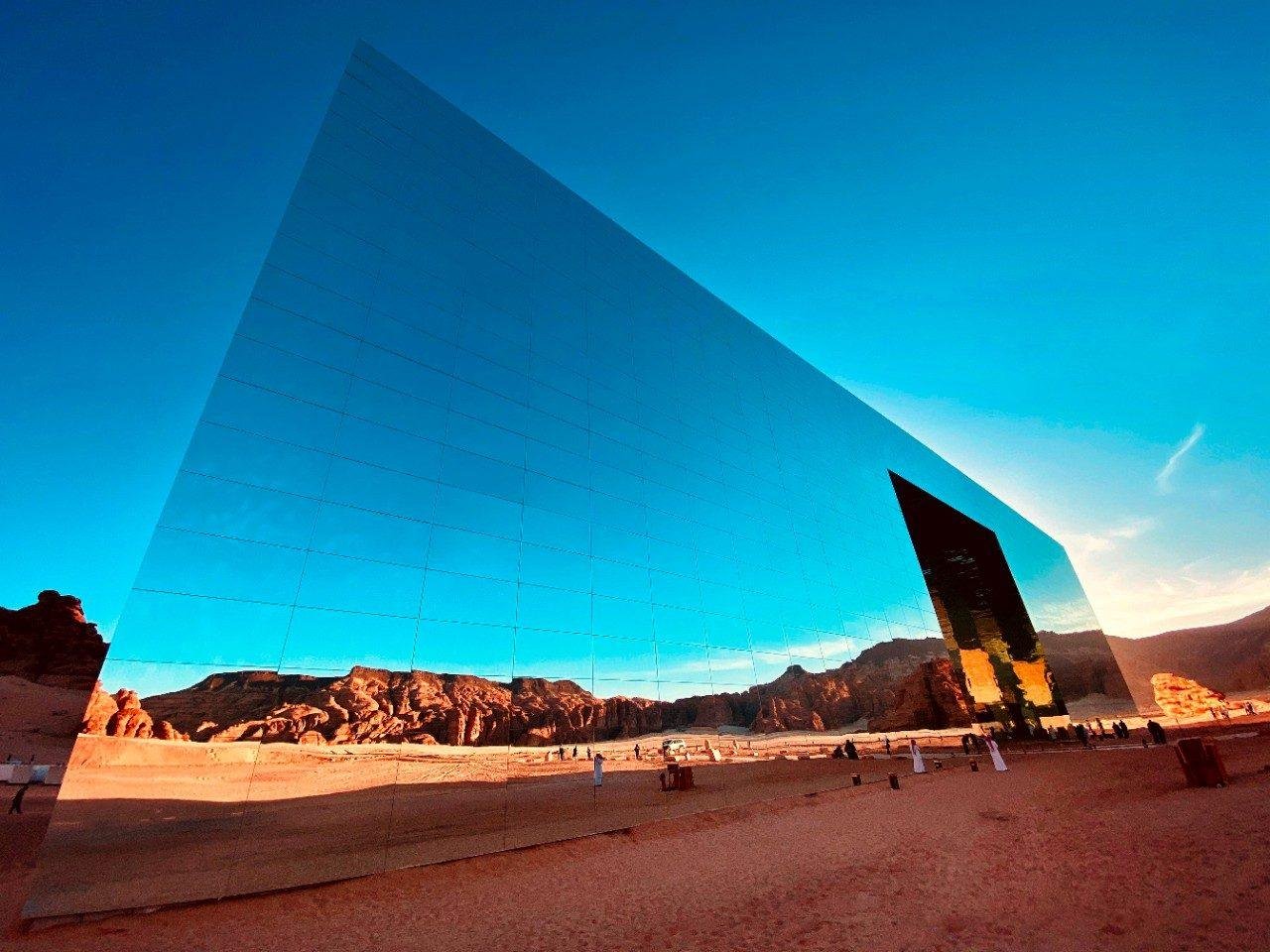
Table 2: Guardian UltraMirror™ Copper Coating vs Standard Exterior Mirror Glass: Performance Comparison
| Property | Standard Silver-Backed Exterior Mirror | Guardian UltraMirror™ with Copper Coating |
| UV Resistance | Degrades under sustained UV; silver layer oxidises to brown/grey | Copper barrier blocks the oxidation pathway; reflectivity is maintained |
| Sandstorm Abrasion | Surface pitting over time; no protective backing strategy | Tempered glass face; copper backing provides a secondary protection layer |
| Thermal Cycling Range | Rated for temperate climates; failure risk below −10°C and above 35°C sustained | Tested to AlUla diurnal range: approx. 5°C winter lows to 45°C+ summer highs |
| Outdoor Application Precedent | Conventional exterior silver mirrors not rated for continuous desert exposure | Purpose-developed for Maraya; first outdoor desert application at building scale |
| Joint Expansion Allowance | Standard expansion joints not calibrated for extreme diurnal temperature swings | Custom joint sizing modelled to AlUla thermal cycle; pre-resolved before installation |
| Reflective Lifespan | Degradation expected within 3–5 years in desert conditions | Designed for long-term outdoor performance; no published degradation timeline |
| Fabrication Location | Global supply chain typical | Manufactured locally in Saudi Arabia to eliminate long-distance transport risk on pre-tempered panels |
The Retractable Stage Wall: Automation at Desert Scale
The main performance space carries a 40 by 15 metre stage behind which a retractable wall of over 800 square metres opens the rear of the building to the Ashar Valley, extending performance onto the desert level outside. The automation system driving that wall operates under continuous sand infiltration and temperature-induced dimensional cycling at loads that standard stage machinery is not rated for. A dedicated structural engineering study of the stage rigging produced a hanging capacity rated for major international touring productions. Acoustic absorption coefficients, diffusion geometry, and reverberation time targets were resolved through interior material selection, meeting the concert hall engineering specification without compromising the 76-day programme.
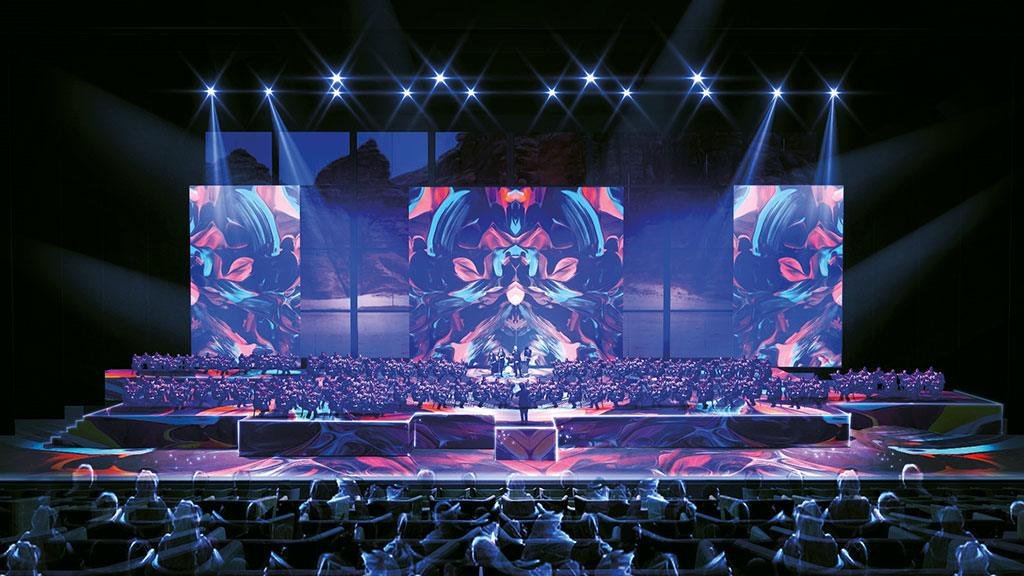
Table 3: Maraya Concert Hall Stage and Performance Technical Specifications
| Parameter | Specification | Industry Benchmark / Context |
| Stage Dimensions | 40 m × 15 m | Equivalent to a mid-size international opera stage; sufficient for full ballet and orchestral productions |
| Seating Capacity | 500 | Intimate by international standards; one of the most distinctive iconic buildings in Saudi Arabia at this scale |
| Retractable Rear Wall | 800+ sq m; full-width automated opening | No comparable retractable desert integration at this scale globally |
| Stage Hanging Capacity | Rated for major touring production rigging loads | Meets OISTAT Class A Classification criteria for touring set infrastructure |
| Acoustic Specification | Absorption coefficients and reverberation time tuned to the concert hall standard | Interior material selection aligned to ISO 3382-1 room acoustic measurement framework |
| In-/Outdoor Configuration | The interior stage extends to the desert level when the rear wall opens | Unique configuration in the Middle East and North Africa region |
| Automation Environment Rating | Bespoke drive and seal systems rated for sand infiltration and 40°C+ temperatures | Standard stage machinery not rated for these conditions; custom specification required |
| Building Programme Levels | 3 storeys: auditorium, conference centre, exhibition space, restaurant, roof terrace | Full-use cultural venue; not limited to single-performance fun |
Further Reading: Harbin Opera House: Stunning Organic Architecture Built for China’s Extreme Climate
AlUla Construction Projects in Context: Desert Architecture at Scale
Maraya Concert Hall was the first completed project under a master plan aiming to attract 2 million visitors to AlUla by 2035. The Royal Commission for AlUla’s Journey Through Time framework positions the county as a managed heritage region rather than a conventional tourism development. As a desert architecture project and the first outdoor mirror-clad building in Saudi Arabia at this scale, Maraya set the benchmark for every subsequent AlUla construction project.
The same Giò Forma and Black Engineering team moved directly on to AlUla Airport. The principle established at Maraya, enhancing rather than competing with the surrounding terrain, now carries into each of those AlUla construction projects as a design standard.
That principle produces markedly different outcomes from those of other iconic buildings in Saudi Arabia, which address scale in different ways. The Riyadh Metro, spanning 176 kilometres with stations by Zaha Hadid Architects and Foster + Partners, pursues integration through urban density; Maraya achieves the opposite through optical absence. The Sydney Opera House took fourteen years and cost fourteen times its original budget; Maraya’s 76-day delivery is the most instructive scheduling counterpoint among iconic buildings in Saudi Arabia and globally. The mirror-clad architecture in Saudi Arabia that Maraya proved viable now underpins proposals on a far larger scale, including The LINE at NEOM, and the desert architecture projects that followed it carry its engineering methodology directly.
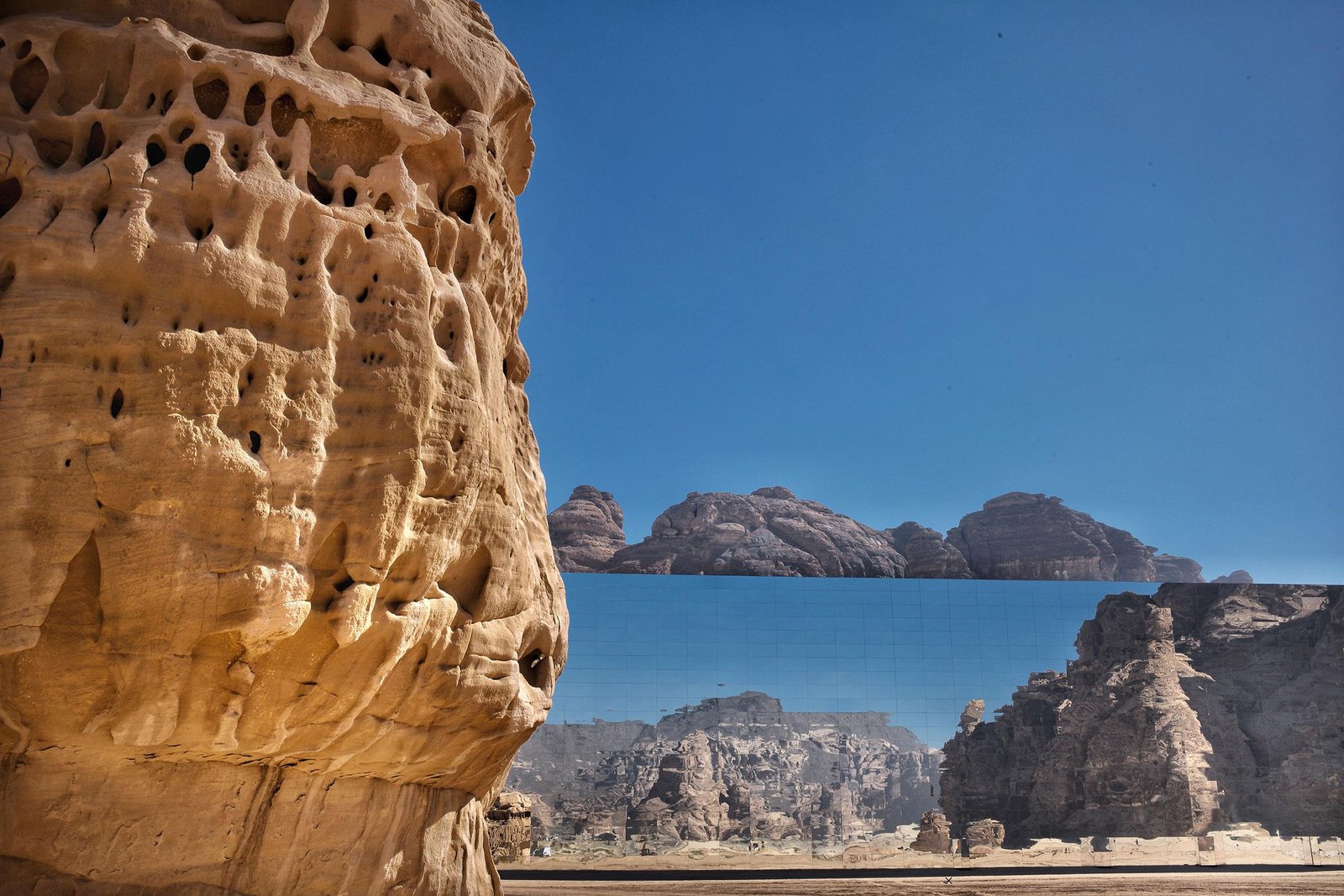
Table 4: Selected AlUla Construction Projects Under the Journey Through Time Masterplan
| Project | Type | Status (as of 2024) | Key Feature | Design / Engineering Lead |
| Maraya Concert Hall | Cultural venue | Operational since Dec 2019 | World’s largest mirror-clad building; benchmark for desert architecture projects globally | Giò Forma / Black Engineering |
| AlUla Airport Expansion | Transport infrastructure | Completed 2021 | New international terminal serving cultural tourism influx | Giò Forma / Black Engineering |
| Hegra Archaeological Site | Heritage infrastructure | Phased opening from 2020 | First UNESCO World Heritage Site in Saudi Arabia; visitor infrastructure | RCU / multiple consultants |
| Dadan Archaeological Site | Heritage and tourism | Opening phases from 2023 | Ancient Dadanite capital; cliff-face tomb access infrastructure | RCU-led |
| Sharaan Nature Reserve | Eco-resort / conservation | In development | Jean Nouvel-designed resort carved into sandstone canyon | Ateliers Jean Nouvel |
| Winter at Tantora Festival Infrastructure | Temporary event infrastructure | Annual (Dec–Mar) | Seasonal cultural programme requiring dedicated logistics and staging | RCU / event partners |
| AlUla Old Town Regeneration | Urban conservation | Phased completion | 13th-century mud-brick city; conservation-led adaptive reuse | RCU |
The Mirror-Clad Building in Saudi Arabia: Cultural and Commercial Significance
Maraya Concert Hall did not just deliver a venue: it delivered a signal. Saudi Arabia’s Vision 2030 programme, overseen by the Public Investment Fund and targeting an asset base exceeding $1 trillion by 2030, treats cultural infrastructure as a direct driver of tourism revenue and FDI. AlUla targets 2 million annual visitors and SR120 billion in cumulative economic contribution by 2035. Maraya Concert Hall sits at the top of that demand-generation chain: bookings for Alicia Keys, John Legend, Enrique Iglesias, Andrea Bocelli, and Yanni generate international media coverage that no marketing budget can replicate.
The 2020 AIA Middle East Design Award (Merit) and the Guinness World Record for the largest mirror-clad building formalise its status as a reference. Giò Forma and Guardian Glass entered those competitions knowing the engineering behind Maraya Concert Hall needed external validation to function as a benchmark. Both awards followed, confirming its position among iconic buildings in Saudi Arabia alongside structures with construction programmes measured in decades, not days.
Benchmarking Against Global Concert Hall Engineering
Concert hall engineering imposes competing acoustic, structural, mechanical, and thermal specifications simultaneously. The engineering behind Maraya Concert Hall met every concert hall engineering requirement inside a window that conventional programmes classify as unworkable, making it the most instructive scheduling case study for AlUla construction projects and comparable cultural infrastructure.
The Harbin Opera House deployed concert hall engineering across a multi-year programme with complex organic geometry. Maraya imposed the opposite discipline: all complexity was resolved within the steel frame and panel system before site work began. The Dubai Opera House, served by established metropolitan infrastructure, confirms a third model: Maraya’s remote site required every logistical variable to be settled before the programme clock started.
Further Reading: Dubai Opera House: Spectacular Structural and Acoustic Engineering in a Desert Megacity
How Maraya Concert Hall Was Built in the Desert: Logistics and Challenges
Understanding how Maraya Concert Hall was built in the desert requires separating the engineering problem from the logistics problem, since both were equally severe and neither could be resolved independently. The engineering team developed materials and systems with no direct precedent; the logistics team delivered those materials to a site 1,100 kilometres from Riyadh across a supply chain that did not exist at project scale. As the first mirror-clad building in Saudi Arabia to operate at this scale outdoors, Maraya had no comparable project to draw on for procurement sequencing or workforce planning. Both tracks operated simultaneously under the same six-month constraint, with no recovery time if either fell behind.
Supply Chain and Workforce Mobilisation
AlUla’s distance from major Saudi cities and the absence of a construction-grade supply chain in the region meant that procurement, fabrication, and deployment required purpose-built coordination. Guardian Glass manufactured the 3,000 mirror panels locally: pre-tempered glass cannot be re-cut on site, so every panel had to arrive at exact, confirmed dimensions. Any breakage or dimensional error would introduce delays that the programme could not absorb, making local fabrication both a logistics and a quality decision for this AlUla construction project.
Building Maraya Concert Hall in the desert also required managing climate constraints directly. Summer temperatures in the Ashar Valley exceed 40°C; the round-the-clock shift pattern distributed labour across cooler night hours to sustain the output rate the timeline demanded.
Thermal Engineering of the Façade
Conventional silver-backed mirror glass oxidises under sustained UV exposure, shifting from reflective silver to brown or grey tones that destroy the optical effect. The copper backing introduced by Guardian Glass created a corrosion barrier between the reflective layer and the external environment, addressing the primary failure mode.
Panel expansion under thermal load required joint systems calibrated to accommodate movement without visible discontinuities at panel edges. Engineers modelled expansion coefficients through the full diurnal temperature cycle, from overnight lows approaching 5°C in winter to daytime highs above 40°C in summer, confirming joint dimensions before installation. That pre-resolution is central to understanding how Maraya Concert Hall was built in the desert: every variable that could not be corrected on-site had to be resolved in advance because there was no iteration cycle during the 76 days.
Table 5: AlUla Desert Climate Conditions vs Maraya Concert Hall Façade Design Thresholds
| Climate Parameter | AlUla Recorded Range | Design Response at Maraya |
| Summer Daytime High | Up to 45°C (July–August) | Copper-coated panels rated beyond this threshold; joints sized for maximum thermal expansion |
| Winter Night Low | Approx. 5°C (December–January) | Thermal contraction modelled; joint gaps confirmed adequate for full contraction cycle |
| Diurnal Temperature Swing | Up to 25°C differential within 24 hours | Full diurnal cycle modelled for panel expansion coefficients; joints resolve both extremes |
| Annual UV Index | 10–12 (extreme category) | Copper backing specifically addresses UV-driven oxidation as the primary failure mode; a key constraint in all mirror-clad architecture in Saudi Arabia |
| Sandstorm Frequency | Periodic: spring and summer peaks | Tempered glass face; stage automation system uses bespoke sand-resistant drive seals |
| Annual Rainfall | Below 50 mm | Low moisture risk; humidity management secondary to UV and heat in façade specification |
| Prevailing Wind Direction | North-northwest; channelled by canyon topography | Façade geometry accounts for wind-induced vibration load on the cladding panel array |
| Altitude | Approx. 900 m above sea level | Higher UV intensity at altitude; copper coating performance envelope confirmed for elevation |
The Architectural Design of Maraya Concert Hall in AlUla: Geometry and Intent
The architectural design of Maraya Concert Hall in AlUla rests on a single resolved position: the canyon is the architecture, and the building serves as its instrument. Every formal and material decision follows from that position. The cuboid form, the mirror cladding, the façade curvature, and the interior material palette are not independent choices; they are sequential consequences of one stated principle.
Florian Boje described the result as a mirror box. The form carries no ornament, no historical reference, no articulation: a pure geometric volume in reflective glass placed within wind-carved amber sandstone, its authority derived entirely from the precision of placement. The architectural design of Maraya Concert Hall in AlUla is therefore inseparable from its engineering; the design intent is the engineering specification.
The Ashar Valley’s formations, shaped by aeolian erosion into towers and arches that geologists classify within the broader Hejaz escarpment geology, constitute a visual field that no designed building surpasses. Reflecting that terrain across four simultaneous faces, each subtly curved to introduce atmospheric distortion at distance, removes the building from visual competition entirely. Interior materials extend the same logic inward: stone textures, natural colour palettes referencing the AlUla geological environment, and the 800-square-metre rear wall create a spatial continuity that makes the building the most consequential mirror-clad building in Saudi Arabia, not for its scale, but for the rigour with which its form serves its site.
As mirror-clad architecture in Saudi Arabia matures toward larger proposed applications, Maraya’s façade methodology remains the only outdoor proof-of-concept at building scale in the region. Placed alongside other site-responsive cultural buildings, including the Intercontinental Shanghai Wonderland Hotel, which descends into a quarry rather than rising above it, Maraya occupies one end of a spectrum where the most consequential interventions transform their sites by making them more visible.
Technical Analysis: Materials, Systems, and Performance
The three principal technical systems at Maraya Concert Hall, the copper-coated mirror façade, the structural steel frame, and the automated stage wall, each addressed a problem without an existing solution at project inception. The architectural design of Maraya Concert Hall in AlUla required all three to converge within a 76-day construction window on a remote site, supported by a purpose-built supply chain. Each system resolved differently under that pressure.
1. Guardian UltraMirror™ with Copper Coating
The Guardian UltraMirror™ product adapted for Maraya began as a high-durability interior mirror formulation and was converted to an exterior cladding product through a copper backing layer that created a corrosion barrier against UV radiation, sandstorm abrasion, and temperature extremes. The result demonstrated that mirror-clad architecture in Saudi Arabia is technically viable outdoors at building scale: a specification with direct implications for subsequent desert architecture projects proposing mirrored exteriors, including The LINE at NEOM.
2. Structural Steel System
Steel delivered a low foundation-load impact on the archaeologically sensitive site and an assembly speed sufficient for the 72-day construction window. The Steel Construction Institute’s guidance on pre-fabricated frame erection confirms that a steel structure of Maraya’s dimensions can reach structural completion within weeks when pre-fabrication tolerances are maintained. Concrete alternatives would have required a minimum 28-day curing cycle per level, making the steel frame the only viable system for this AlUla construction project.
3. Stage Engineering
The 40 x 15 metre stage and the 800-square-metre retractable wall define Maraya as an international performance venue. The International Organisation of Scenographers, Theatre Architects and Technicians (OISTAT) classify stage machinery by load capacity and automation response time; Maraya’s hanging capacity places it within the specification range for major touring productions in opera, ballet, and large-format concerts. The retractable wall automation operates under desert sand and thermal conditions that standard stage machinery is not rated for, requiring bespoke drive and sealing specifications developed for this installation alone.
Conclusion: What the Mirror-Clad Maraya Proves
The engineering behind Maraya Concert Hall demonstrates that concert hall construction can operate under constraints that conventional project frameworks classify as prohibitive and still produce a result that holds its position against buildings delivered over multi-year programmes. The copper mirror façade, the steel frame, and the automated stage wall each resolved problems for which no precedent existed. Together, they established the methodology for building Maraya Concert Hall in the desert, confirmed the viability of mirror-clad architecture in Saudi Arabia at an outdoor scale, and made the architectural design of Maraya Concert Hall in AlUla a construction record as much as an architectural one.
The cultural return compounds the engineering case. AlUla now attracts international performers and sustains the global media coverage needed to support its 2035 targets. For every professional assessing desert architecture projects, tracking AlUla construction projects, or evaluating iconic buildings in Saudi Arabia against their delivery programmes, Maraya Concert Hall serves as the benchmark against which subsequent projects will be measured.
Discover Iconic Architecture and Megaproject Engineering
Explore Construction Frontier: Global Mega Projects for expert insights into landmark architecture, cultural megaprojects, and cutting-edge engineering transforming deserts, cities, and emerging markets worldwide.